



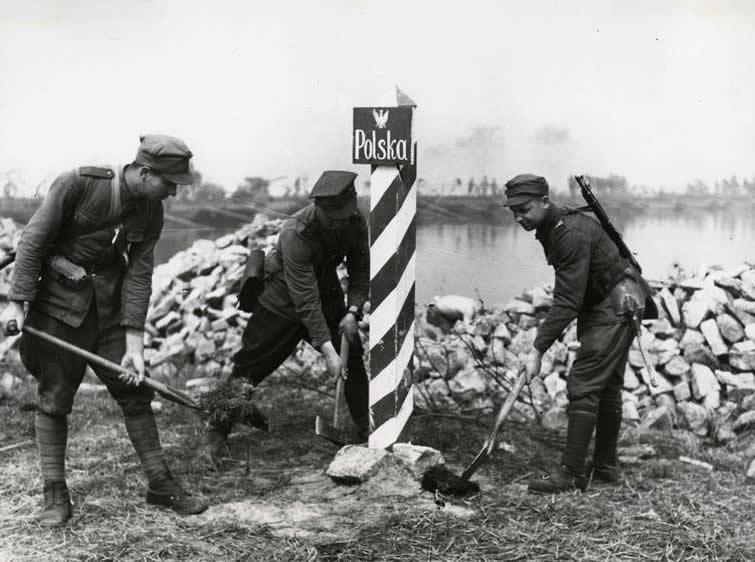
The last weeks of the World War Two in Europe. Last, but critical engagements, and at the same time, more victims. In the morning of 16 April 1945 the operation of crossing the Oder river started, in which soldiers of the First Polish Army took part. Among the Polish units the First Infantry Division was present, a division which one and a half year earlier had been sent to fight in the battle of Lenino. It consisted of Sybiraks, who from 1939 to 1941 had been sent to vast areas of the Soviet Union as deportees, prisoners of forced labour camps or forcefully incorpsed soldiers of the Red Army. Once treated as “the people’s enemies”, now they had to fight shoulder to shoulder with the Soviets. It was not an easy experience for them but they knew they had to endure it. They were going west and they fought with the thought of a free Poland and their own freedom in their minds, just like their brothers in arms, who fought their battles under the leadership of general Anders in Italy.
Crossing the Oder was a prelude to the final thrust of Berlin, which ended in capturing the city on 2 May 1945 and the capitulation of the Third Reich, which was finalised on 8 May.