


TIMELINE
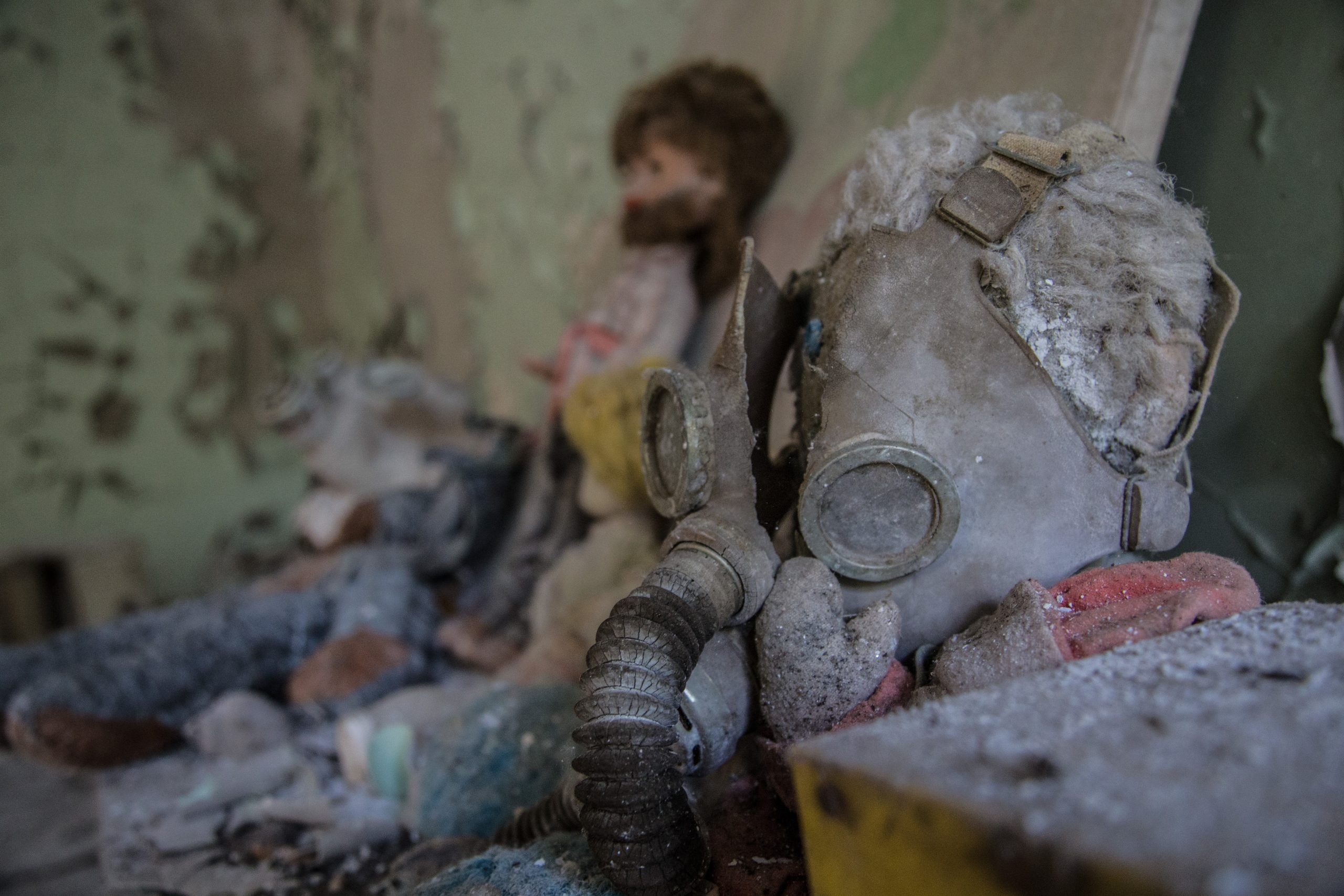
26.04.1986 – The Chernobyl Disaster – A Soviet Disgrace with Tragedy in the Background
The 1980s were the final years of the Soviet Union, and this was also a time of numerous changes and reshuffles among the Kremlin elite. In November 1982, the long‑time leader of the Soviet state, Leonid Brezhnev, died, and the post of General Secretary of the Central Committee of the Communist Pa
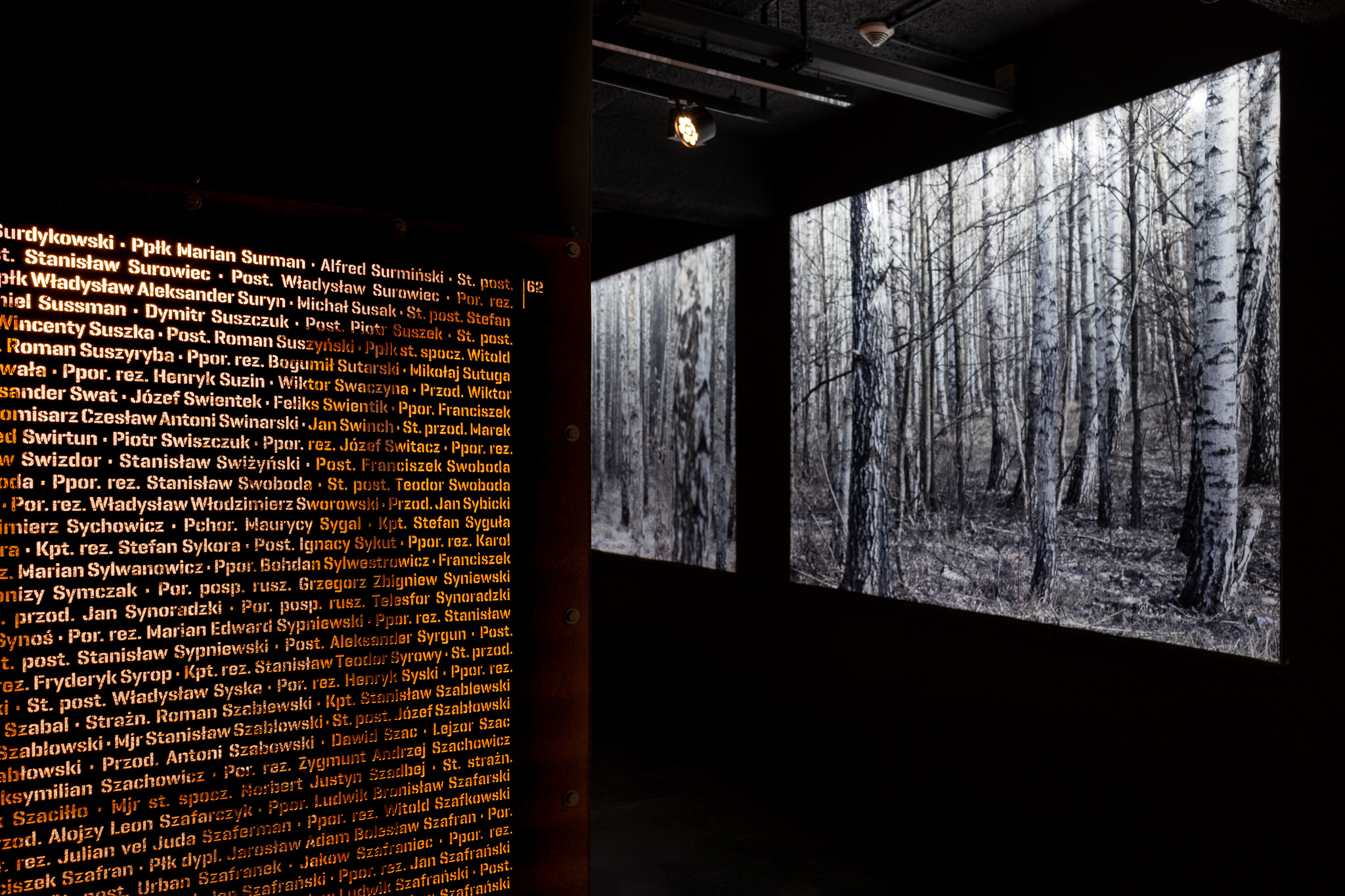
04.04.1940. Ostashkov – the last station
Speaking about the Katyn Massacre, we usually focus on the forest near Smolensk, close to the small village of Katyn. However, the prisoners from Kozielsk were not the only victims of this crime, and the forest near Smolensk is just one of many execution sites.

4.2.1945. Yalta Half-Truths
On February 4, 1945, a meeting between Roosevelt, Churchill, and Stalin began at the Livadia Palace on the outskirts of Yalta. Crimea, including the meeting venue, was completely destroyed. Because of this, everything necessary, including furniture, had been brought from Moscow.

17.1.1945 The “Liberation” of Warsaw: A “Ghost City”
This parade of victorious troops marching between two silent ranks of ghosts. They emerged like a silent audience, taking their places upon the grandstands of rubble and ruins lining the route of the troops of the “Warsaw Operation”. The ghosts of young men and women of the Home Army (AK), mingl

3.1.1619. Far, Far Beyond Smolensk: The Truce of Deulino
It is often said that, at its peak, the Polish-Lithuanian Commonwealth was a European empire spanning vast territories. This is, of course, true. However, one must bear in mind that this state existed across the 16th, 17th, and 18th centuries (and—if one considers earlier unions between Lithuania

26.12.1991. The Colossus with Feet of Clay: The Collapse of the Soviet Union
It may not have been a country that endured for ages—history has seen states that existed longer yet are scarcely remembered today. Nevertheless, during its 69-year existence (falling just four days short of seventy), the Soviet Union left an indelible mark on history like few others. Unfortunatel
