

Logo Muzeum Pamięci Sybiru w Białymstoku
Logo Centrum Mieroszewskiego
Logo Muzeum Pamięci Sybiru w Białymstoku
szukaj - search

Pokaż więcej wyników

Generic selectors
Exact matches only
Search in title
Search in content
Post Type Selectors
"><font style="vertical-align: inherit
Logo Muzeum Pamięci Sybiru w Białymstoku
Logo Centrum Mieroszewskiego
Logo Muzeum Pamięci Sybiru w Białymstoku
szukaj - search

Pokaż więcej wyników

Generic selectors
Exact matches only
Search in title
Search in content
Post Type Selectors
"><font style="vertical-align: inherit
Logo Muzeum Pamięci Sybiru w Białymstoku
Logo Centrum Mieroszewskiego
szukaj - search

Pokaż więcej wyników

Generic selectors
Exact matches only
Search in title
Search in content
Post Type Selectors
"><font style="vertical-align: inherit

TIMELINE

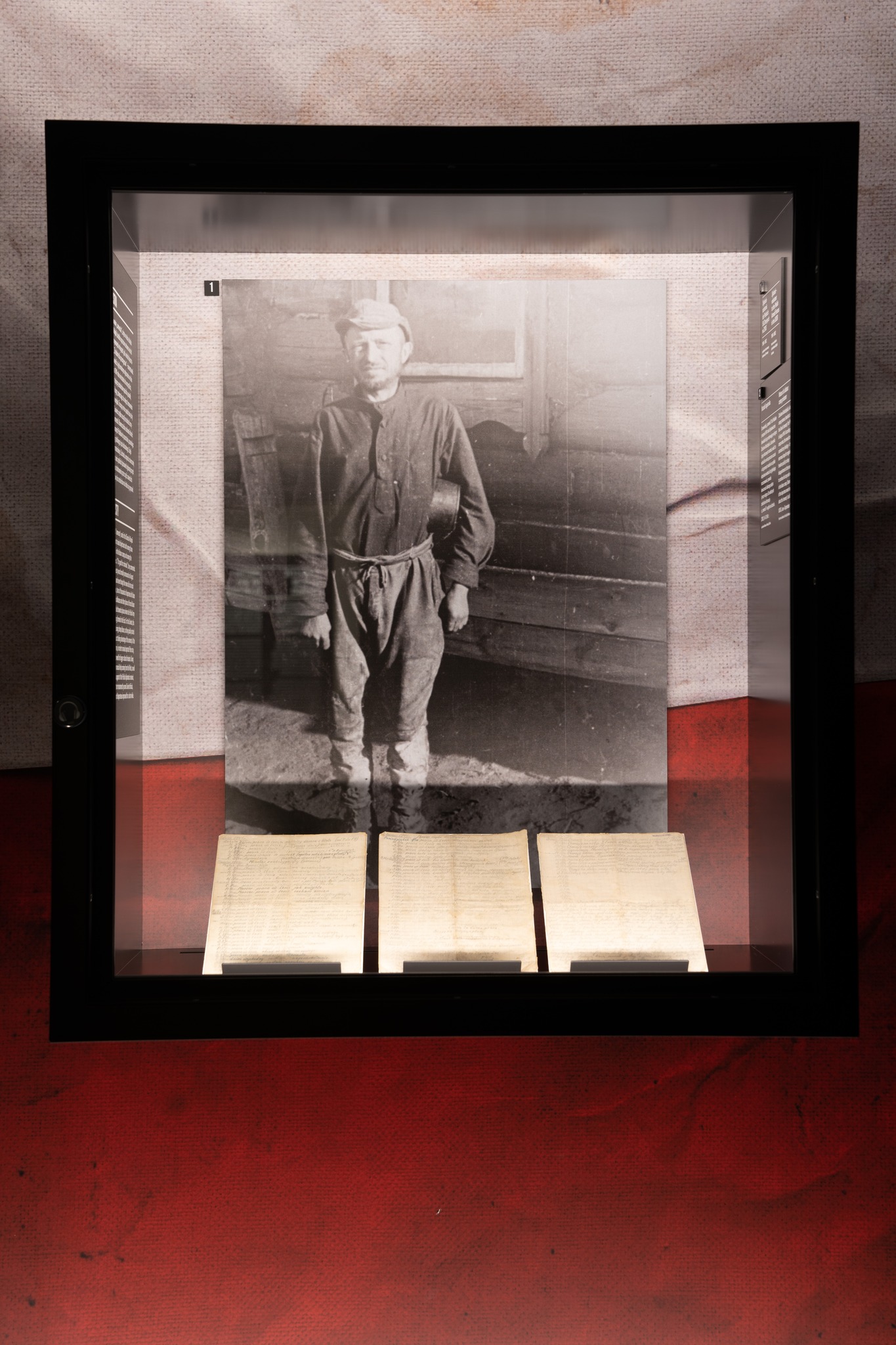
Na zdjęciu widać gablotę szklaną ze zdjęciem stojącego mężczyzny w zniszczonym ubraniu
12.08.1941 – The co-called amnesty
On August 12, 1941, the authorities of the Soviet Union gave "amnesty" to hundreds of thousands of Poles deported to Siberia.
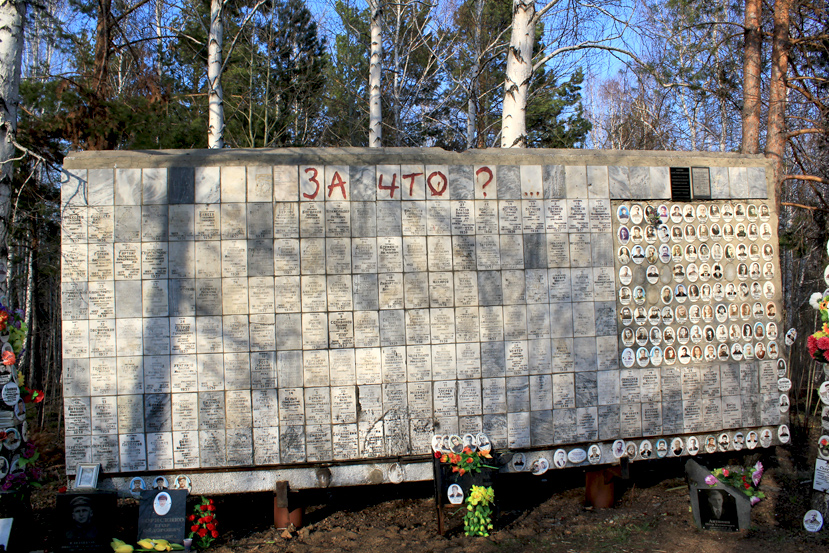
Na zdjęciu widac tablicę z nazwiskami i fotografiami nagrobnymi
11.08.1937 – They were killed for their origin – the “NKVD Anti-Polish Operation”
There was a time when large numbers of Poles in the Soviet Union lost their lives simply because of their origin and surname. One of the elements of the “Great Terror” unleashed by Stalin in 1937-1938 was the so-called “Polish Operation”, in which NKVD officers, on suspicion of espionage, mu