
Piotr Malczewski
Together with Witold Michałowski, the biographer of Ferdynand Ossendowski, we travelled in 2000 through the Uryankhai Krai (today’s Republic of Tuva), having as our “guide” the original diary of the great traveller.
Witold Michałowski and I met through Andrzej Strumiłło in 2000. Michałowski proposed that we go on a joint expedition to Tuva on the Russian–Mongolian borderland in the footsteps of the writer and traveller Ferdynand Antoni Ossendowski. At that time, all I knew about Tuva was what I had read in Ossendowski’s book Through the Country of People, Animals and Gods, published almost 100 years ago (translated into almost 30 languages to this day), and that the Republic of Tuva, then part of the USSR, was closed to foreigners until the 1990s.
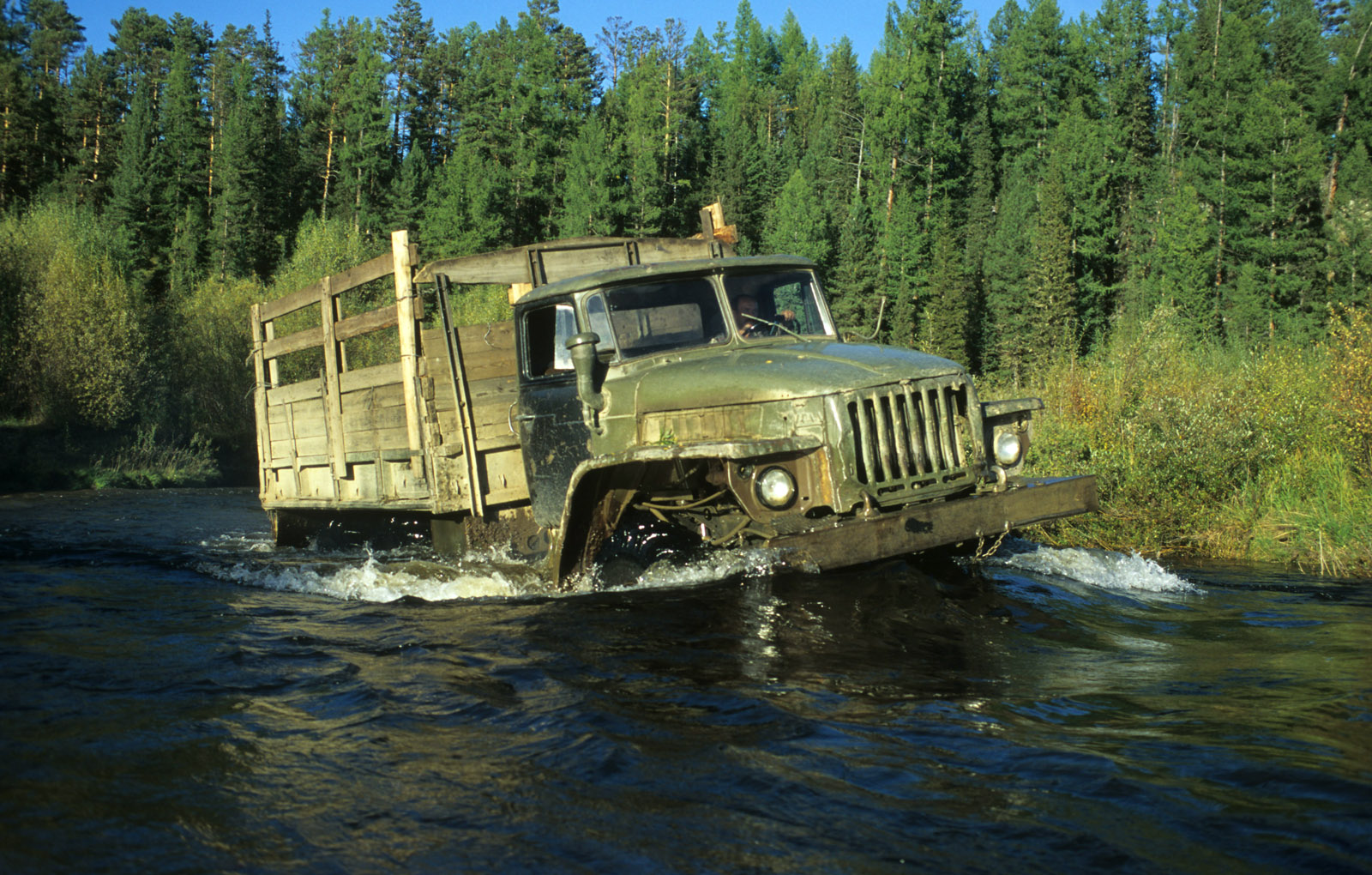
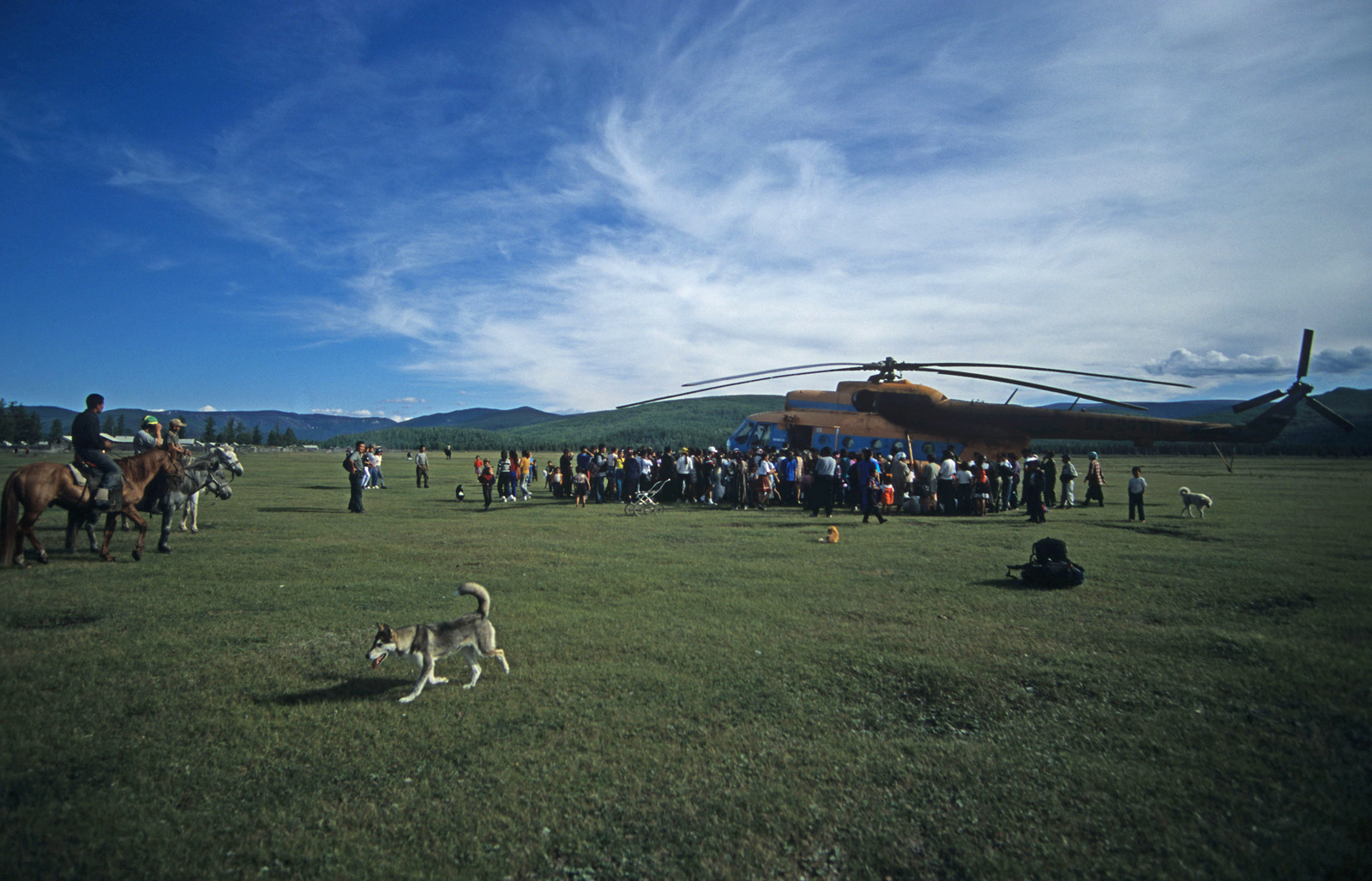
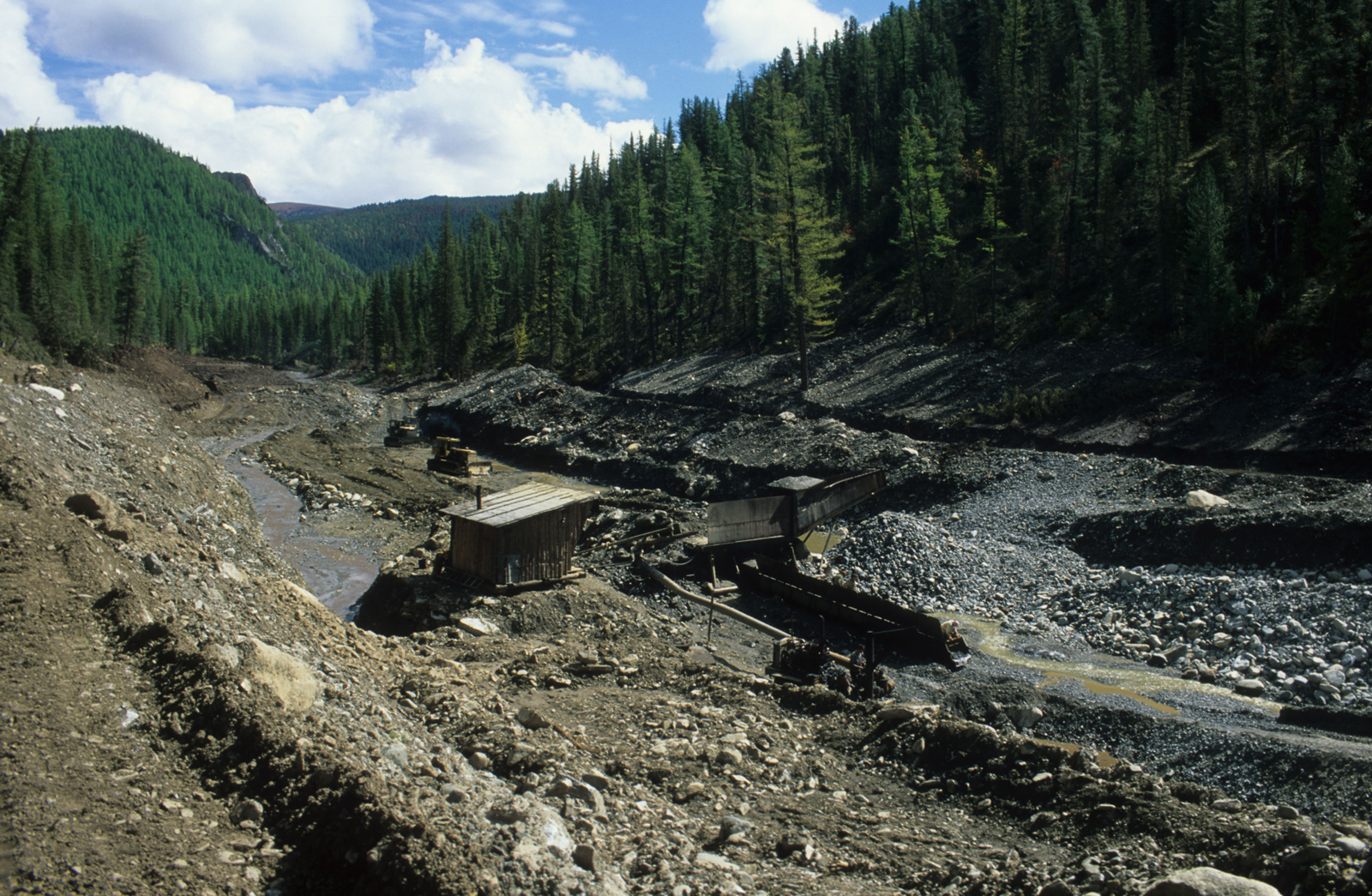
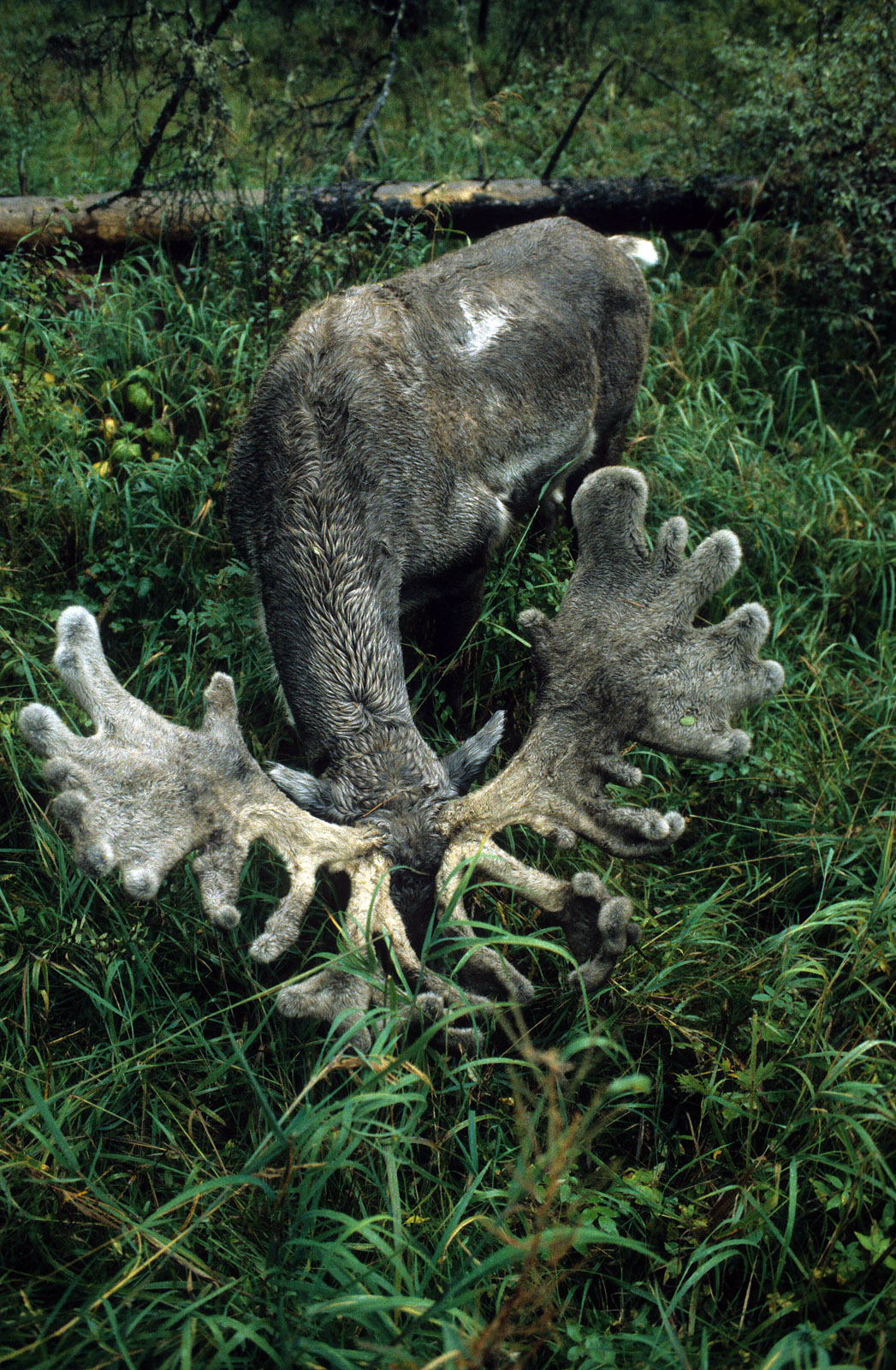
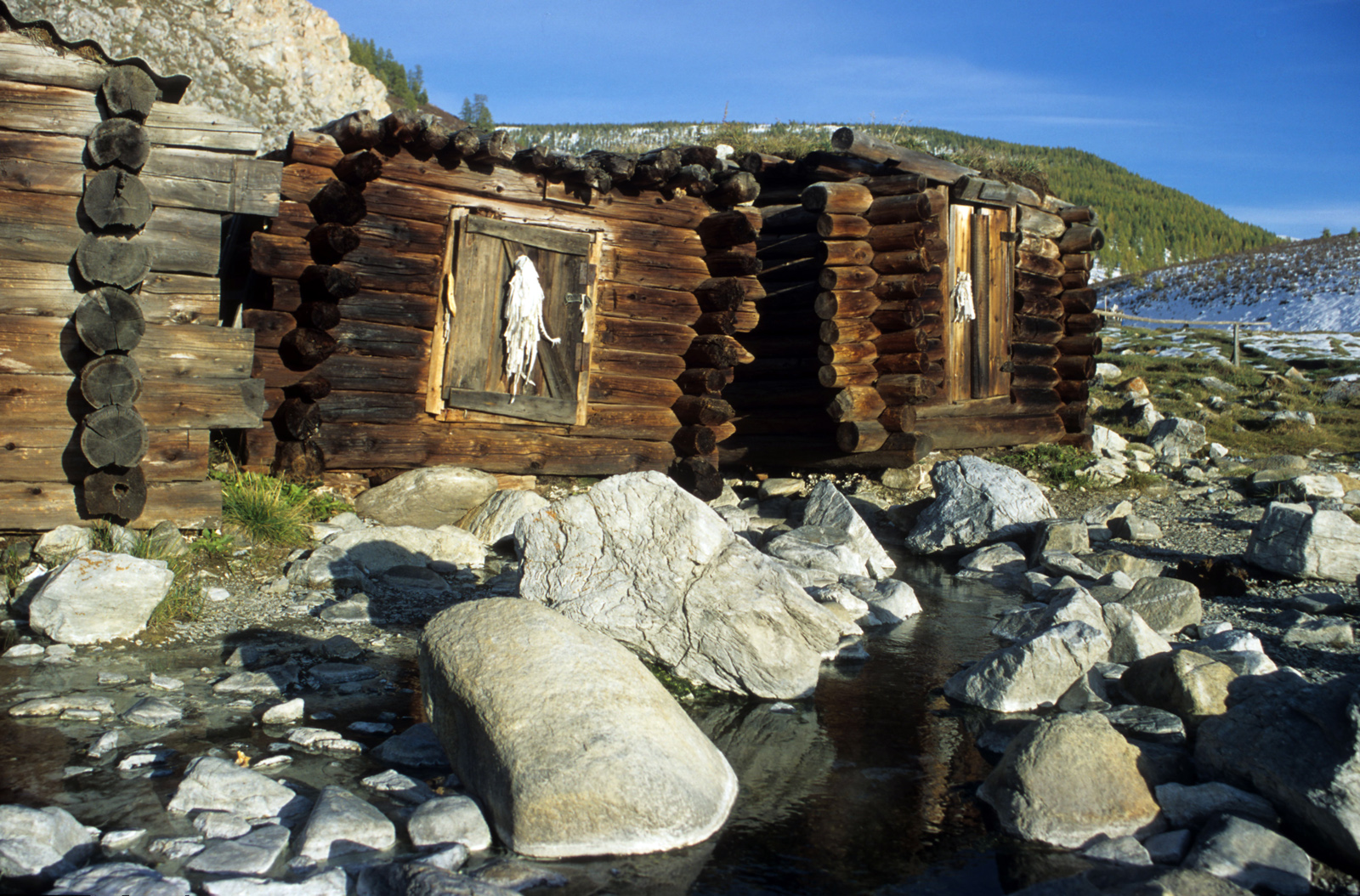
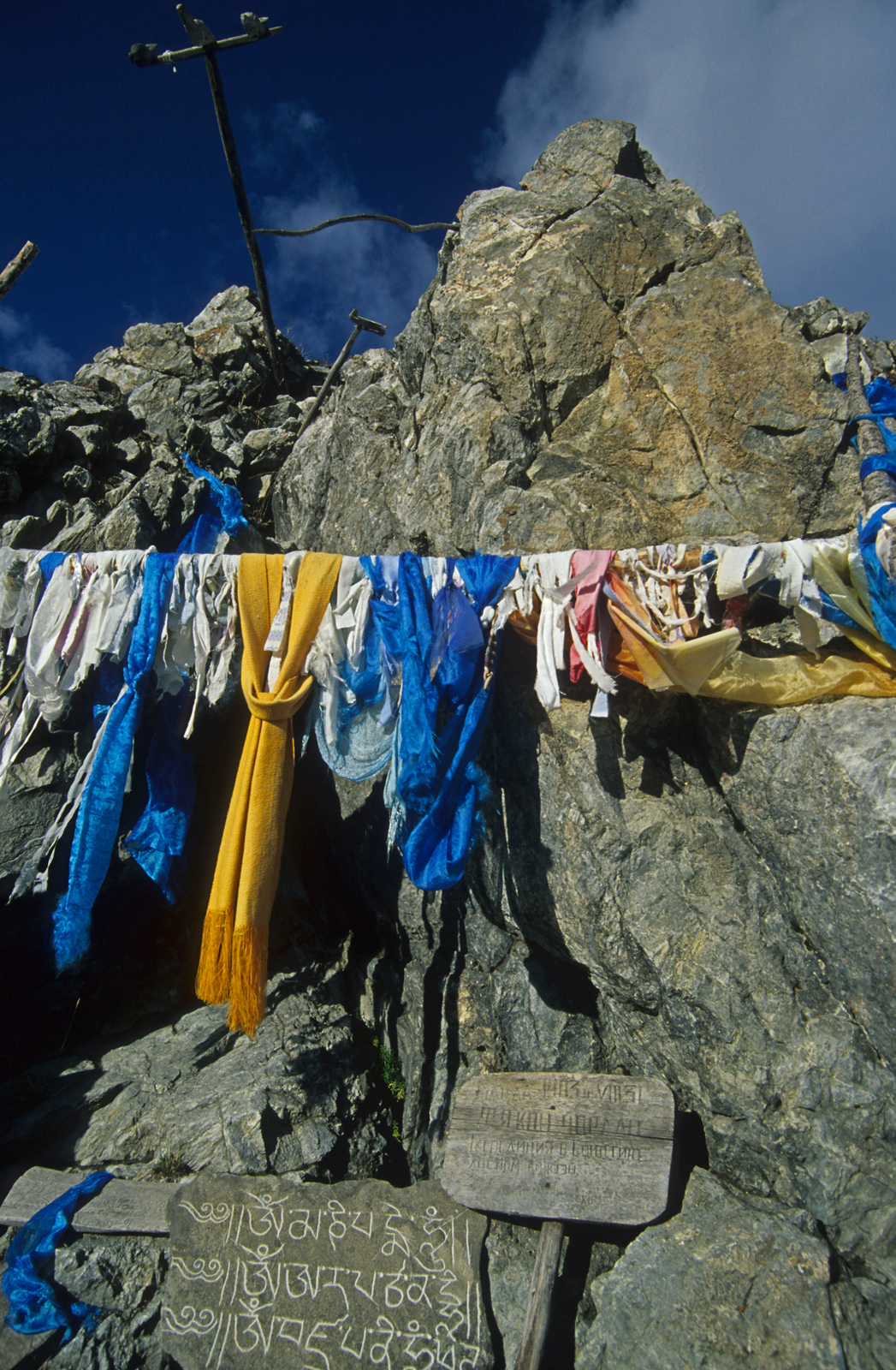
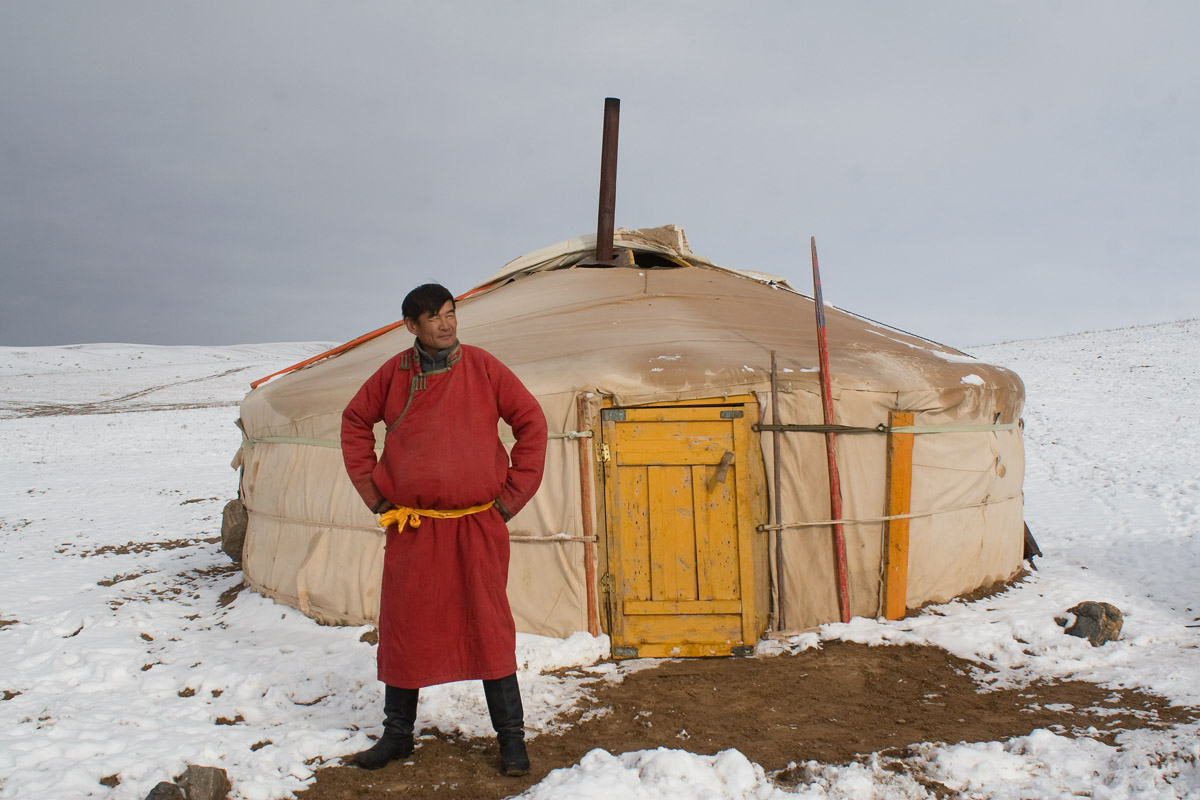
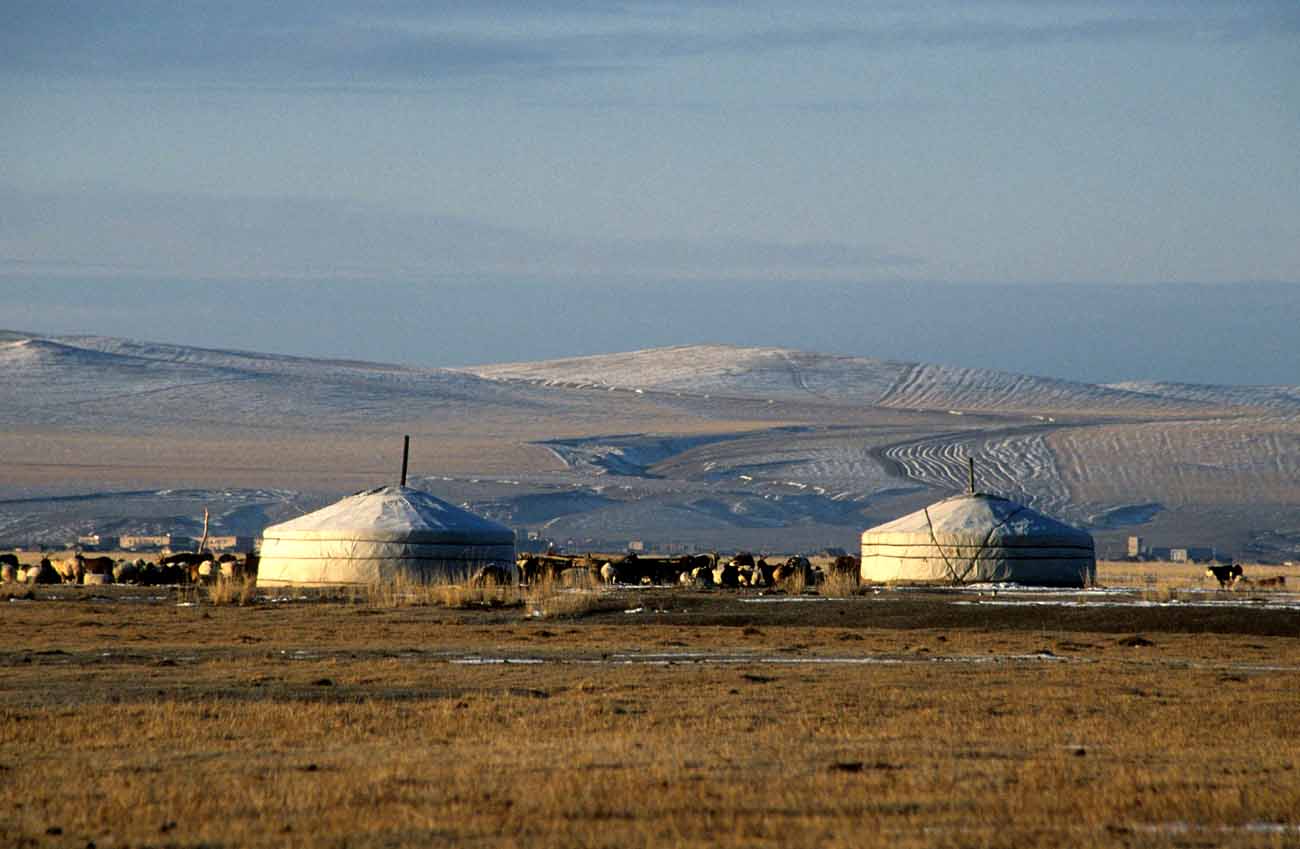
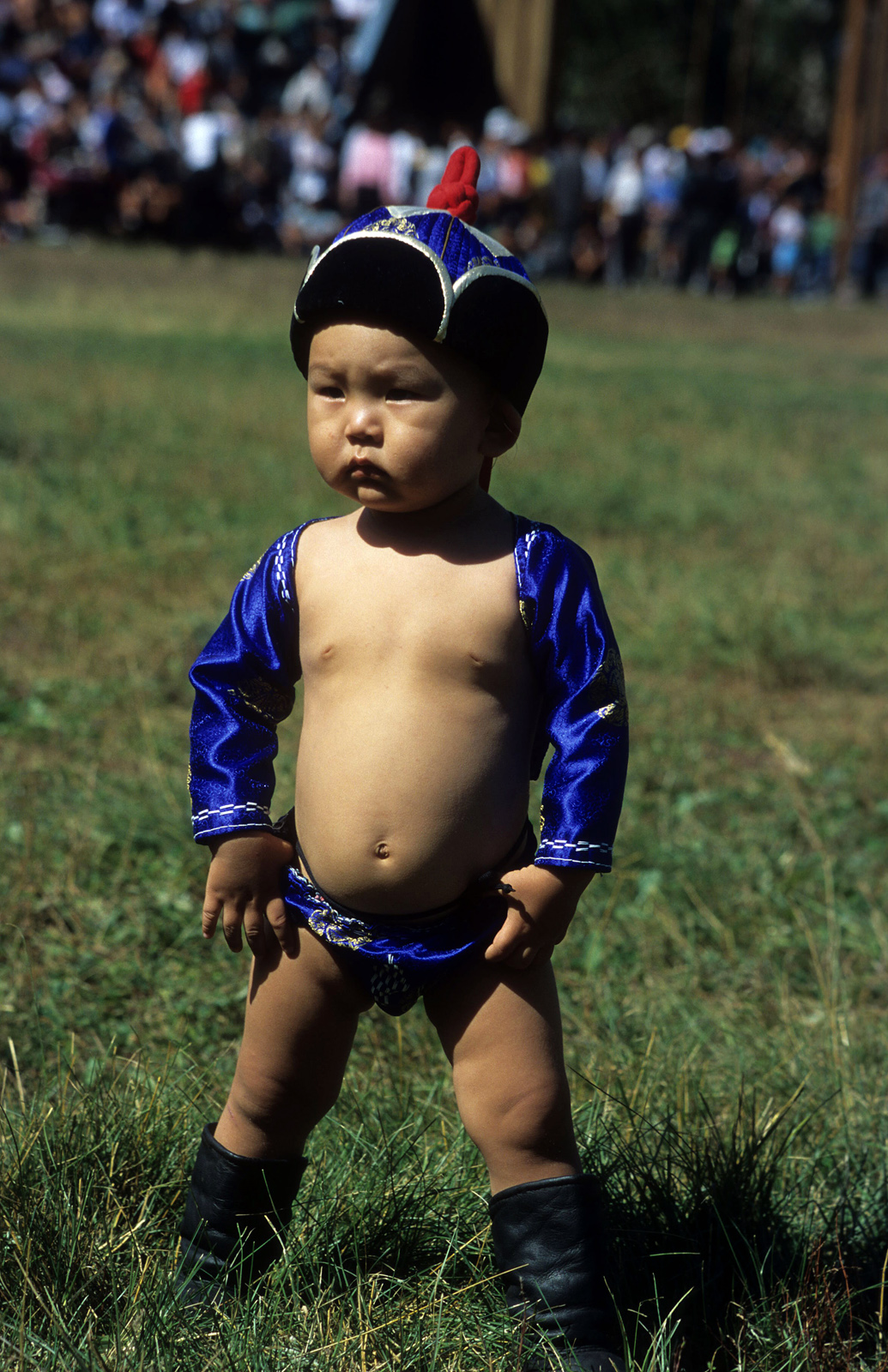
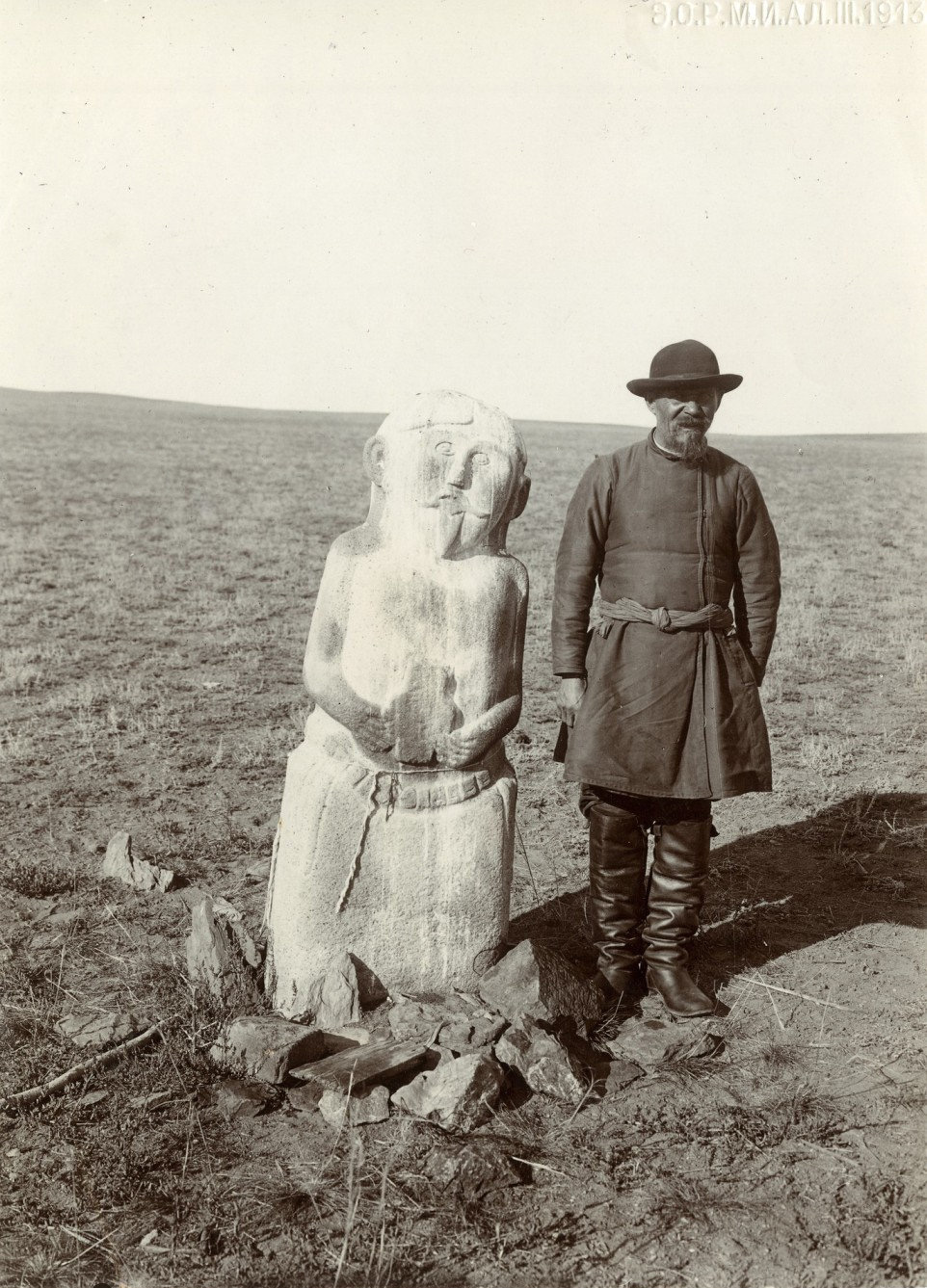
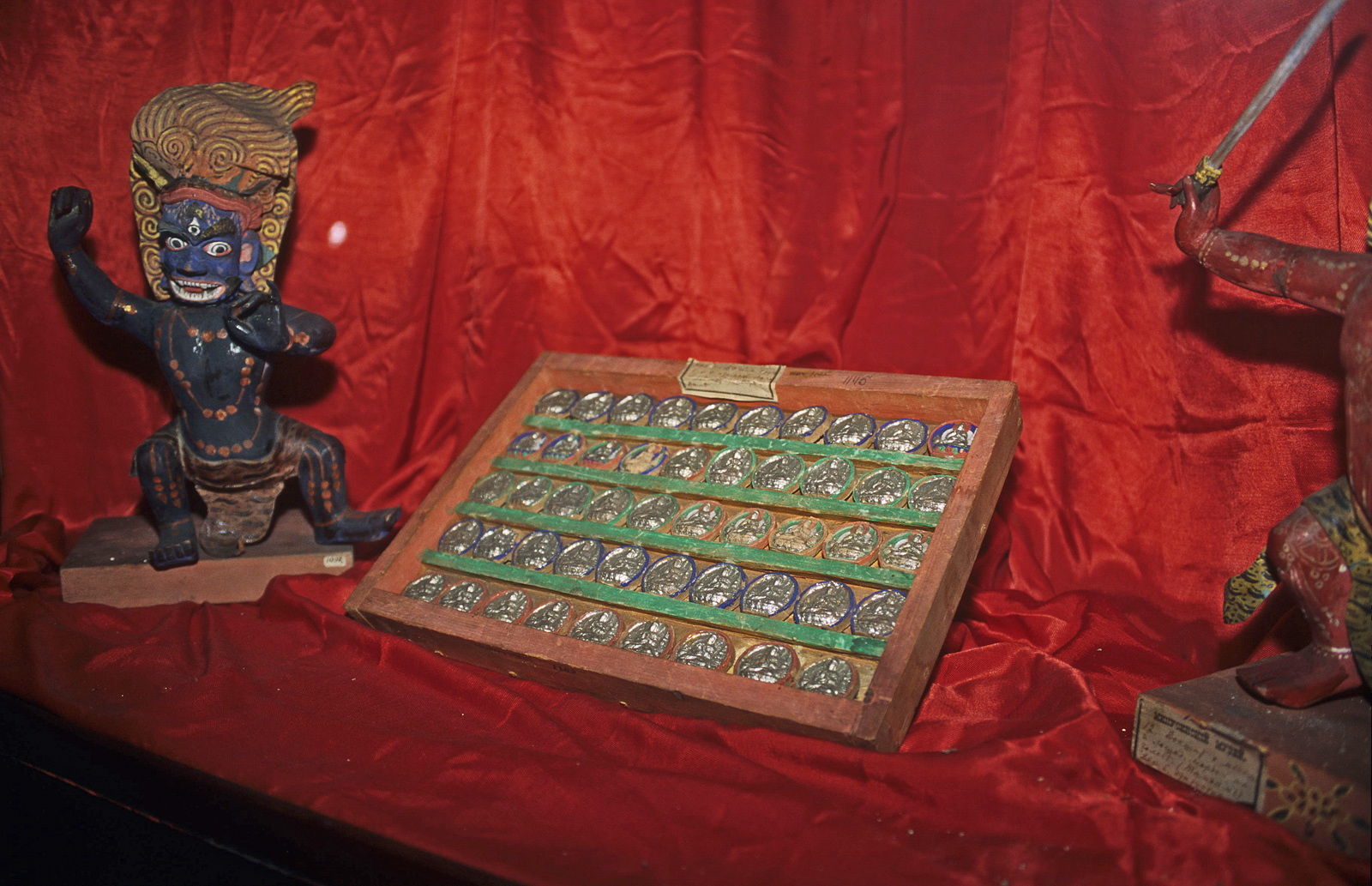
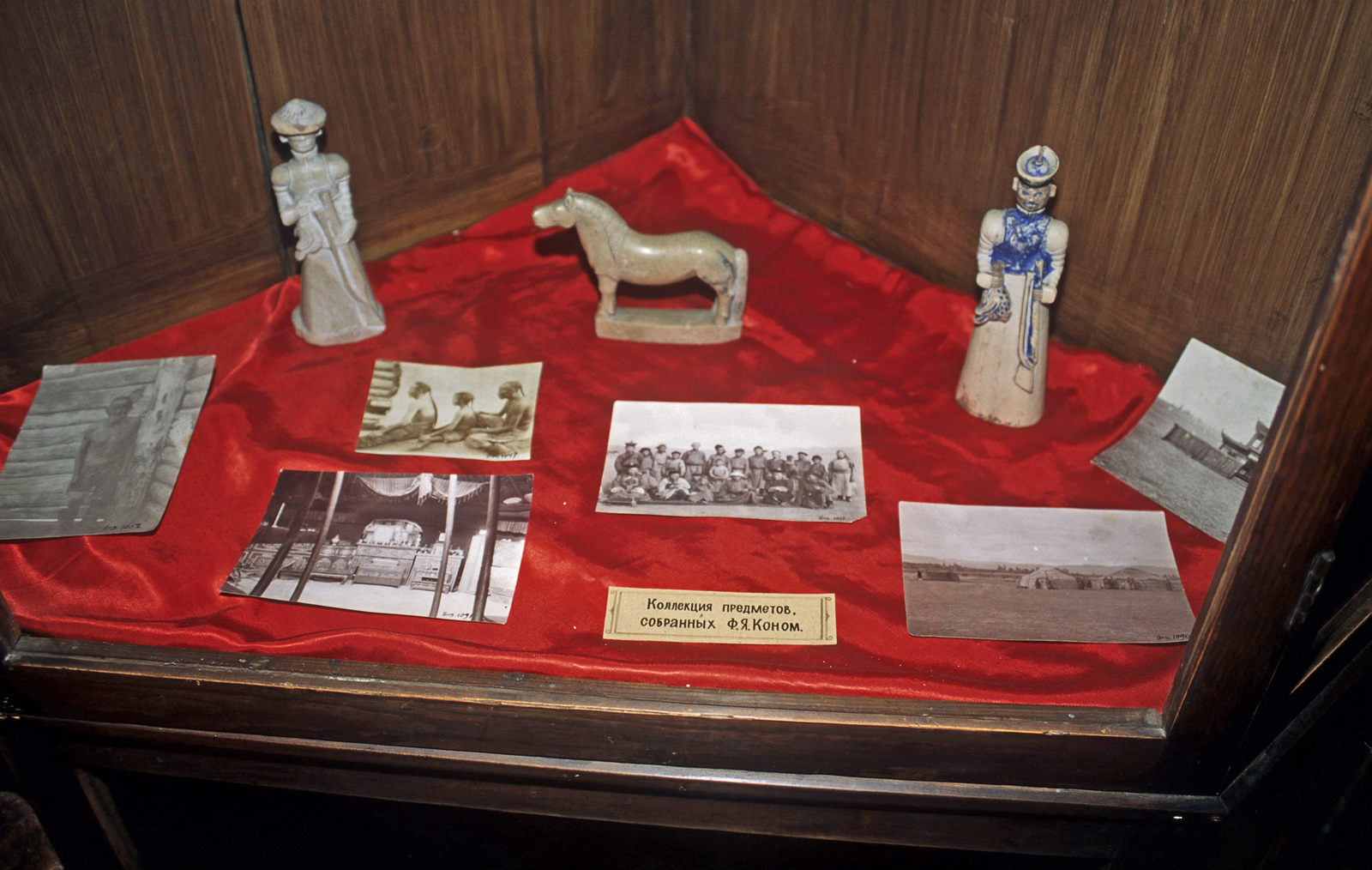
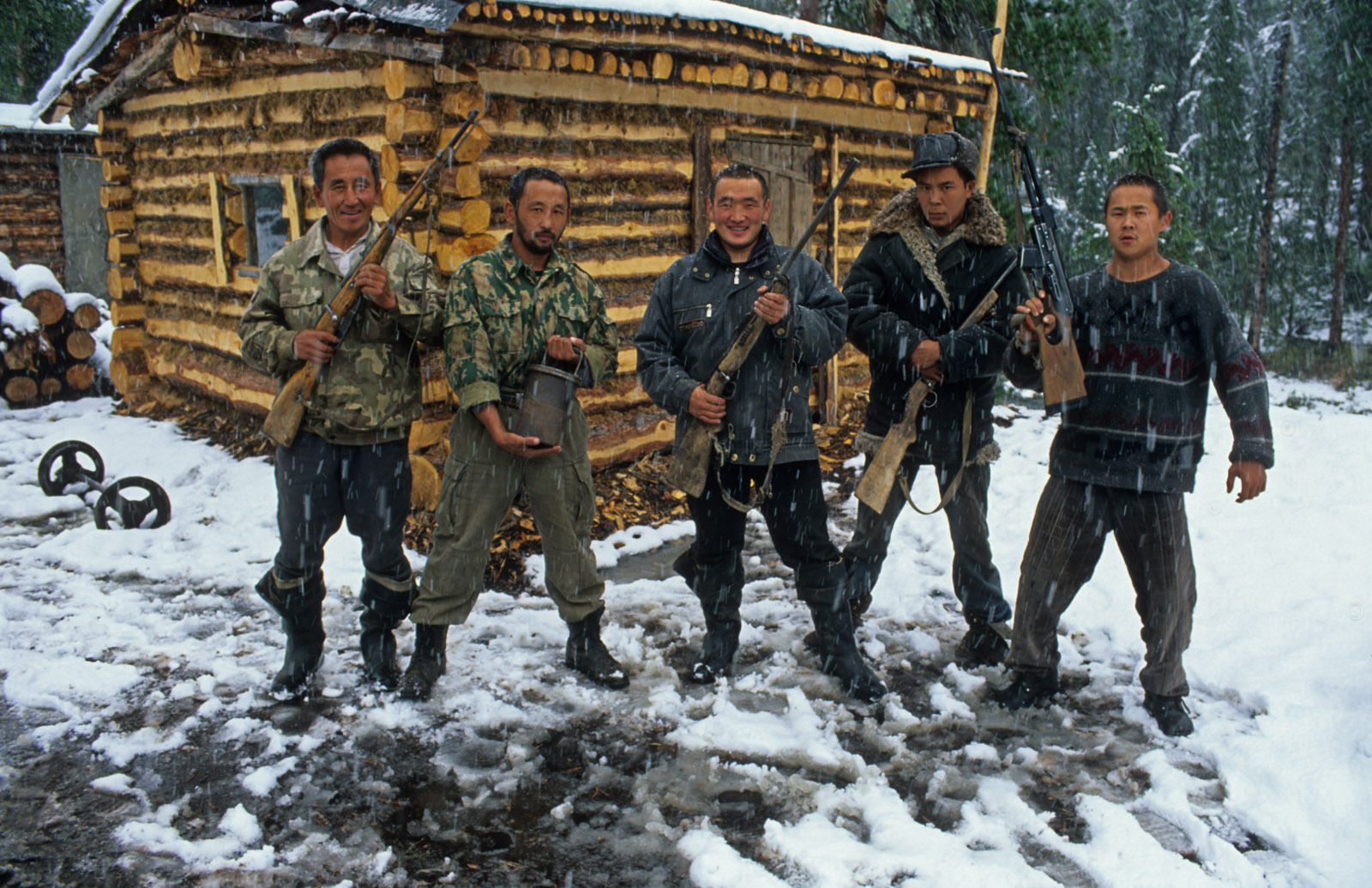
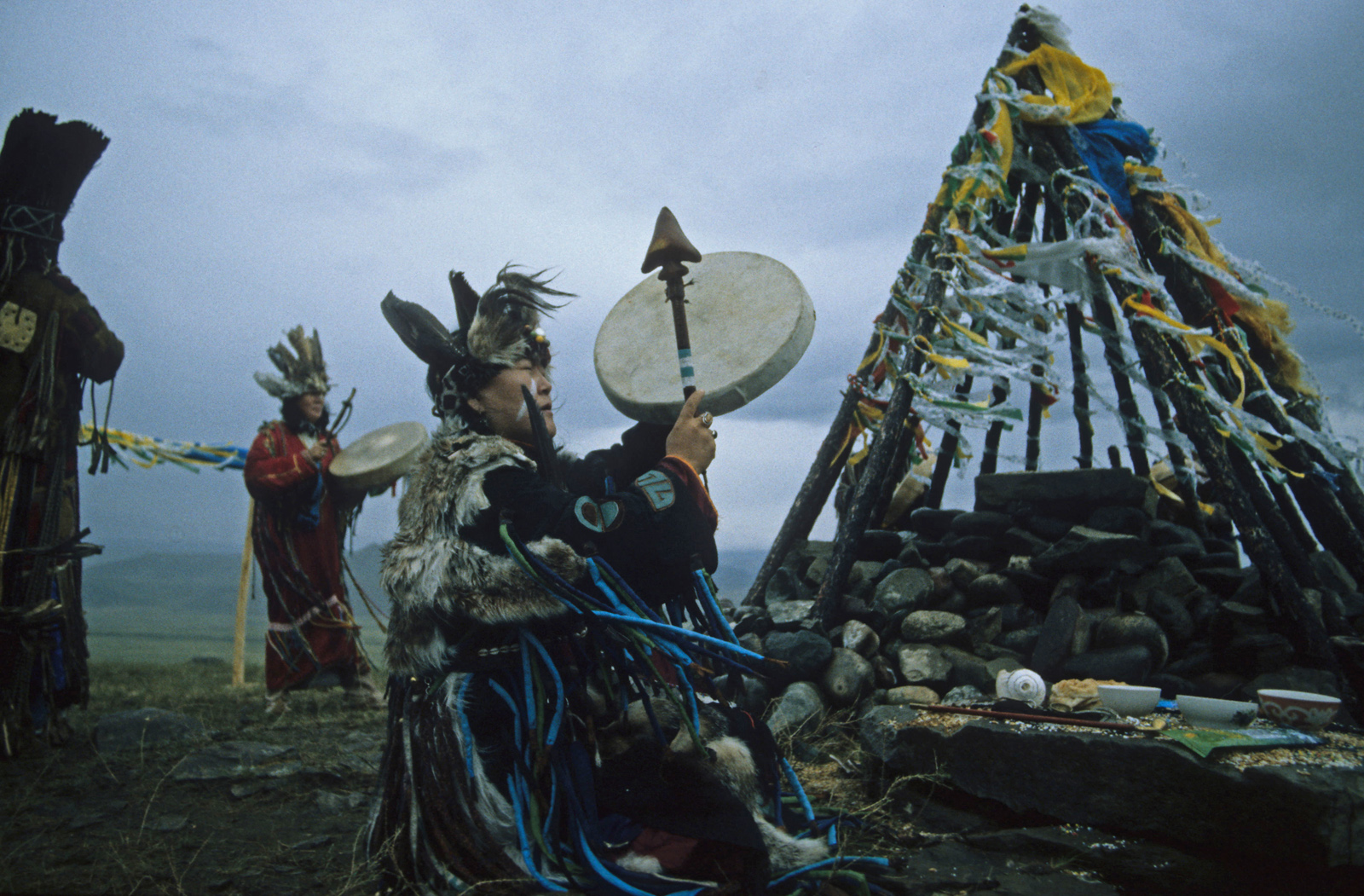
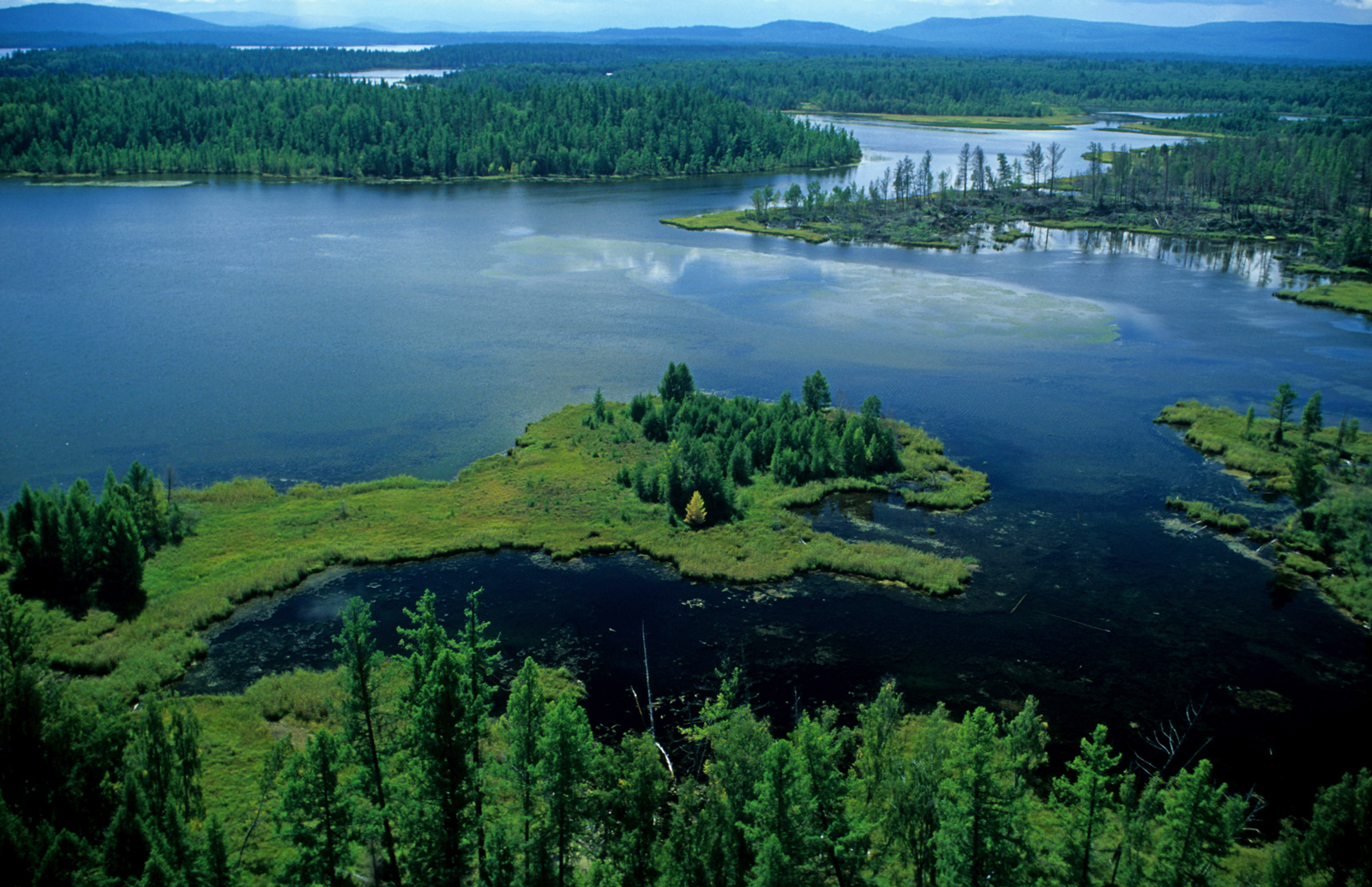
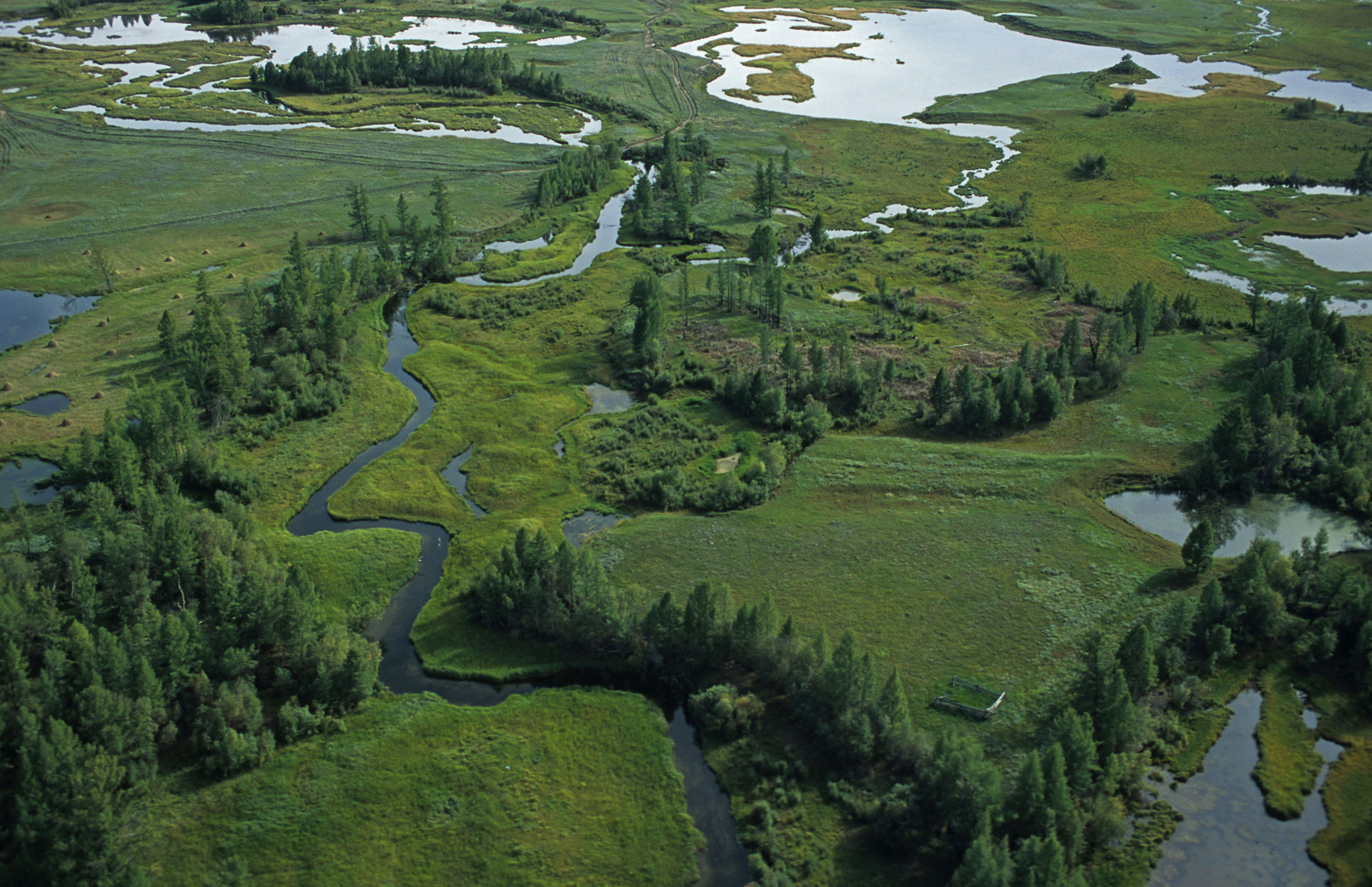
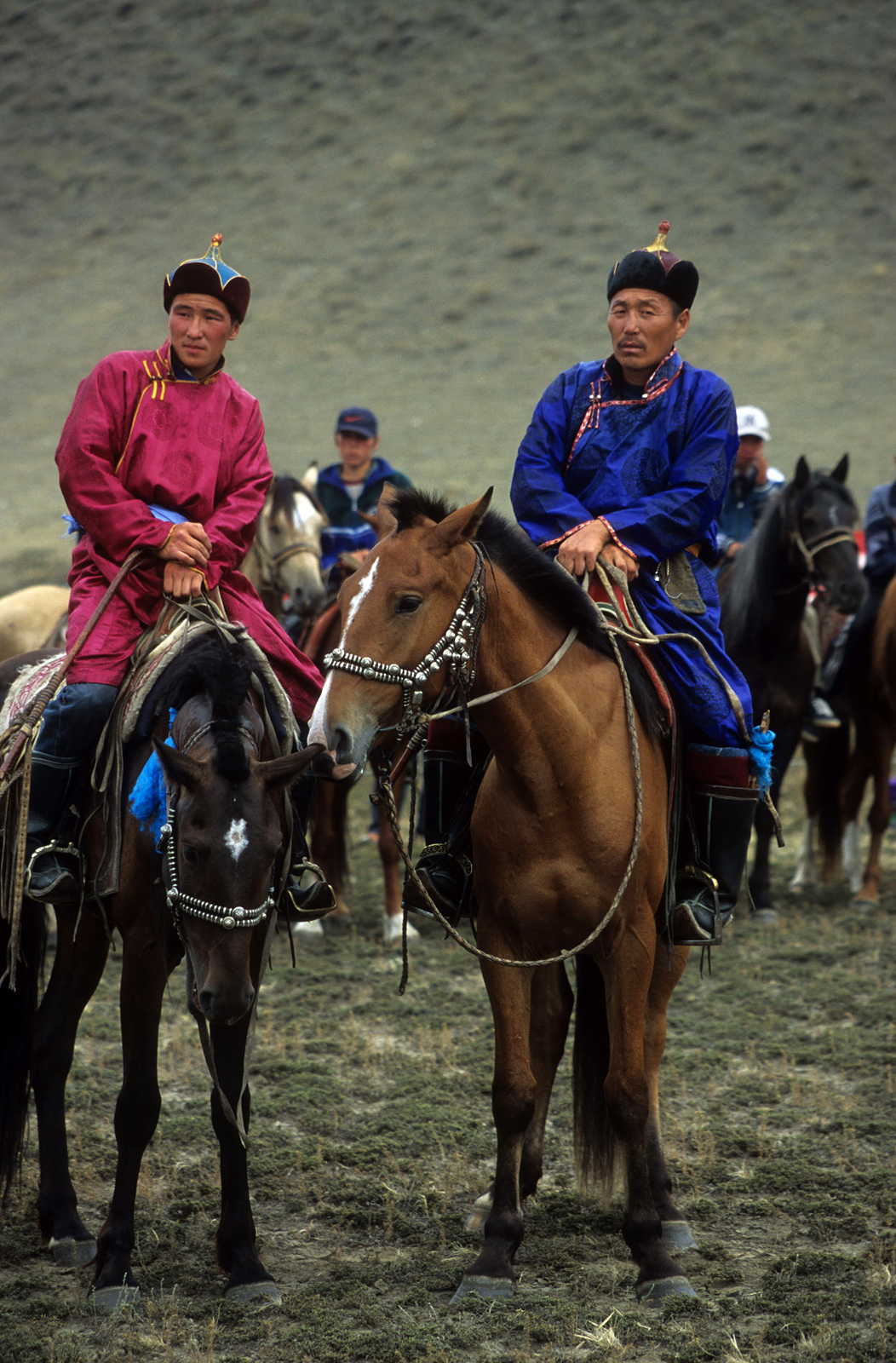
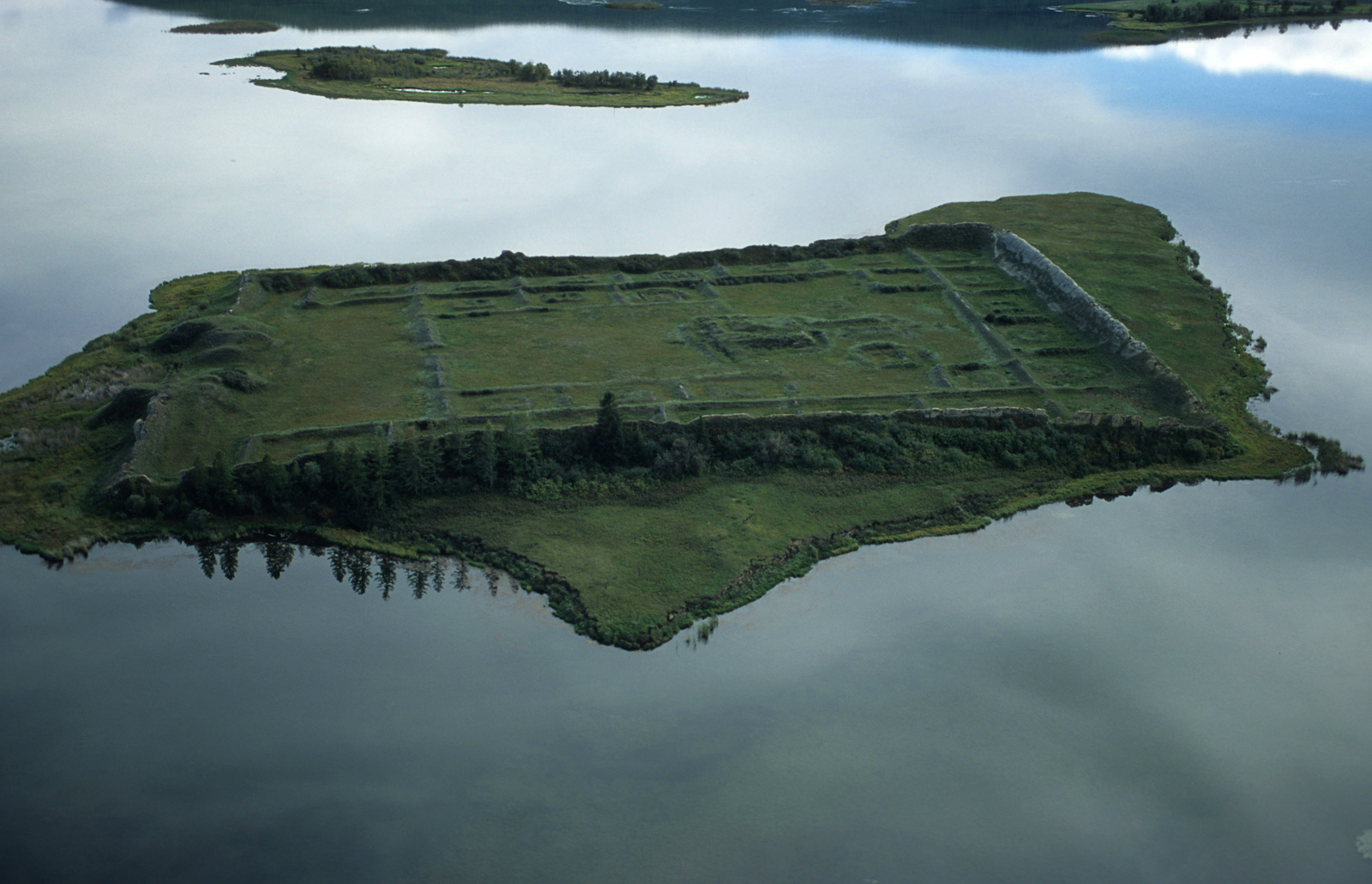
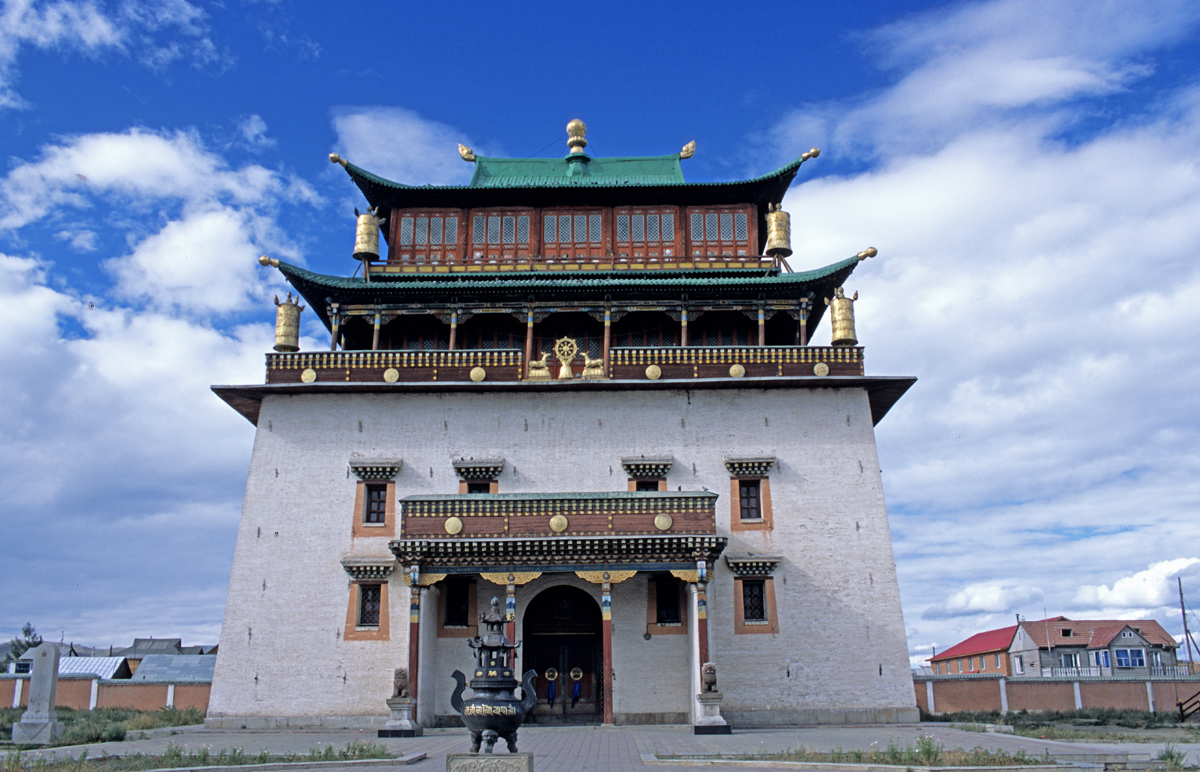
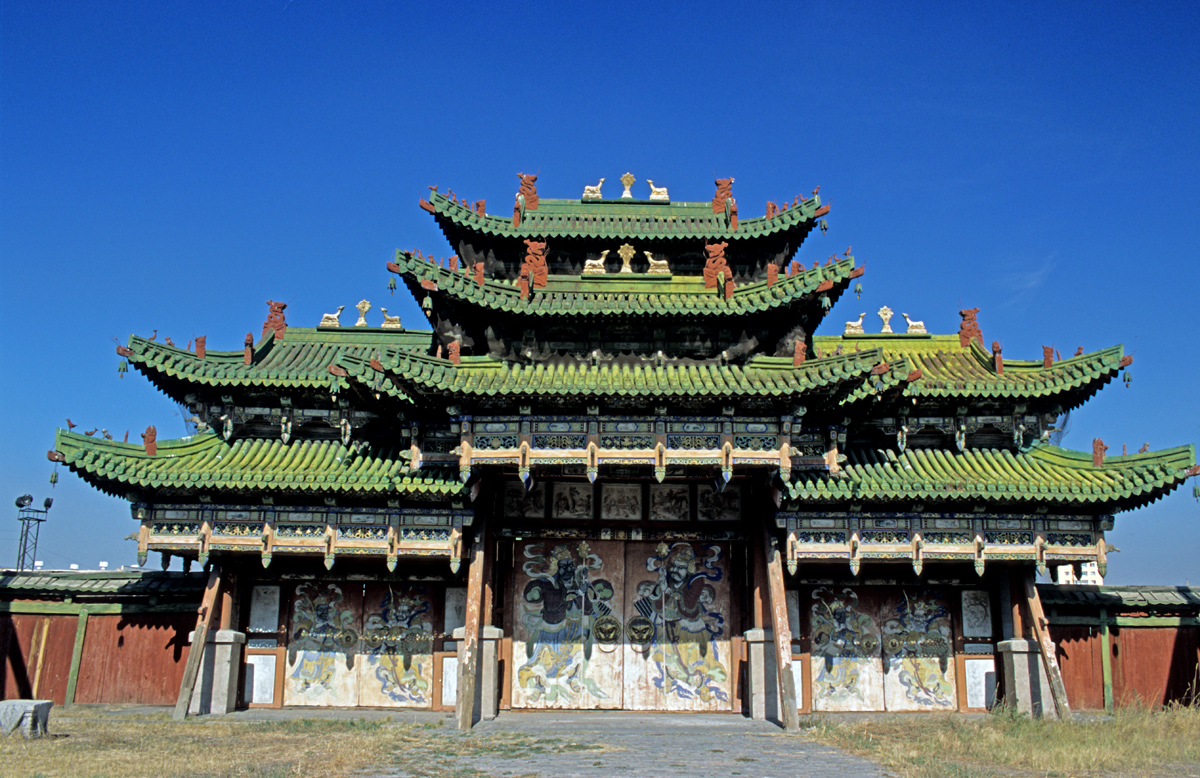
It was an incredible, adventure-filled (thanks to Michałowski), constantly surprising and sometimes dangerous journey, which – together with the earlier journey to Lake Baikal – drew me “into Siberia” and left a deep impression on me. I learned a lot from Michałowski about Baron Roman von Ungern, about whom he has written a very interesting book, and about Ossendowski, whose biography was also written by him. We met in Moscow. I arrived by train – Witold by plane from Finland, where he had had a meeting with a descendant of Ungern. On the first day, I received a note with the phone number of a Chechen friend in case something happened to us in Russia. We travelled by various means of transport. First by train to Krasnoyarsk and then to Abakan, where the police were waiting for us at the door of the carriage. Then by car (because there are no railways) to Kyzyl, the capital of Tuva, which has a population of around 110,000. Then through the taiga by helicopter, on foot, by boat, by ship, by Gaz 66 truck, by motorboat, on reindeer, and by an eleven-ton six-wheeled Urals lorry that carried fuel to the gold mines. We travelled along riverbeds and caught a free ride on plane. We followed Ossendowski’s footsteps, carrying with us a copy of his original travel journal. We visited several gold mines, got lost in the taiga – spending the night under a fallen tree to the accompaniment of wolves howling – and finally reached Kungurtuk and the Arshanov Tarys hot springs, which Ossendowski described in his journal. There we found traces of another Pole, Feliks Kon, an exile, a revolutionary. During his exile (before the revolution) in Minusinsk, Feliks Kon cooperated with the local museum, looking after the library, and continued his research in ethnography and anthropology. At the invitation of the Anthropological Department of the Natural History Society in Moscow, he took part in a scientific expedition to the Uryankhay Krai (to Tuva, also known as Soyotia). After the expedition, he received the Rascvetov Prize and a gold medal from the Anthropological Department. In 1920, during the Polish–Bolshevik War, Feliks Kon, together with the Bolsheviks, was appointed to create a new Bolshevik government in Białystok. As we know, this did not work out and he returned to Soviet Russia. In Poland, he is considered a traitor, but he is highly respected in Tuva thanks to a small but very important book entitled Za 50 lat. Tom III (Ekspedycja w Sojotiu) [In 50 Years. Volume III (Expedition in Soyotia)]. This book is a description of old Tuva, and together with its drawings and photographs it is a valuable collection of information from that period. So in Poland Feliks Kon became a traitor, but in Tuva almost a hero. The Tuvans know well that Kon was Polish and this often “opened” the hearts of this hospitable people to us. Indirectly, thanks to him, I was able to photograph shamans during various ceremonies. We wandered through the mountains and valleys, welcomed by warm Tuvans. Michałowski collected materials for his books, and I took photographs – landscapes, nature, people. From the materials collected during this journey, Michałowski published, among others, the books Wysłańcy innego nieba, Wielkie safari Antoniego O., Szamańskie safari. Przez Wielki Step, Kaukaz i Bieszczady, and Altajskie tropy. We brought back a lot of artifacts from this expedition, some of which have been presented at my exhibitions about Tuva (including flintlock weapons, coins, a bowl for panning gold, a gold nugget). Some exhibits and photographs can be seen in the Museum of Mongolia (since 2017) in Buda Ruska on the Czarna Hańcza River.
In 2001, an expedition in the form of a photography show with a story entitled Through the Urianchay Country was presented by Piotr Malczewski and Witold Michałowski at the Kolosy competition, being awarded a distinction in the Travel category. The photographs from this expedition were also published in the next edition of Ossendowski’s book Through the Country of People, Animals and Gods. On Horseback Through Central Asia (2009).
Piotr Malczewski – traveller, photographer, author of books about Siberia and the Far East.
Translated by Sylwia Szarejko
Piotr Malczewski’s photojournalism from his journey in the footsteps of Ferdynand Ossendowski