
The war was still going on and the Red Army was waiting on the forefields of the fighting in Warsaw. In spite of this, the new communist authorities of Poland started to introduce reforms crucial for the shape of the future Republic. One of the inherent slogans of communism was community and collectivisation. Cooperative kolkhozy and state sovhozy had been present in the Soviet Union for many years and were symbols of the Soviet nation. Poles, who gradually fell under the Kremiln’s authority, were afraid that the same fate would befall their own farms. Those who had lived under the Soviet occupation in the years 1939-1941 were particularly afraid. But the Polish communists decided to take a different form of action…
Pokazuję wyniki dla: #history
read more
Klara Rogalska – A Woman Who Brought Help
Klara Bauer was born in 1925 in Rzeczyca, in the Homel region. She hailed from a patriotic family, three generations of which had been marked out for deportation to Siberia. In October of 1939, her father, Wacław Bauer, a sawmill manager in Jezior, was detained by the NKVD and sentenced to eight years in a labor camp.
From the Hell of Sybir to a Mexican Paradise – In Photographs
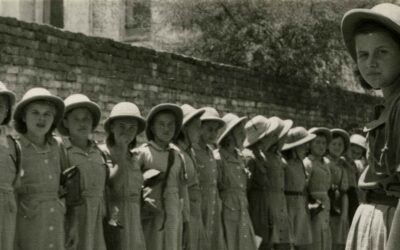
In 1942, approximately 38,000 Polish refugees from the Soviet Union arrived in Iran alongside the newly formed Polish Army. In 1943, around 1,500 of these refugees – children and their caretakers – were sent to the Santa Rosa colony near León, Mexico.
Life and Death in Sybir – In Photographs
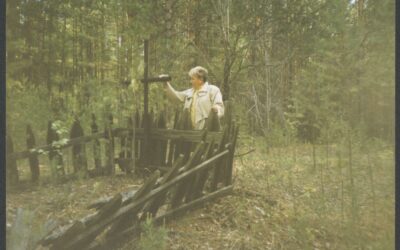
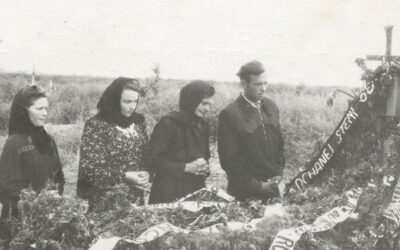
Photographs documenting the lives of deportees in Sybir are rare. Nevertheless, some deportees who returned to Poland managed to bring back a few photographs.