


Krzysztof Buchowski
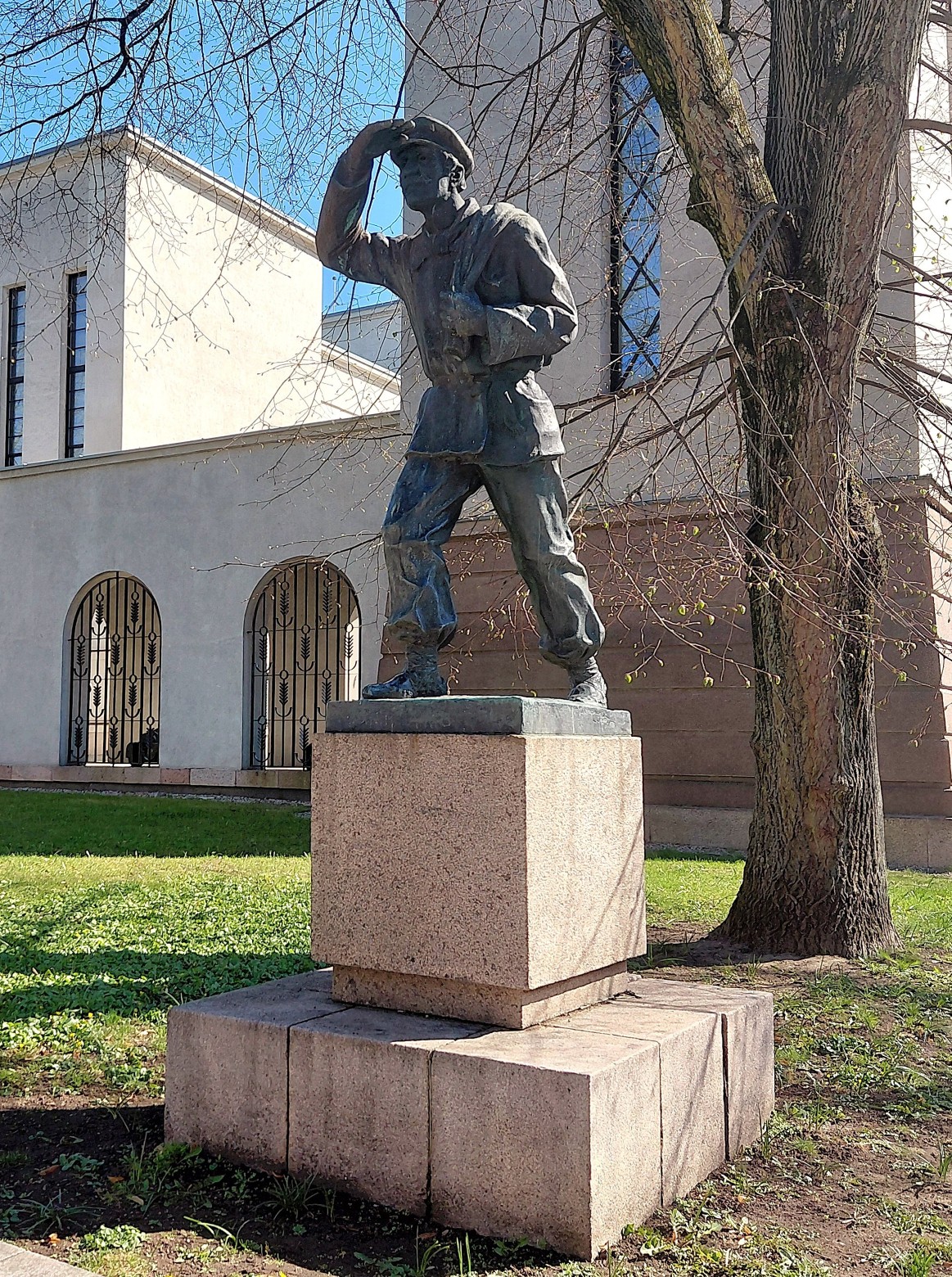
Part of the programme to Russify Lithuanian territories following the January Uprising was a ban on printing in the Lithuanian language using the Latin alphabet. All publications were to be printed in Cyrillic. The spectre of annihilation hung over the development of the Lithuanian language. In 1867, Bishop Motiejus Valančius came up with the idea of printing Lithuanian publications in Prussia. The organisation of this undertaking was entrusted to the resourceful entrepreneur Jurgis Bielinis, who carried the first batch of pamphlets across the “green border” hidden in a sack.
Where did the “Samogitian dialect” come from?
In the Middle Ages, the lands inhabited by pagan Lithuanian tribes roughly corresponded to the territory of present-day Lithuania. In the 14th century, Lithuanian rulers brought many neighbouring Ruthenian principalities under their control. At the end of the same century, through Polish mediation, the Lithuanians also adopted Christianity in the Western rite. Their state, the Grand Duchy of Lithuania, entered into a union with the Kingdom of Poland. From the late 16th century onwards, the Lithuanian boyar (noble) elite became increasingly Polonised in linguistic terms. At the turn of the 18th and 19th centuries, the Lithuanian language was used primarily by the Catholic peasantry and, in some cases, by the minor nobility in the western part of the country, an area usually referred to simply as Samogitia. The ethnic Lithuanian population came to be commonly known as Samogitians, and their language as the “Samogitian dialect”.
The Polish–Lithuanian union, in political terms, existed until the fall of the Polish–Lithuanian Commonwealth. Following the partitions, the Lithuanian lands came under Russian rule. Even in the first half of the 19th century, despite the political order imposed by the partitions, a sense of connection with Polish culture and identity continued to strengthen in Samogitia, while the process of Polonisation progressed. Even inhabitants of the poorest noble estates, or representatives of the Samogitian “common people” – that is, sons of peasants who managed to overcome social barriers and achieve upward mobility – would typically Polonise their surnames, begin using the Polish language, and adopt Polish noble cultural models.
“The Lithuanian Vernacular”
At that time, Vilnius – the historic capital of Lithuania – gained particular importance in Polish cultural life. The city became one of the most important centres of Polish social and intellectual activity. Among those associated with Vilnius, it is not difficult to find writers and artists whose works became a lasting part of the canon of Polish Romanticism: alongside Adam Mickiewicz, they included Juliusz Słowacki, Ludwik Kondratowicz (Władysław Syrokomla), Ignacy Chodźko, Antoni Odyniec, Stanisław Moniuszko, Józef Ignacy Kraszewski and others. The Vilnius intellectual community was primarily connected with the Imperial University of Vilnius, which operated with the permission of the Russian authorities between 1803 and 1832. The importance and achievements of the university continued to resonate throughout the country, and even far beyond Lithuania’s borders, long after it had been closed by the Russians (as a punishment for the participation of Lithuania’s inhabitants in the November Uprising).
In the Vilnius intellectual centre, in accordance with the spirit of the Romantic era, a strong interest developed in the country’s partly mythical history and folk culture. At that time, greater attention was also given to the “Samogitian language”. Until then, as the language of the peasantry, it had rarely taken on a literary form. There were no separate rules of orthography or grammar. Publications in the “Lithuanian vernacular” usually consisted only of prayer books. And yet, paradoxically, written Lithuanian continued to develop, although outside the historical borders of Lithuania – in Prussia, in the area known as Prussian Lithuania. In this region, around Tilsit and Ragnit, there were communities of Lithuanian-speaking people who practised Lutheranism and had undergone partial Germanisation. From the 17th century onwards, by decision of the Prussian authorities, religious services were held there in the Lithuanian language. Lithuanian-language literature and publishing also developed, and in the 18th century even periodicals were printed. Philologists at the University of Königsberg were also advancing scholarly research into the “Samogitian vernacular”. Even in the first half of the 19th century, more publications in the Lithuanian language were produced in Prussia than in the territory of the former Grand Duchy of Lithuania.
“In the Samogitian Language”
Romantic fascination with Lithuanian heritage, strong local patriotism, familiarity with the “Samogitian language” acquired in the family home or local communities, together with inspiration from Prussia, increasingly encouraged young Romantic intellectuals in Vilnius to express their national sentiments. They most often turned to historical themes, recalling the former glory of their homeland while also reflecting on its contemporary condition. Some increasingly emphasised what they regarded as the negative consequences of the union with Poland. They criticised the nobility and landed gentry for having led the country to political catastrophe, but also for yielding to what they regarded as negative influences from Poland. In their view, the principal cause of the state’s crisis and collapse was the estrangement of the elite from their popular roots. Such views did not yet reflect anti-Polish sentiment. Rather, they echoed the long-established sense of distinctiveness from Poles originating from the Polish Crown that had traditionally been deeply rooted in Lithuania. Ideas of this kind were expressed in the works of, among others, Władysław Syrokomla, Józef Ignacy Kraszewski, and Teodor Narbutt, a former member of the Philomaths and author of the multi-volume The Ancient History of the Lithuanian Nation, published between 1835 and 1841. Some authors were inspired to put pen to paper to record folk songs, or published literary works in the “Samogitian vernacular”. Among those fascinated not only by the history of the country but also by its language was the historian Szymon Dowkont (Lithuanian: Simonas Daukantas), who had studied alongside Adam Mickiewicz and Juliusz Słowacki at the University of Vilnius. Although Dowkont had an excellent command of Polish, he was among the first to write and publish systematically in the Lithuanian language. In his writings, he blamed the Lithuanian nobility, among other things, for the introduction of serfdom and the continuing process of Polonisation. The number of authors publishing their works in the “Samogitian language” steadily increased. Enthusiasts such as Dowkont, the publisher and lexicographer Wawrzyniec Iwiński (Laurynas Ivinskis), and the gifted poet, later Bishop of Sejny, Antoni Baranowski (Antanas Baranauskas), nevertheless remained a small minority within Lithuania’s Polish-speaking elite, both secular and ecclesiastical.
Lithuanian in Cyrillic
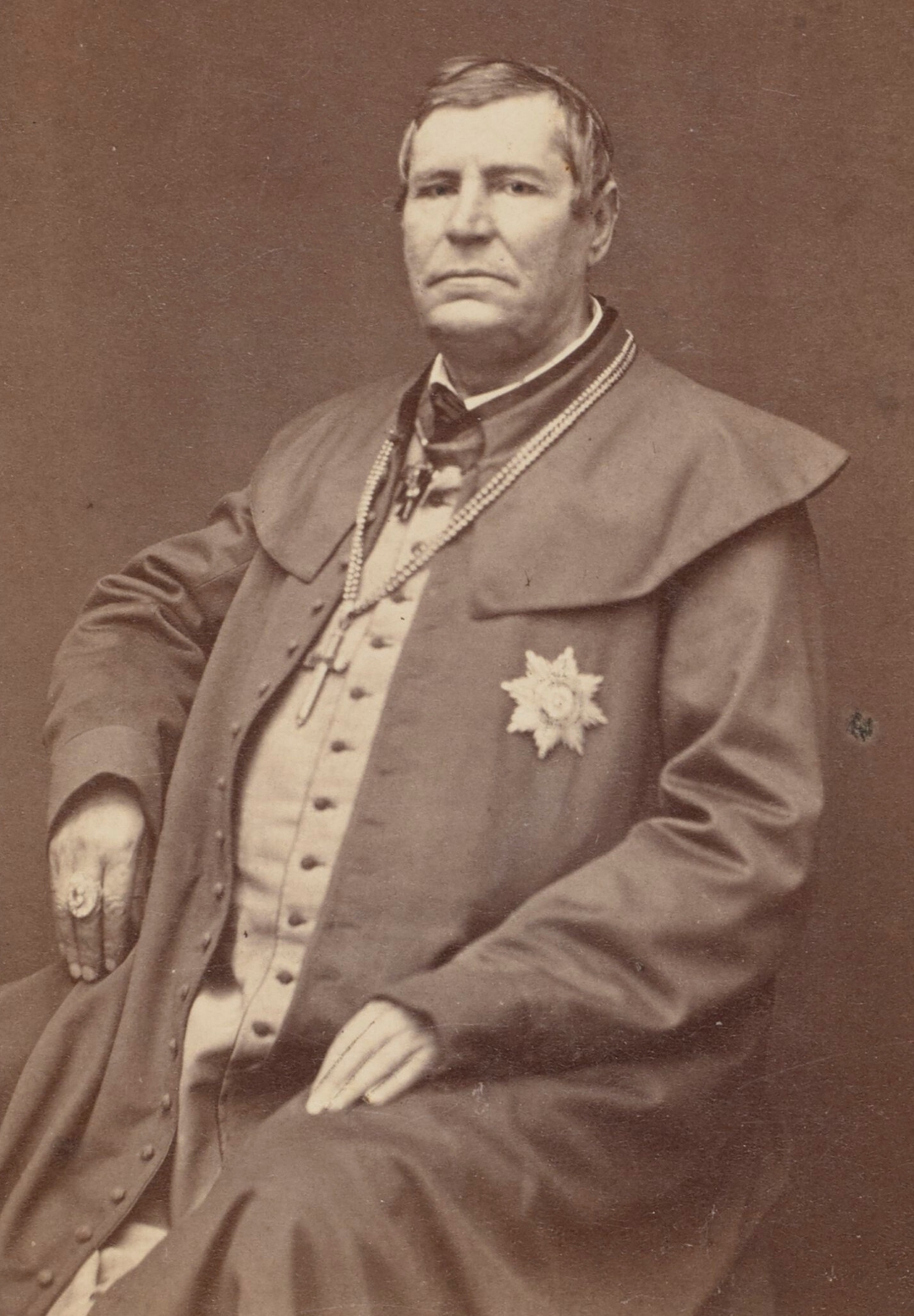
Among the champions of the Lithuanian language was Father Maciej Wołonczewski (Motiejus Valančius). He was born in 1801 into a peasant family near Kretinga in Samogitia. Thanks to the patronage of the noble Ogiński family, he completed his secondary education before going on to study at a Catholic seminary and the Vilnius Roman Catholic Academy. In 1850, Valančius was consecrated Bishop of Samogitia (in 1854, by order of the Russian authorities, the episcopal see was transferred from Varniai to Kaunas). Valančius was the first church hierarch of peasant origin in the history of Lithuania. He made his first attempts at writing while still a student. As diocesan bishop, he quickly gained enormous authority and the trust of the faithful. He had first-hand knowledge of their problems and was able to communicate with them in their native language. With the approval of the Tsarist authorities, the bishop established a network of parish libraries and schools in which instruction was provided in Lithuanian. He also founded a diocesan publishing house that produced religious literature. In the late 1850s, in an effort to combat widespread alcoholism among the peasantry, he launched a temperance movement throughout the diocese. This initiative was very successful and helped create the basis for the development of social engagement and community solidarity.
The defeat of the January Uprising (1863–1864), in which not only the local landed gentry and nobility but also peasants from Samogitia took part, was a profound shock for Lithuania. The population was subjected to severe reprisals by the Tsarist authorities. These measures were directed primarily against the Polish nobility, which the imperial authorities regarded as a corrupting influence on the “age-old Russian” lands of the former Grand Duchy of Lithuania. In the early 1860s, in parallel with a similar reform in Russia, serfdom and compulsory labour obligations were abolished, undermining the traditional economic foundations of the landed gentry. Following the defeat of the uprising, the remaining institutions of noble self-government were abolished. Participation in the recent insurrection was punished by confiscation of property, exile, and even the death penalty. The authorities also concluded that the dominance of the Polish language and the Roman Catholic faith lay at the heart of resistance. The Russian authorities sought to reclaim the Lithuanian peasantry for the Empire by purging its Lithuanian identity of Polish influence. Polish was removed from public life and education, to be replaced by Russian. Even religious instruction was to be conducted in Russian. A number of churches were temporarily closed, while the construction of new churches and the renovation of existing ones were prohibited. Roman Catholic seminaries were placed under strict supervision, and the admission of new seminarians was temporarily suspended. Sermons became subject to censorship. Both state institutions and private organisations were prohibited from employing Catholics or granting them credit. A ban was also imposed on the acquisition of land by members of the Roman Catholic faith. At the same time, the construction of Orthodox churches was actively promoted, while the local population was strongly encouraged to convert to Orthodoxy. The aim was to draw the “Samogitian people”, especially the younger generation, away from the sphere of Polish influence, encourage their conversion to Orthodoxy, and ultimately assimilate them into Russian culture. The authorities expected these objectives to be achieved within 20 to 30 years.
Against Russification
An element of the Russification programme was the introduction, in June 1864, of a ban on printing in Lithuanian using the Latin alphabet. From that point onwards, all publications were to be produced exclusively in Cyrillic script (the so-called graždanka). The ban was initially introduced by decree of Mikhail Muravyov, the Governor-General of Vilnius, and was later confirmed by the Minister of Internal Affairs and the Tsar. The restriction applied throughout the entire Empire. In addition, the import and distribution of Lithuanian-language publications from abroad was prohibited. A few years later, it was clarified that the ban also applied to publications printed in Gothic type (so-called Schwabacher), which was widely used in Prussia. The printed Lithuanian word was intended to disappear completely. In its place, the state offered books, textbooks and pamphlets written in Russian letters.
The ban immediately affected enthusiasts of the native language, particularly bibliophiles and philologists. Initially, they attempted to circumvent the new law by illegally backdating new publications (editions dated before 1864 were permitted) or by arguing that the printed works were of a strictly scientific and academic nature (the censors allowed similar exceptions). In Samogitia, however, the printed Lithuanian word (mainly in the form of prayer books and religious pamphlets) often also found its way beneath peasant roofs and into parish schools. In the face of the occupying authorities’ decrees, the prospects were alarming: the threat of extinction loomed over the development of the Lithuanian language in its native land. According to Russian calculations, the “Samogitian people” in their existing form was destined to disappear.
The bans directly undermined the efforts that Bishop Valančius had made up to that point. The publishing house he had established and the parish schools he had founded were closed, while the temperance brotherhoods were dissolved. Episcopal visitations of parishes were placed under strict control. Between 1864 and 1866, nearly 40,000 people in the Diocese of Samogitia converted to Orthodoxy under pressure from Tsarist officials. The occupying authorities clearly intended to deprive the Church of its “rule over souls”. The bishop, who until then had generally adopted a conciliatory approach, decided that the new circumstances required active opposition to the authorities’ intentions. In his official pastoral teaching, he limited himself to condemning the abandonment of Catholicism. Unofficially, however, he strongly urged the faithful to defend their faith and churches with all their strength, and not to accept or purchase books printed in graždanka (Cyrillic script). As far as possible, instruction in reading and writing was to be organised in private homes, preferably using religious pamphlets and catechisms. According to the bishop’s recommendation, only once children had gained a good command of their native language could they be sent to Russian primary schools.
Book-Carriers
A significant obstacle to carrying out this plan was the lack of educational materials. They could not be printed locally, and the existing resources of literature in the “Samogitian language” were insufficient. For this reason, in 1867 Bishop Valančius came up with the idea of commissioning printing work in nearby Prussia, where suitable infrastructure existed and publishers with the necessary experience in Lithuanian-language publications were active. The Bishop of Samogitia not only provided financial backing for the undertaking but also personally wrote several religious booklets and pamphlets concerning the persecution of Catholics by the Russian authorities (naturally, the author was officially anonymous). The organisational side of the project was handled by the enterprising businessman Jurgis Bielinis, who transported the bishop’s manuscripts to Tilsit in Prussia and commissioned the first batch of printed materials.
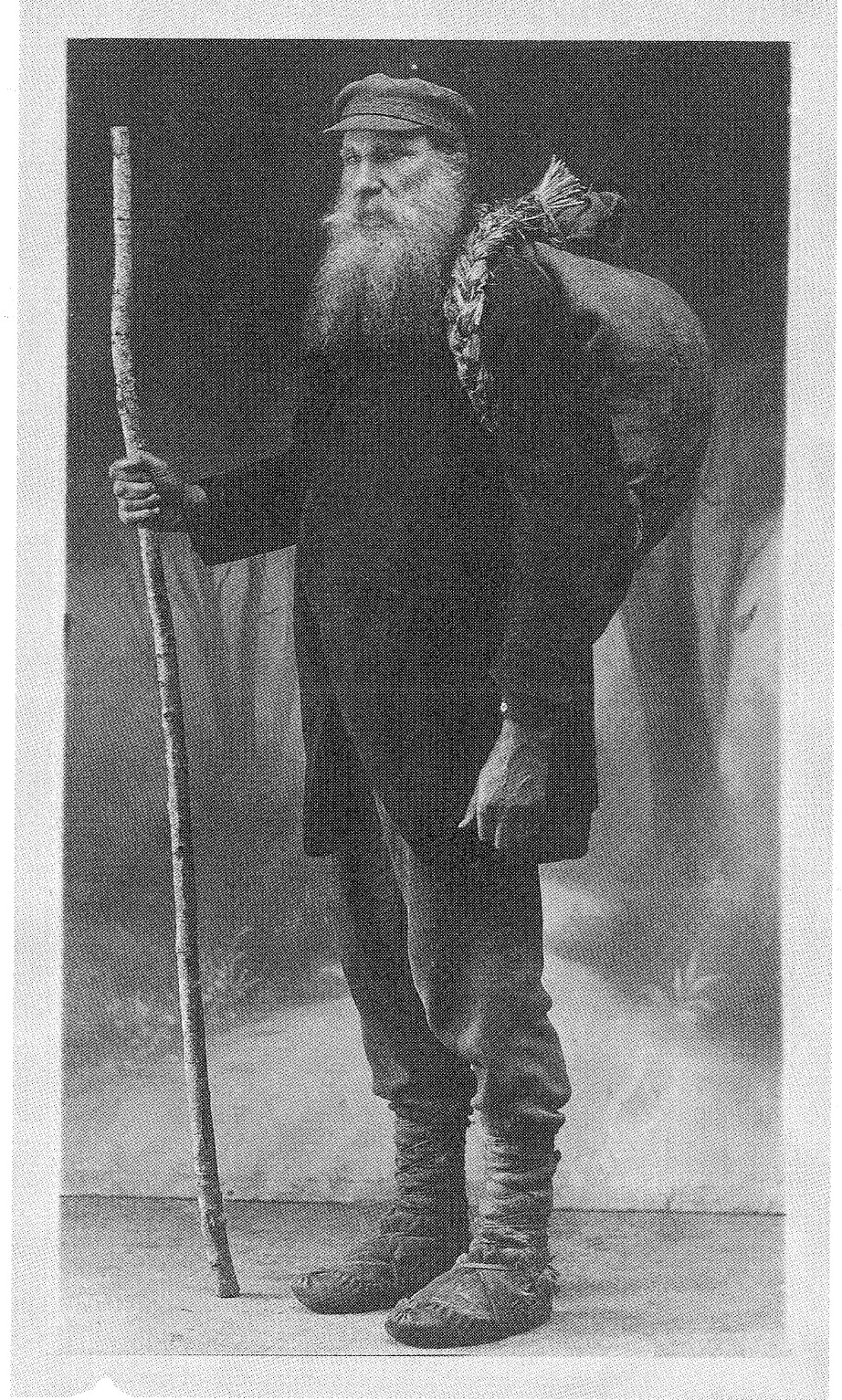
The next challenge was to smuggle the finished pamphlets into Lithuania. They could not be transported legally, so Bielinis carried the first batch across the “green border” in an ordinary sack. The printed materials were then taken to a distribution point established on Bishop Valančius’s orders in one of the churches near the border. From there, they were distributed by priests, trusted associates, or travelling sellers of religious items. Eventually, the publications reached peasant households, where they were carefully concealed from the eyes of the authorities. The same pattern was repeated many times. At first, for obvious reasons, the operation could only be carried out on a relatively small scale. Over time, however, with the bishop’s support, an extensive network for smuggling and distributing publications was established. The movement gradually assumed an almost mass character. Thanks to the bishop’s authority and the support of the clergy, increasing numbers of people became involved in the clandestine transport of books. They became known as book-carriers (knygnešiai). Books printed in Prussia continued to be smuggled mainly in sacks carried on the back, although they were sometimes concealed within consignments of legally transported goods when crossing the border. On occasion, shipments reached Lithuania by more indirect routes, for example through the port of Riga. Between 1867 and 1869 alone, around 19,000 copies reached readers. In the following years, the range of publications expanded beyond prayer books and religious pamphlets to include literary works and periodicals. To cover printing costs, the publications were usually sold to readers.
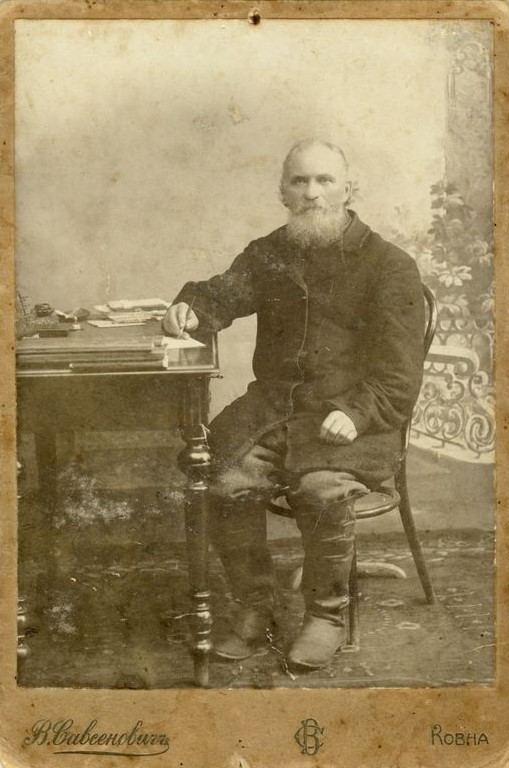
Book smuggling was a highly profitable enterprise – the retail price of a book could be as much as ten times the cost of its production – but it also involved considerable risk. Book-carriers (knygnešiai) could lose their lives while crossing the border illegally. Those who were caught were usually sentenced to imprisonment, sometimes for as long as five years. The books were, of course, confiscated. Modern researchers estimate that around 3,000 smugglers were apprehended by Russian or German border guards, some of them on more than one occasion. Even so, only about 10 per cent of the contraband was intercepted. Jurgis Bielinis devoted 41 years to smuggling books. According to some estimates, he personally transported almost half of all the publications. Although he was arrested several times, he always managed to avoid punishment through bribery and his remarkable resourcefulness. In addition to peasants, who made up nearly 90 per cent of the book-carriers (knygnešiai), the smuggling network also involved members of the clergy, inhabitants of border towns (mainly merchants and shopkeepers), and even some representatives of the nobility and landed gentry. The authorities rightly suspected that Bishop Valančius was involved in the operation behind the scenes. Searches were carried out at the Kaunas diocesan curia and at the bishop’s residence, but they failed to produce the desired results. The authorities therefore limited themselves to keeping the Bishop of Samogitia under close surveillance.
A Shared Resistance to Russification
The book-carrier movement quickly attracted the attention of Polish public opinion, both in the Lithuanian lands and elsewhere. The initiative of the “sons of the Samogitian people” was generally regarded as a healthy expression of the revival of native culture and an admirable commitment to preserving the mother tongue and the Roman Catholic faith. There was nothing objectionable, in the prevailing view, about peasants learning to read and saying their prayers from books printed in their own vernacular. The widespread perception was that the activities of the book carriers were, above all, directed against Russian rule and therefore formed part of the broader tradition of shared resistance to Russification. A highly favourable portrayal of the book carriers was presented by Maria Rodziewiczówna in her novel Grey Dust (Szary proch), published in Lviv in 1889.
The author shaped both the plot and her characters in such a way that readers were encouraged to sympathise with the courageous “Samogitian people” defending their language and their faith. In Grey Dust, the peasants are depicted as “sound grain”, uncorrupted by the moral decay of civilisation, while the smuggling of books is portrayed as an honourable service – a patriotic duty and an act of national self-sacrifice, comparable to participation in earlier uprisings. According to Rodziewiczówna, the “Samogitian people” had remained honest and faithful to tradition, untainted by national or religious apostasy.
Clandestine “Director” Schools
Even in the first half of the nineteenth century, education in state schools was generally beyond the reach of the peasantry. There was, however, a long-standing tradition in Samogitia of establishing small schools for peasant children on landed estates and at parish houses. It was from this tradition that Bishop Valančius’s initiative to establish parish schools emerged. After the authorities forced their closure, the bishop did not abandon the cause. The growing availability of Lithuanian-language publications made this task considerably easier. In this way, the so-called daraktorius schools began to emerge. In everyday Lithuanian, the respectful title daraktorius (“director”) referred to the organiser of such a school, who was usually also its teacher. These clandestine schools had no permanent premises. Instead, teachers and pupils gathered in turn at rooms made available by local peasant families whenever possible. The children, most of whom were between eight and ten years old, studied most intensively during the winter months, when agricultural work came to a halt. At first, the “directors” were usually graduates of the former parish schools. The villagers contributed towards their upkeep and provided them with a modest remuneration. In many cases, parents themselves took on the role of teachers. In some cases, the schools also received assistance from noblewomen living on nearby landed estates. Children were taught to read and write in Lithuanian, as well as arithmetic, reading in Russian and Polish, and the basics of Lithuanian history and geography. The Tsarist administration actively prosecuted both the daraktoriai (“directors”) and the children’s parents. Those caught providing illegal instruction faced heavy fines or up to three months’ imprisonment. Yet these reprisals failed to discourage either parents or teachers.
The broad, almost mass participation of the “Samogitian people” in the book carrier movement and the network of daraktorius schools became a manifestation of a kind of underground civil society. It became another lesson in civic engagement and resistance, teaching perseverance, strategy, and ethnic solidarity. A sense of shared identity was taking shape – one that would soon become the foundation of the modern Lithuanian nation.
The work of Bishop Maciej Wołonczewski (Motiejus Valančius) continued after his death in 1875. The book-carrier movement and the daraktorius schools flourished not only in Samogitia but also in other Lithuanian-speaking regions, above all in the Diocese of Sejny (centred on the region known as Užnemunė, referred to at the time in Polish as Zaniemenie, corresponding to the Suwałki Governorate, which administratively formed part of the Russian-controlled Kingdom of Poland). To a lesser extent, both movements were also present in the Vilnius region, where by that time most of the rural population already spoke Polish or Belarusian.
The Fight for the Peasants’ Sons
The decisive factor that shaped the future development of Lithuanian national consciousness was the emergence of the first generation of an intelligentsia of peasant origin. In an effort to draw children away from the daraktorius schools, the authorities began to establish a denser network of state primary schools in which instruction was conducted in Russian. Increasingly, peasant children continued in formal education after receiving their initial instruction at home. Graduates could then apply for admission to government secondary schools (gymnasiums). As a result, access to education and the educational attainment of young people in the Lithuanian lands steadily increased. This process advanced most rapidly and most fully in the Suwałki Governorate, where the restrictions imposed by the Russian authorities were less severe (for example, the ban on Catholics acquiring land did not apply). At the two local gymnasiums, in Suwałki and Mariampolė, the authorities even permitted Lithuanian to be taught as an optional subject in order to encourage the sons of peasant families to pursue their education. As early as 1866, a three-year teacher-training seminary was established in nearby Veiveriai, not far from Mariampolė, to prepare teachers for Lithuanian primary schools. Although instruction there was also conducted in Russian, both the lecturers and the students created a vibrant intellectual community that cultivated the native language and a distinct Lithuanian identity. The seminary operated for more than fifty years, and over one thousand graduates left the institution. The sons of peasant families increasingly went on to pursue further education, for example in theological seminaries. The authorities continued to hope that they could win over the younger generation of Lithuanians. To this end, ten annual scholarships at universities in the interior of Russia were established for Lithuanian graduates of state gymnasiums from the Suwałki Governorate. Others chose to study at different Russian institutions of higher education, including those in nearby Warsaw. After completing Russian gymnasiums and universities, young Lithuanians sometimes continued their careers within the Empire or beyond its borders. Most, however, returned to their native regions, becoming increasingly involved in the emerging national movement. The activities of the enthusiasts of the first half of the nineteenth century, followed by the book carriers and the daraktoriai, proved to be an effective safeguard against the loss of Lithuanian identity.
“Aušra” – The Beginning of a New Era
In 1883, almost twenty years after the introduction of the printing ban, a group of highly educated activists – former pupils of clandestine schools who had learned to read from books smuggled from Prussia – launched the publication of the first Lithuanian periodical, the monthly “Aušra”. The periodical was printed in Prussian Ragnit (later in Tilsit), with the organisational assistance of the incomparable Jurgis Bielinis. The most famous of the book carriers lived to see the Tsarist authorities lift the printing ban in 1904. Clandestine education then lost much of its importance, although it continued to exist in the Lithuanian lands until the years of the First World War.
As it later became clear, the appearance of “Aušra” changed the course of Lithuanian history, ushering in an entirely new era in the country’s development. The efforts of successive generations of Lithuanian activists resulted not only in the consolidation of modern Lithuanian national consciousness among the people who had previously been known as the “Samogitian people”, but also in the creation of an independent state during the interwar period. It is worth adding that this new chapter in history was marked by a growing conflict with the Poles, which aroused strong emotions, particularly in the twentieth century. That, however, is a subject for an entirely different story.
In independent Lithuania, the memory of the first nineteenth-century enthusiasts of Lithuanian culture, the book carriers, and the daraktoriai continues to be honoured to this day. Schools and streets are named after these heroes, and monuments are erected in their memory. The birthday of Jurgis Bielinis, 16 March, is celebrated every year as a national holiday – the Day of the Book-Carrier (Knygnešio diena).
Krzysztof Buchowski is a professor at University of Białystok.
The subheadings in the text were added by the editors.
Translation from Polish by Małgorzata Giełzakowska