


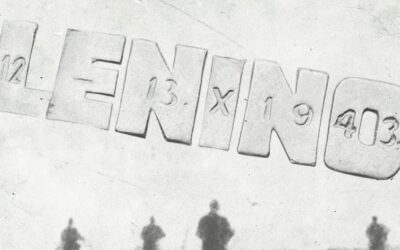
They failed to join Anders
Piotr Popławski discusses the circumstances behind the formation of Berling’s Army and the Sybirak elements of this story with Prof. dr hab. Karol Olejnik the eminent historian and researcher of the Polish army.
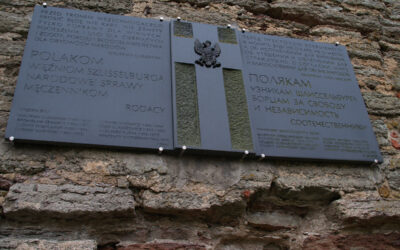
History in liquidation – removal of Polish memorials in Russia
Ewa Ziółkowska: Last year in Russia, one by one, Polish memorial signs disappeared in unexplained circumstances. Crosses, plaques and entire multi-ton stone monuments were removed. This is the Russian response to Poland’s involvement in helping Ukraine attacked by Russia in February 2022.
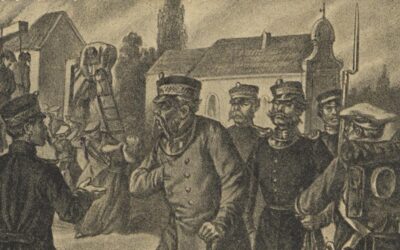
How to ‘depolish’ the Borderlands? The Russian and Soviet empires with regard to the eastern lands of the Republic of Poland in the 19th–20th centuries
Dr Henryk Głębocki interviewed by Tomasz Danilecki Tomasz Danilecki: We will attempt to reflect on the internal differences in the Russian elites’ approach to the integration of the area of the former Grand Duchy of Lithuania with the empire after the destruction the...
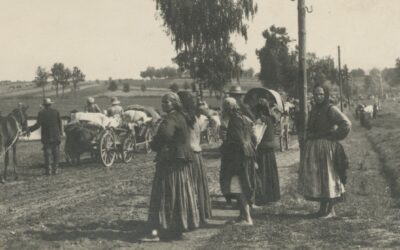
The Bezhensty and Prisoners of War in the Steppes of Kazakhstan and Central Asia – Presence and Repatriation
Dmitriy Panto: The First World War (1914-1918) was the greatest epochal experience for the whole world and for Europe in particular. The war effort forced hundreds of thousands of people to leave their homes and seek refuge in safer places. Poles were not only active participants in this conflict on each of the warring sides, but also victims of both warfare and political decisions.
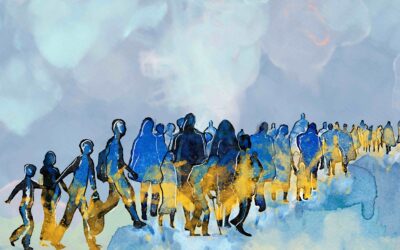
Long History of Deportation Practices in Ukraine
Yevhenii Monastyrskyi In April 2024, 161 children deported by Russians from Ukraine were found in Germany. We don’t know for sure how these children ended up in the European Union, but there’s an important detail in this story that’s been overlooked by major...
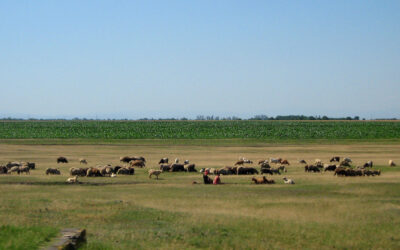
From the children’s eyes: the Bărăgan deportation
Maria Gabriela Groza: The Bărăgan deportations represented the Romanian Communist regime’s decision in the 1950s to relocate approximately 44,000 people who lived near the Romania–Yugoslavia border.
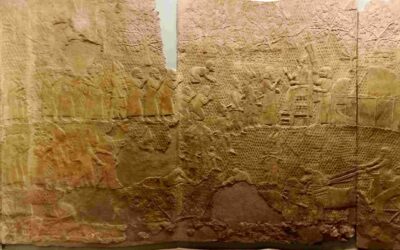
“By transforming a country into a wasteland, they proclaim to have delivered peace.”*
Ryszard Kulesza: Probably all over the world, in all places on earth, from ancient times to the most recent, smaller and larger empires have used deportations.

Historical policy in Russia as a substitute for state ideology
Jan Rachinskij: Today, history politics occupies roughly the same place in Russia as ideology did in Soviet times. And it is not just about imposing state-approved interpretations of events.
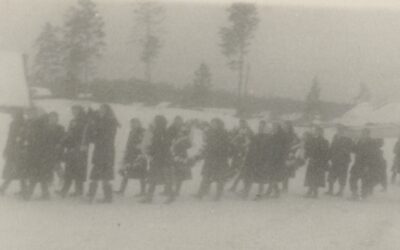
“Our stolen youth weeping for its stolen homeland” (Dalia Grinkevičiūtė) – A child´s memories of deportation from Lithuania to Siberia
Vytenė Muschick: Dalia, her brother Juozas, and her parents were deported to Siberia from their hometown of Kaunas during the first mass deportations on 14 June 1941. She was 14 years old at the time and her brother Juozas was 17. That deportation consisted of over 12,000 people; 5,060 of these were children, and 863 more children were later born in exile