


szukaj - search

Pokaż więcej wyników

Generic selectors
Exact matches only
Search in title
Search in content
Post Type Selectors
"><font style="vertical-align: inherit
Logo Centrum Mieroszewskiego
Logo Muzeum Pamięci Sybiru w Białymstoku
szukaj - search

Pokaż więcej wyników

Generic selectors
Exact matches only
Search in title
Search in content
Post Type Selectors
"><font style="vertical-align: inherit
Logo Muzeum Pamięci Sybiru w Białymstoku
Logo Centrum Mieroszewskiego
szukaj - search

Pokaż więcej wyników

Generic selectors
Exact matches only
Search in title
Search in content
Post Type Selectors
"><font style="vertical-align: inherit

TIMELINE

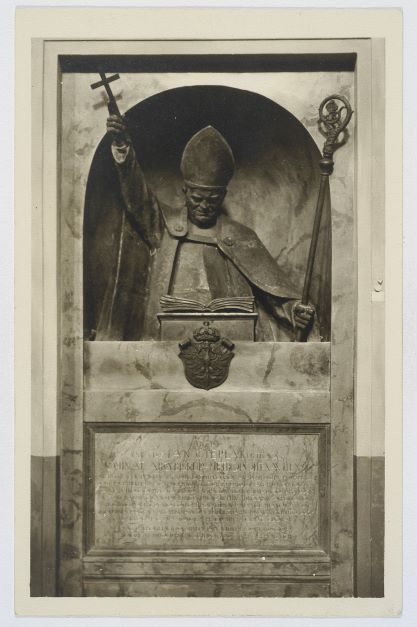
Fotografia nagrobka kamiennego wyobrażającego mężczyznę w stroju duchownego
17.02.1926 – Unexpected death of the metropolitan
Father Jan Cieplak was auxiliary bishop of the Mogilev archdiocese, at that time the largest Roman Catholic archdiocese in the world, covering the whole of Russia up to Sakhalin.
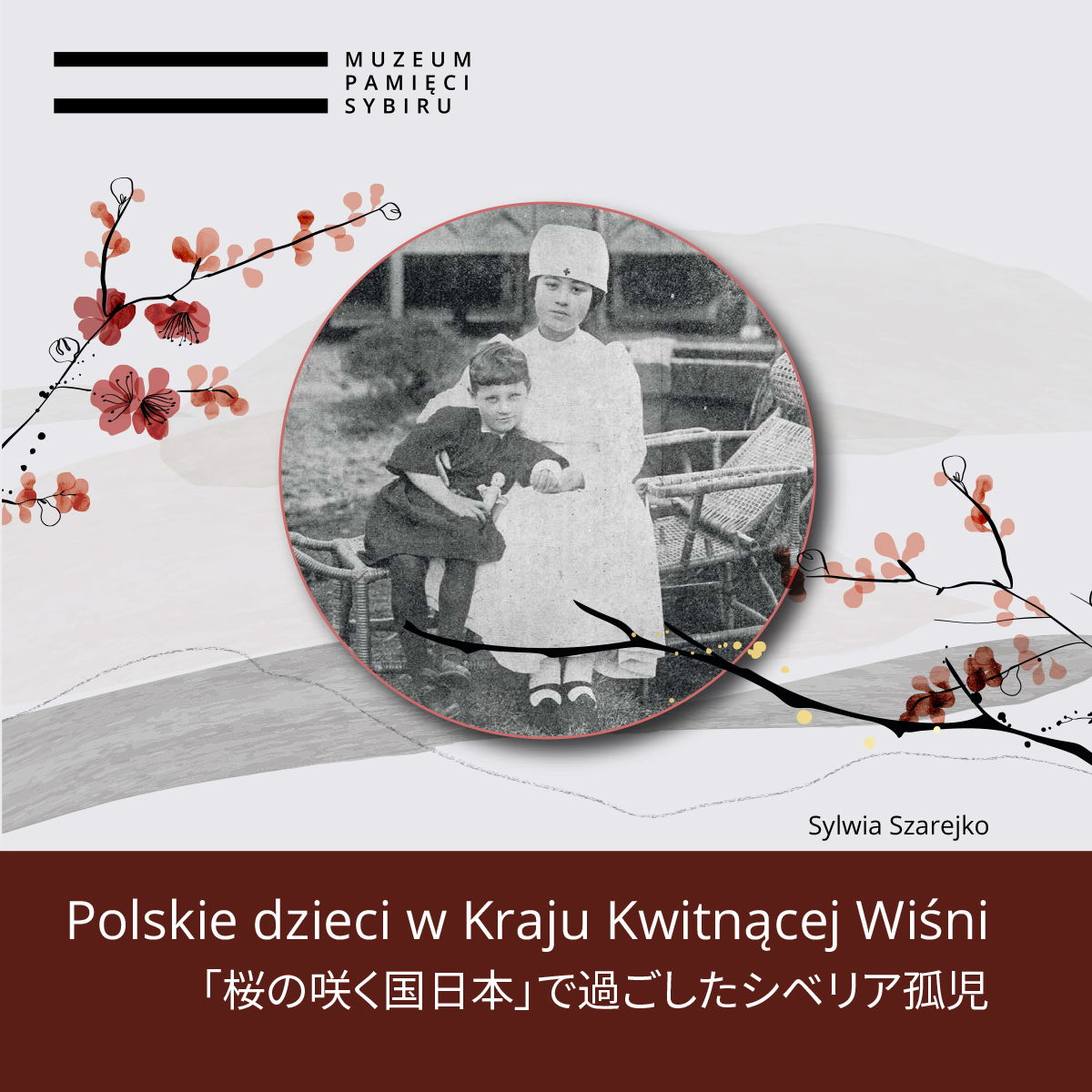
Okładka książki: Polskie dzieci w Kraju kwitnącej Wiśni
23.07.1920 – Japanese help for Polish children
On 23 July 1920, the first ship from Vladivostok with Polish children evacuated from Siberia arrived in Tsuruga, Japan. By 1922, a total of more than 700 kids had arrived in the Land of the Cherry Blossom. Their first stops were the cities of Tsuruga and Osaka.
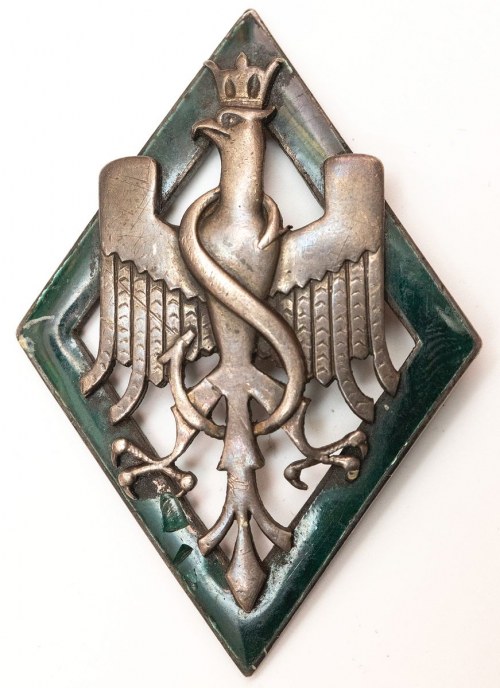
Metalowa odznaka z orłem w koronie na tle zielonego rombu
10.01.1920 – The capitulation of the 5th Siberian Division 
Volunteer Polish units in Siberia began to organise as early as the turn of 1917/1918.
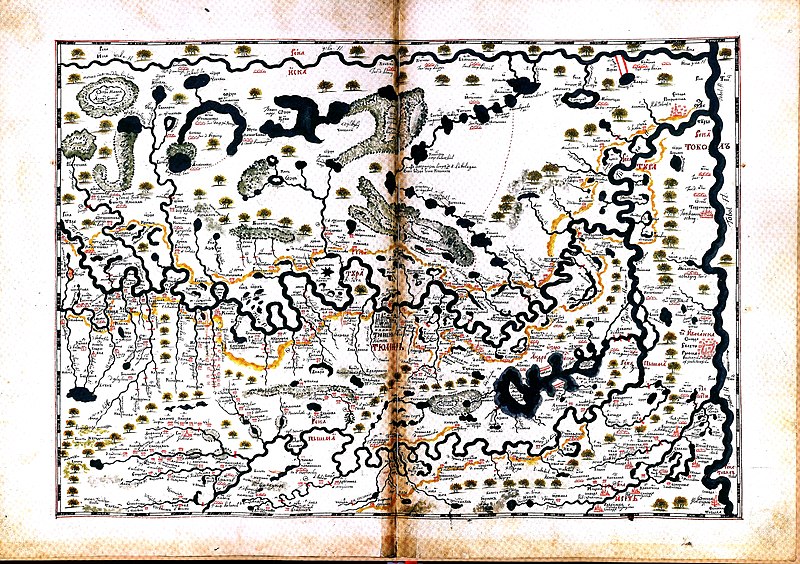
Na zdjęciu jest odręcznie wykonany plan miejscowości
26.06.1579 – The first exiles of the Polish Republic
The first Siberian fortresses were built by Polish prisoners of war who had been taken captive by Moscow authorities precisely during the war initiated by Stefan Batory.