


szukaj - search

Pokaż więcej wyników

Generic selectors
Exact matches only
Search in title
Search in content
Post Type Selectors
"><font style="vertical-align: inherit
Logo Centrum Mieroszewskiego
Logo Muzeum Pamięci Sybiru w Białymstoku
szukaj - search

Pokaż więcej wyników

Generic selectors
Exact matches only
Search in title
Search in content
Post Type Selectors
"><font style="vertical-align: inherit
Logo Muzeum Pamięci Sybiru w Białymstoku
Logo Centrum Mieroszewskiego
szukaj - search

Pokaż więcej wyników

Generic selectors
Exact matches only
Search in title
Search in content
Post Type Selectors
"><font style="vertical-align: inherit

TIMELINE

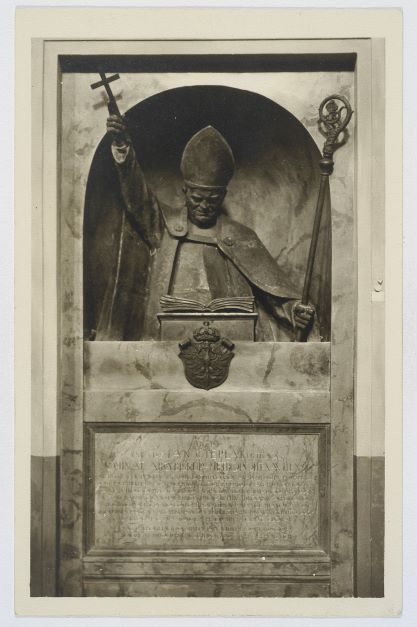
Fotografia nagrobka kamiennego wyobrażającego mężczyznę w stroju duchownego
17.02.1926 – Unexpected death of the metropolitan
Father Jan Cieplak was auxiliary bishop of the Mogilev archdiocese, at that time the largest Roman Catholic archdiocese in the world, covering the whole of Russia up to Sakhalin.
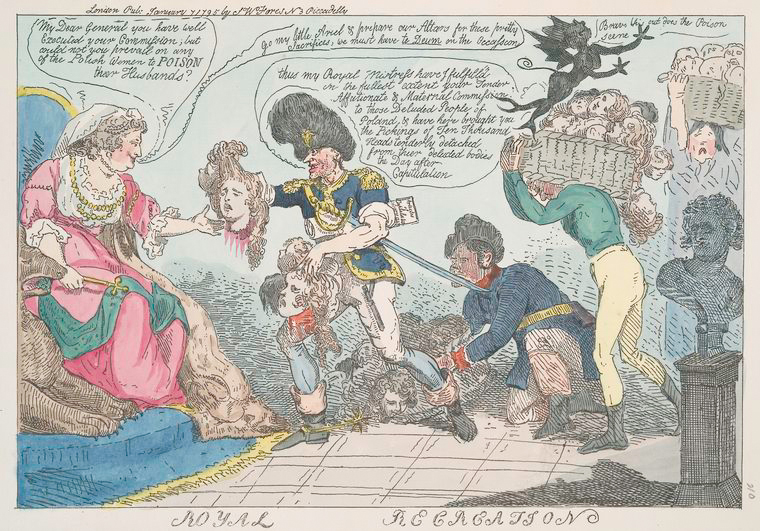
Na rysunku widać trzech mężczyzn niosących ludzkie głowy w celu wręczenia ich siedzacej na tronie kobiecie w sukni
4.11.1794 – Some sort of devilish lust for destruction…
This is what journalist Bruno Korotyński wrote in 1924 about the slaughter in Warsaw’s Praga district. It was one of the last, and at the same time most tragic, episodes of the Kościuszko Uprising. On 4 November 1794, after the Polish army had been defeated, Cossacks slaughtered about 20,000 civ
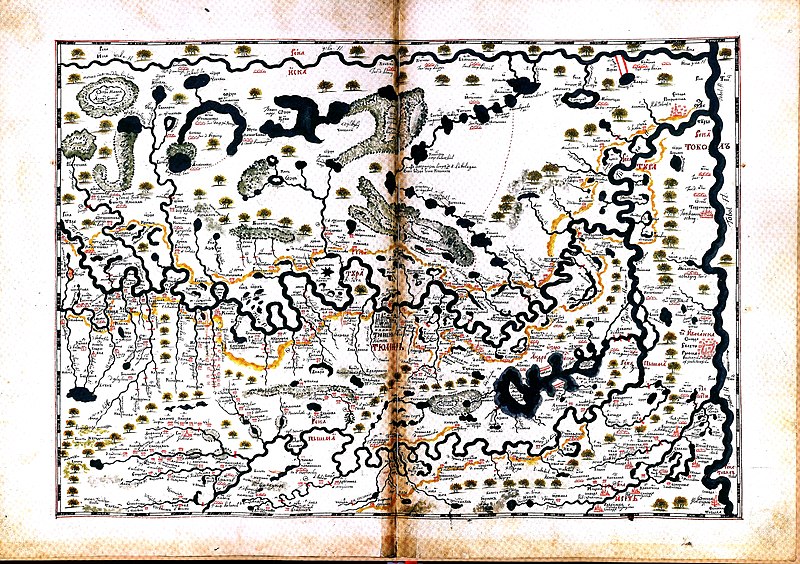
Na zdjęciu jest odręcznie wykonany plan miejscowości
26.06.1579 – The first exiles of the Polish Republic
The first Siberian fortresses were built by Polish prisoners of war who had been taken captive by Moscow authorities precisely during the war initiated by Stefan Batory.