



Logo Muzeum Pamięci Sybiru w Białymstoku
Logo Centrum Mieroszewskiego
Logo Muzeum Pamięci Sybiru w Białymstoku
szukaj - search

Pokaż więcej wyników

Generic selectors
Exact matches only
Search in title
Search in content
Post Type Selectors
"><font style="vertical-align: inherit
Logo Muzeum Pamięci Sybiru w Białymstoku
Logo Centrum Mieroszewskiego
Logo Muzeum Pamięci Sybiru w Białymstoku
szukaj - search

Pokaż więcej wyników

Generic selectors
Exact matches only
Search in title
Search in content
Post Type Selectors
"><font style="vertical-align: inherit
Logo Muzeum Pamięci Sybiru w Białymstoku
Logo Centrum Mieroszewskiego
szukaj - search

Pokaż więcej wyników

Generic selectors
Exact matches only
Search in title
Search in content
Post Type Selectors
"><font style="vertical-align: inherit

TIMELINE

Na zdjęciu widać metalowy garnek stojący na drewnianej ławie
29.06.1940 – The third Soviet deportation
Helena Grodecka-Możdżeniowa, was one of about 90,000 victims of the third great deportation, which began on 29 June 1940. Most of those deported were refugees from the German occupation, mostly Jews. Poles accounted for about 11 per cent.
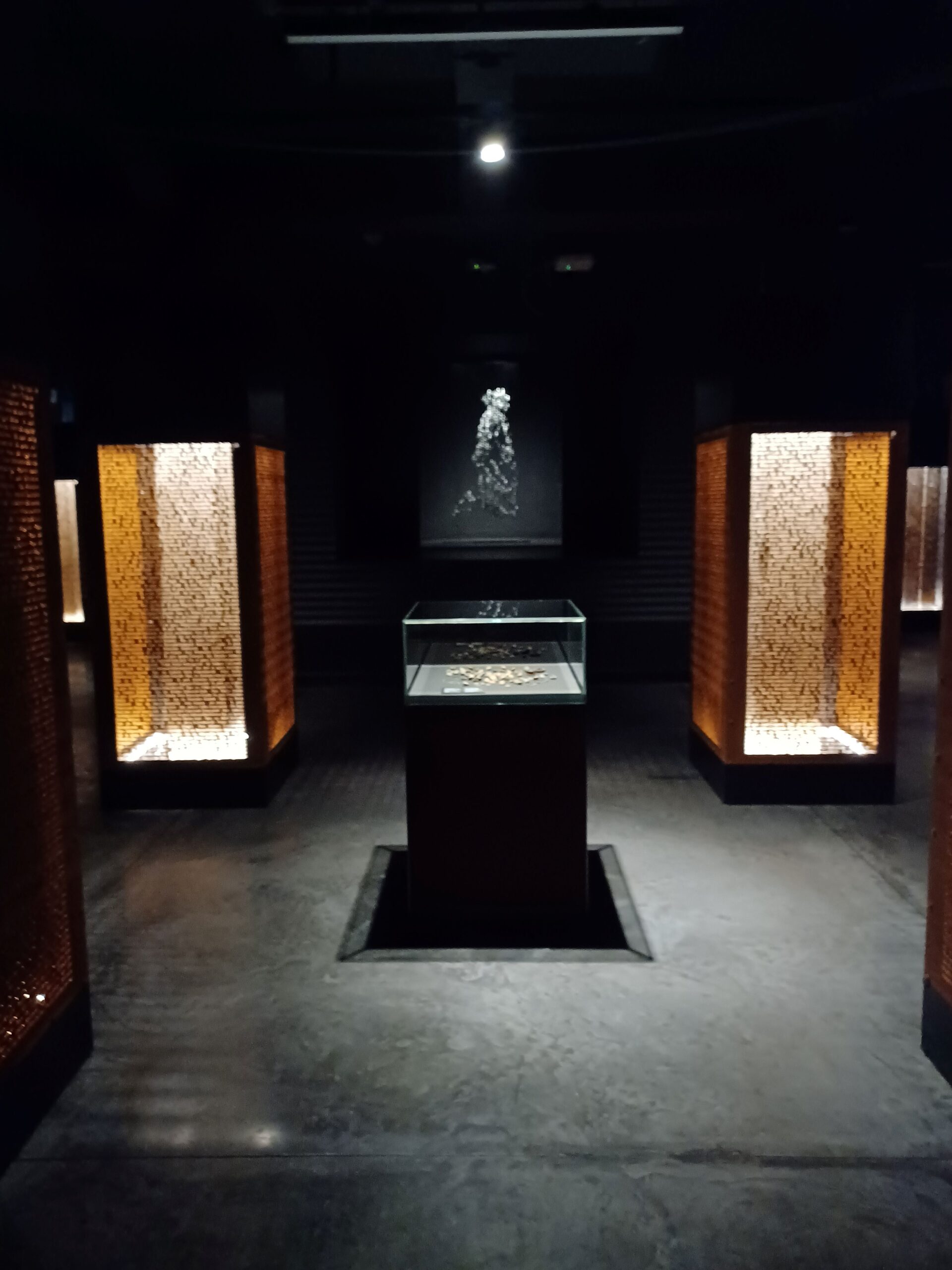
Zdjęcie przedstawia wnętrze ciemnego pomieszczenia oświetlonego punktowym światłem
3.04.1940 – The first “death transport” from Kozelsk
On April 3,1940, the first “death transport” of Polish prisoners of war set off from the Kozelsk camp.
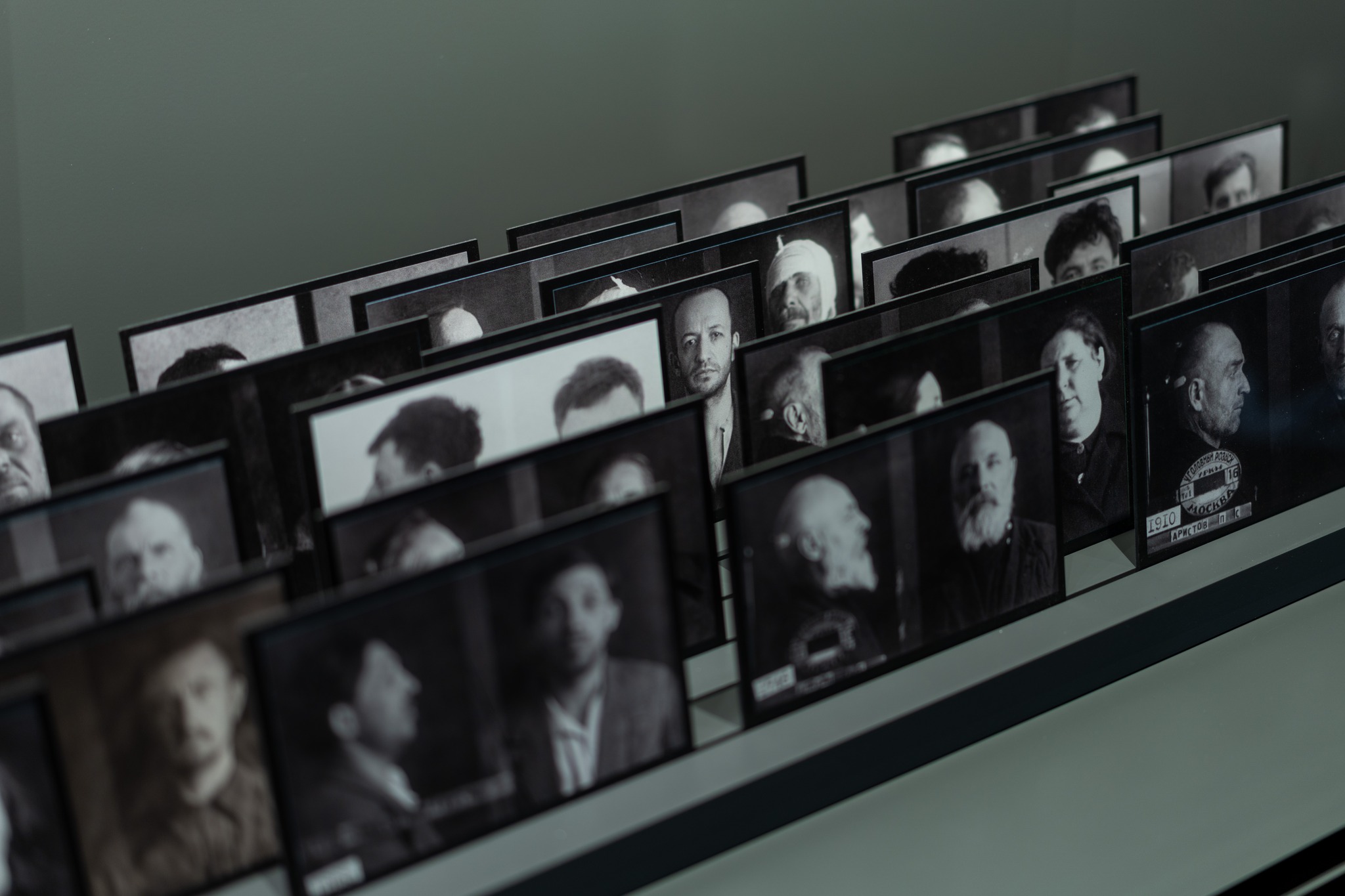
Na fotografii widac kilkanaście zdjęć portretowych ludzi w ujęciach z boku i en face.
4.02.1940 – Execution of the “Bloody Dwarf”
On 4 February 1940 (presumably!), Nikolai Yezhov, one of the cruellest perpetrators of Stalinist terror, was executed.
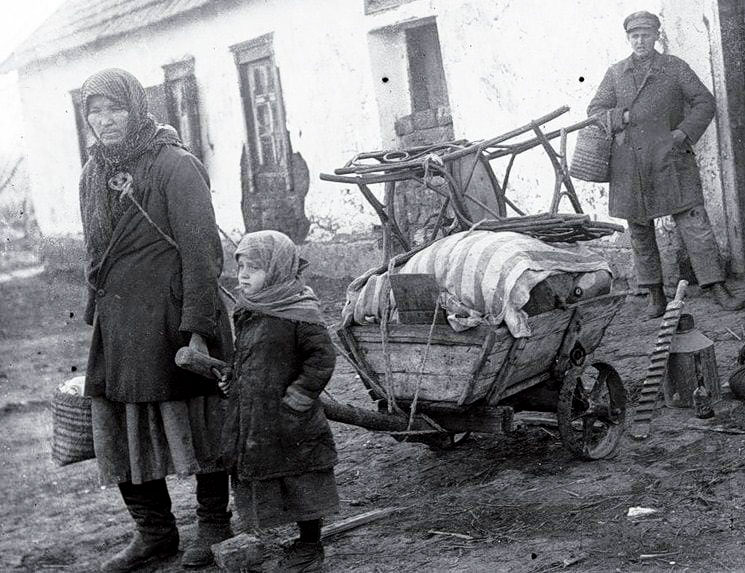
Na zdjęciu widac kobietę z dzieckiem ciągnącą wózek z dobytkiem
30.01.1930 – The kulak deportation
On 30 January 1930, the Politburo of the Central Committee of the All-Union Communist Party (Bolsheviks) decided to launch the largest resettlement operation in the entire history of the Soviet Union, still referred to today as the 'kulak deportation'.
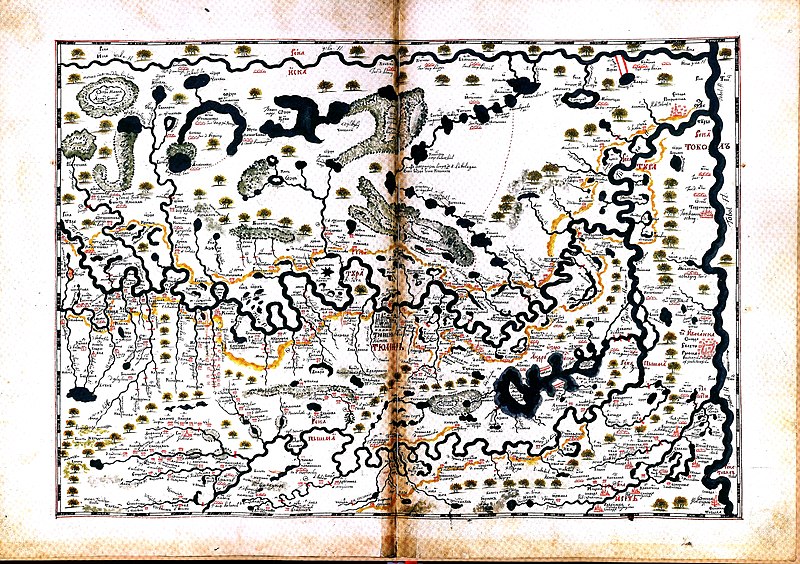
Na zdjęciu jest odręcznie wykonany plan miejscowości
26.06.1579 – The first exiles of the Polish Republic
The first Siberian fortresses were built by Polish prisoners of war who had been taken captive by Moscow authorities precisely during the war initiated by Stefan Batory.