


TIMELINE
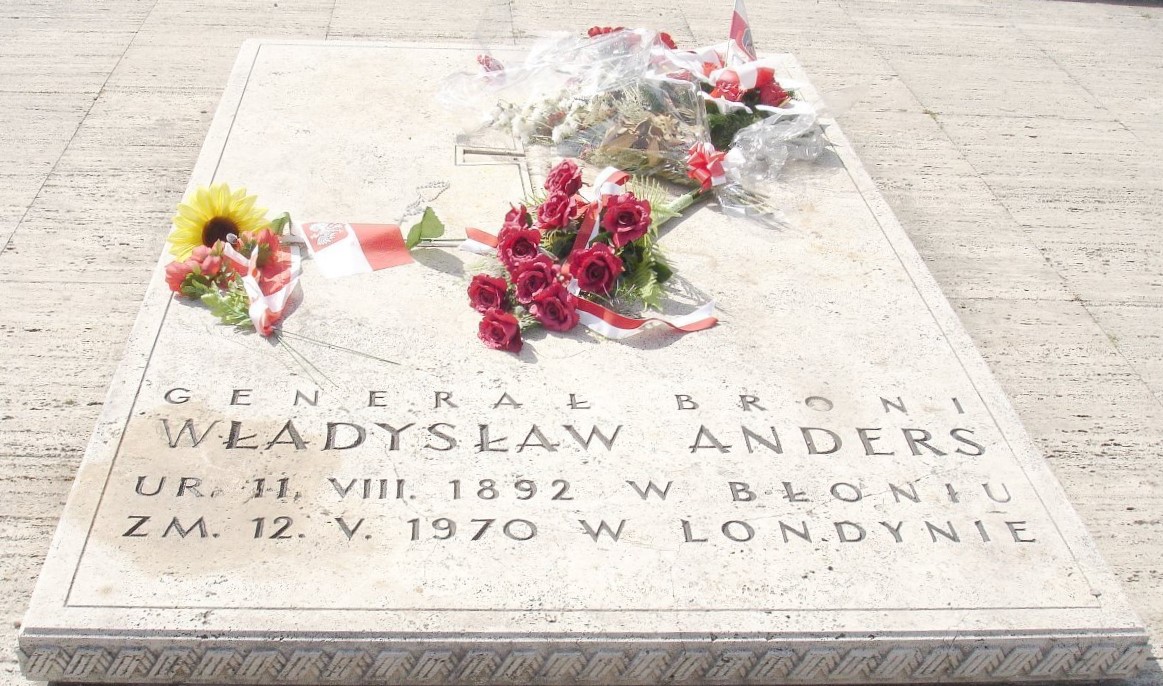
12.05.1970 – Death of General Władysław Anders
On May 12, 1970, General Władysław Anders, Commander-in-Chief of the Polish Armed Forces in 1944-1945, died in exile in London.
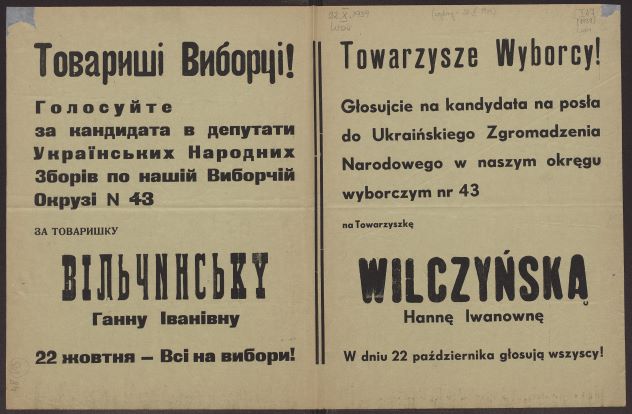
22.10.1939 – “Elections” in the Soviet Way
On 22 October 1939 the Soviets organised elections of delegates to the so-called people’s assemblies in the annexed Eastern Borderlands (Kresy) of the Second Polish Republic. After a rapid propaganda campaign accompanied by terror and violence, the “vote” took place.
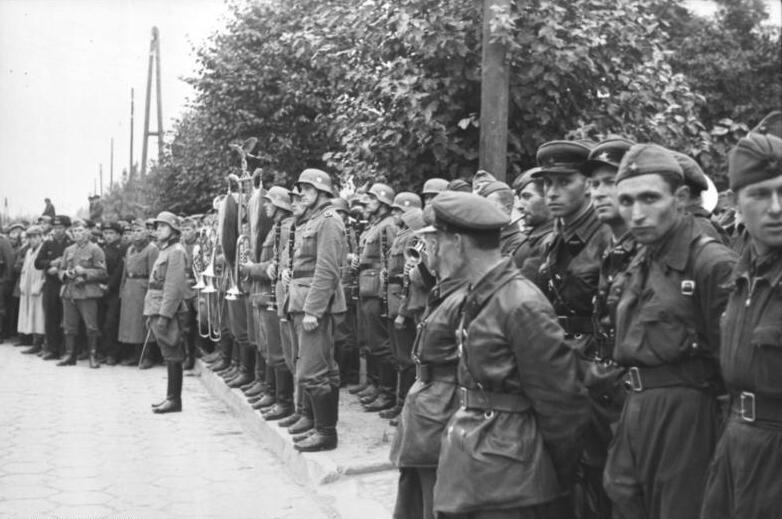
22.09.1939 – Parade of “Friends”
The parade on Unia Lubelska Street in Brest began at 4pm on 22 September 1939 and lasted only about 45 minutes. That was enough time to show the whole world the newly formed alliance of the Soviet Union and Nazi Germany.
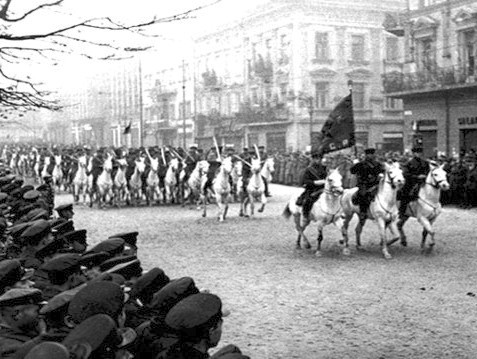
17.09.1939 – Soviet aggression against Poland
The Soviet Union's invasion of Poland on 17 September 1939 came as a shock to Polish society. For several days the country had been defending itself against the German invasion.
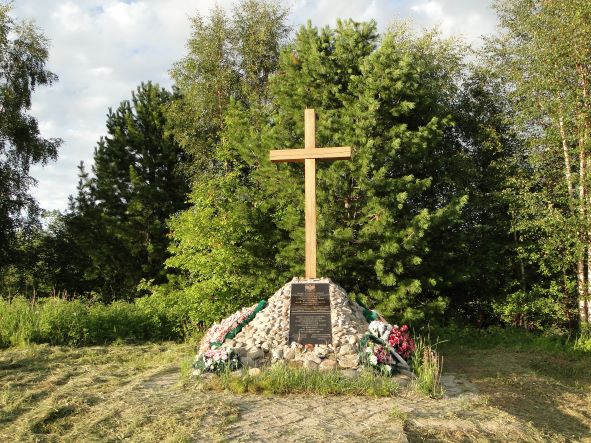
6.07.1866 – Polish Uprising beyond Lake Baikal
On the night of 6 to 7 July (24/25 June old style) 1866, 5,000 kilometres east of their homeland, a group of January insurgents sent to Baikal for penal labour stirred up a rebellion, disarmed their guards and tried to forge an escape route to Mongolia.
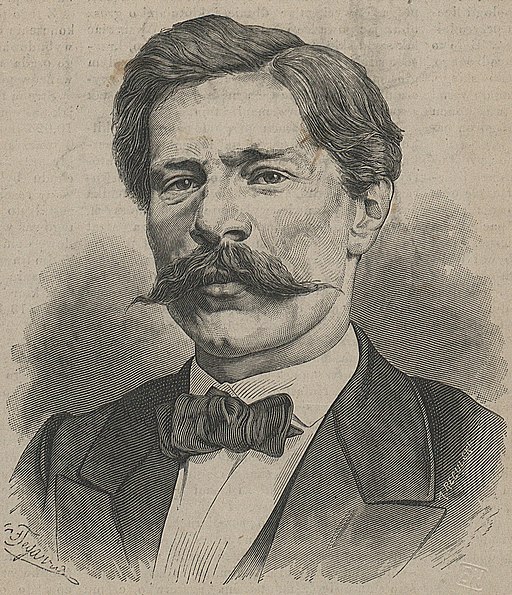
12.02.1833 – Glass and eye
On 12 February 1833, Aleksander Czekanowski was born in Krzemieniec in Volhynia. He trained as a geologist, but was not given the freedom to pursue his career as he was sent to Siberia at the age of 30 for taking part in the January Uprising.
