


TIMELINE
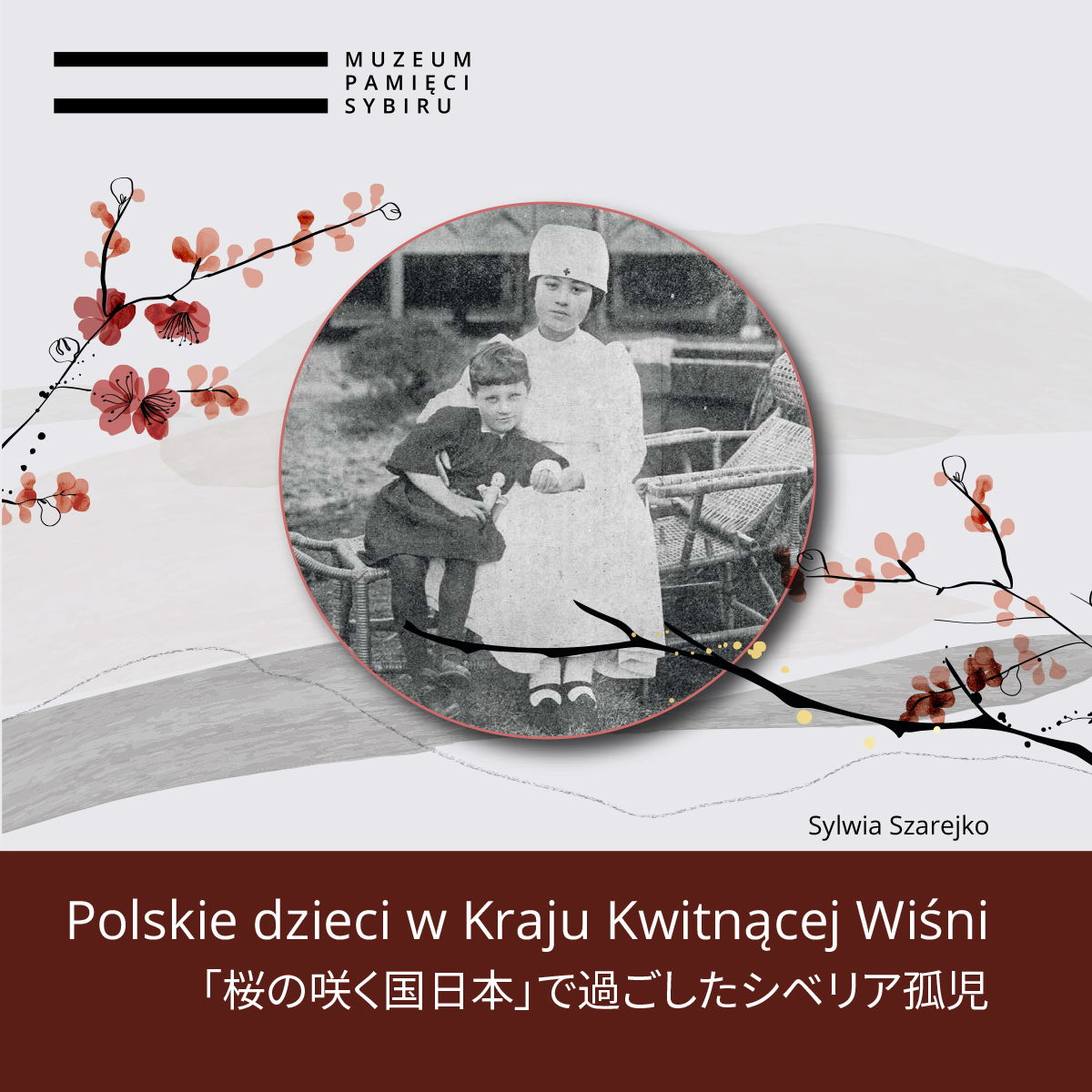
23.07.1920 – Japanese help for Polish children
On 23 July 1920, the first ship from Vladivostok with Polish children evacuated from Siberia arrived in Tsuruga, Japan. By 1922, a total of more than 700 kids had arrived in the Land of the Cherry Blossom. Their first stops were the cities of Tsuruga and Osaka.
10.01.1920 – The capitulation of the 5th Siberian Division
Volunteer Polish units in Siberia began to organise as early as the turn of 1917/1918.
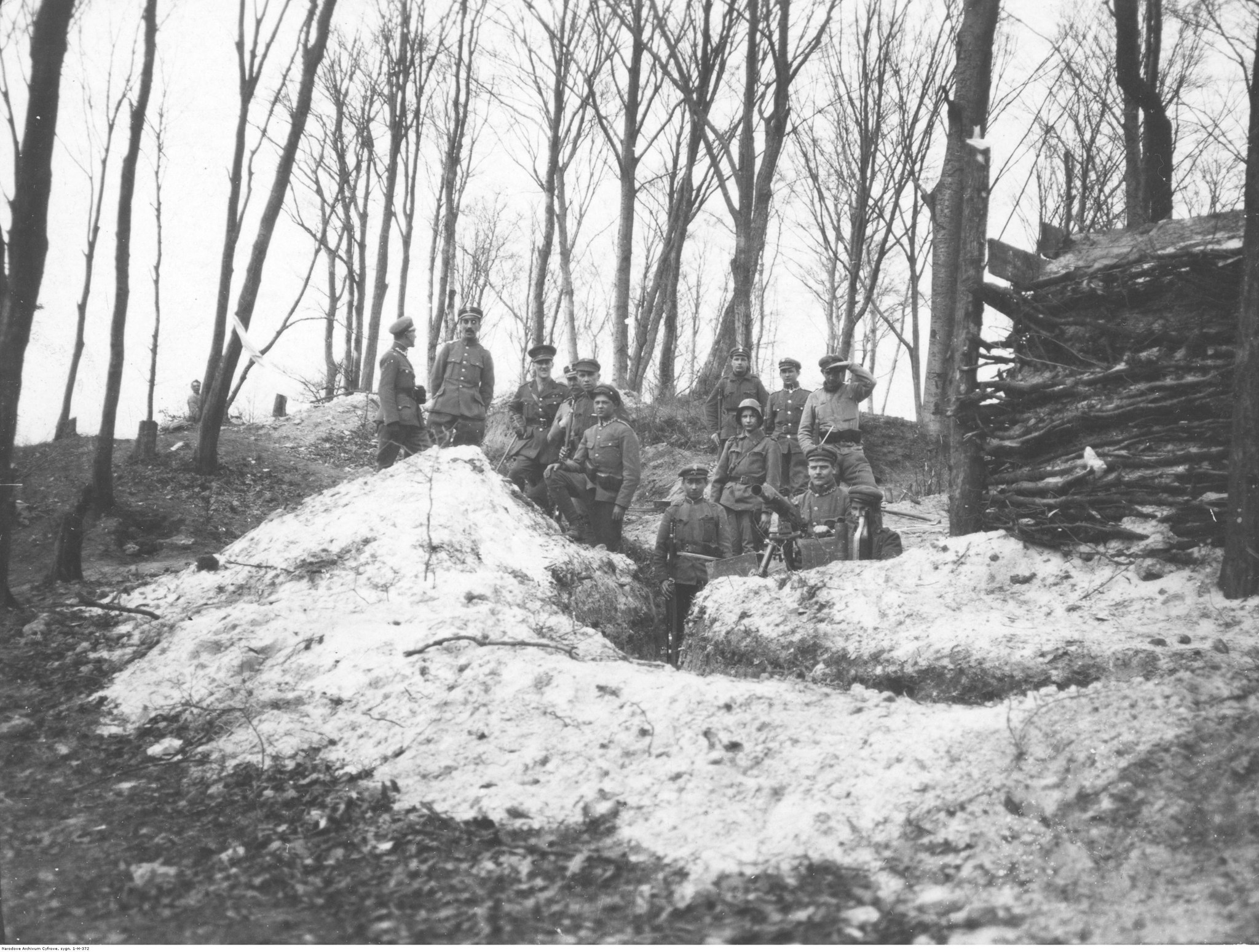
14.02.1919 – The war started in Mosty
The Polish-Bolshevik war broke out on 14 February 1919. The site of the first confrontation was the town of Mosty near Szczuczyn in the Grodno region, where Polish Army units halted the Red Army’s march.
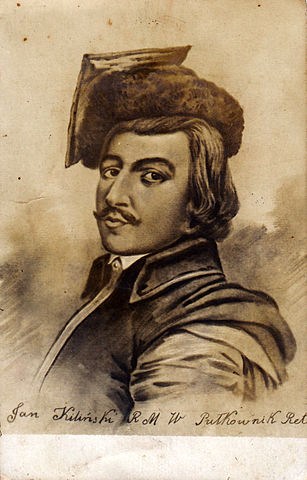
28.01.1819 – Jan Kiliński, ordinary shoemaker – great man
Jan Kiliński - a shoemaker, Warsaw councillor, one of the commanders fighting in the Kościuszko Insurrection, a symbol of patriotism, today the patron of numerous streets, schools, scout troops... He is less known as an exile to Siberia.
