

Logo Muzeum Pamięci Sybiru w Białymstoku
Logo Centrum Mieroszewskiego
Logo Muzeum Pamięci Sybiru w Białymstoku
szukaj - search

Pokaż więcej wyników

Generic selectors
Exact matches only
Search in title
Search in content
Post Type Selectors
"><font style="vertical-align: inherit
Logo Muzeum Pamięci Sybiru w Białymstoku
Logo Centrum Mieroszewskiego
Logo Muzeum Pamięci Sybiru w Białymstoku
szukaj - search

Pokaż więcej wyników

Generic selectors
Exact matches only
Search in title
Search in content
Post Type Selectors
"><font style="vertical-align: inherit
Logo Muzeum Pamięci Sybiru w Białymstoku
Logo Centrum Mieroszewskiego
szukaj - search

Pokaż więcej wyników

Generic selectors
Exact matches only
Search in title
Search in content
Post Type Selectors
"><font style="vertical-align: inherit

TIMELINE

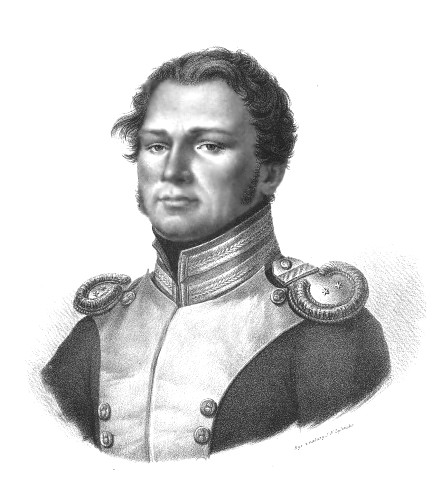
Litografia przedstawia mężczyznę w mundurze podpisana: Piotr Wysocki, dn. 29 listop. 1830 r. w Warszawie w lito. T. Vivier
30.11.1830 – The outbreak of the November Uprising
“Poles! The hour of vengeance has come. Today die or prevail! Let us go, and let your breasts be Thermopylae for your enemies!”
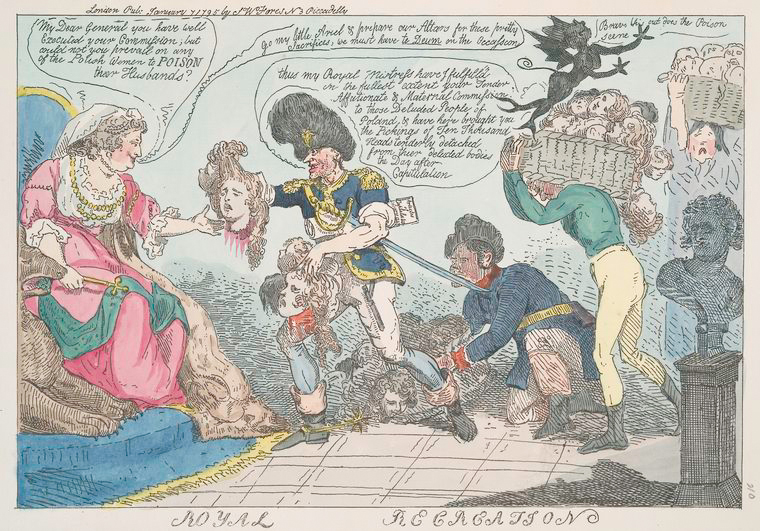
Na rysunku widać trzech mężczyzn niosących ludzkie głowy w celu wręczenia ich siedzacej na tronie kobiecie w sukni
4.11.1794 – Some sort of devilish lust for destruction…
This is what journalist Bruno Korotyński wrote in 1924 about the slaughter in Warsaw’s Praga district. It was one of the last, and at the same time most tragic, episodes of the Kościuszko Uprising. On 4 November 1794, after the Polish army had been defeated, Cossacks slaughtered about 20,000 civ