


TIMELINE
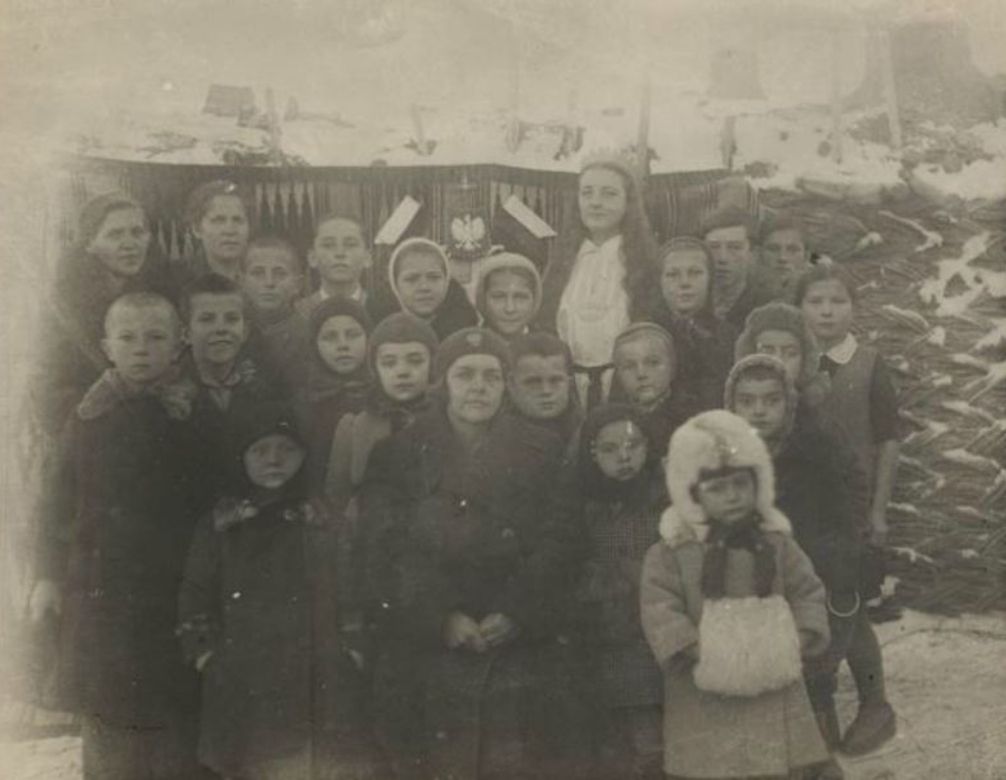
11.11.1941 – Polish Independence Day on the Irtysh River
The date of 11 November 1918, being the day on which Poland regained its independence, is a symbolic date. Exactly on that day, an armistice ending the First World War was concluded in a wagon in the forest of Compiègne.
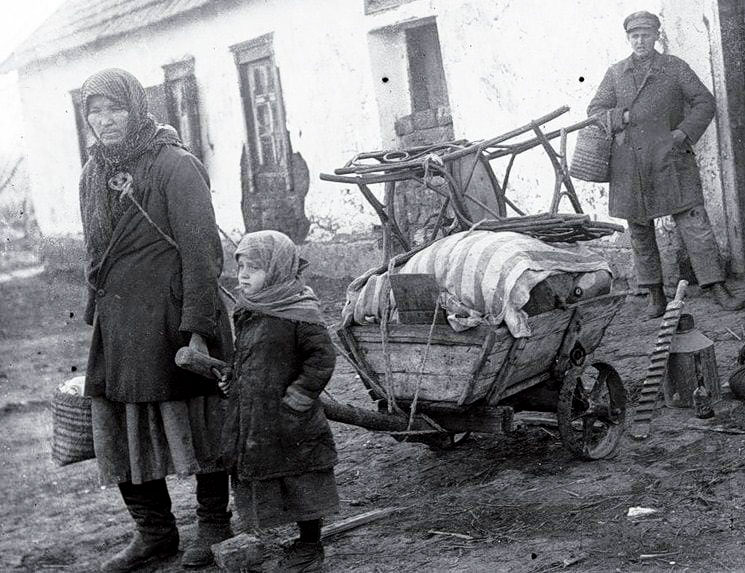
30.01.1930 – The kulak deportation
On 30 January 1930, the Politburo of the Central Committee of the All-Union Communist Party (Bolsheviks) decided to launch the largest resettlement operation in the entire history of the Soviet Union, still referred to today as the 'kulak deportation'.
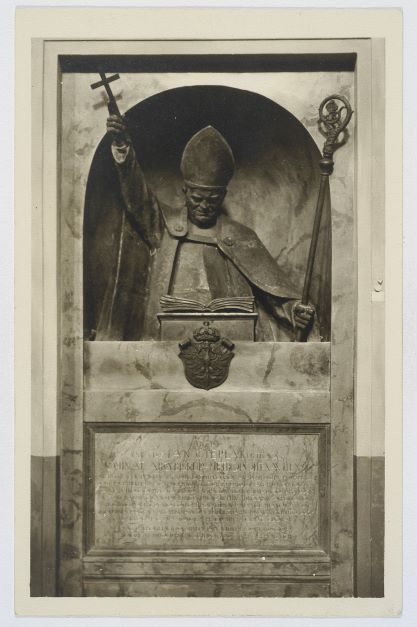
17.02.1926 – Unexpected death of the metropolitan
Father Jan Cieplak was auxiliary bishop of the Mogilev archdiocese, at that time the largest Roman Catholic archdiocese in the world, covering the whole of Russia up to Sakhalin.
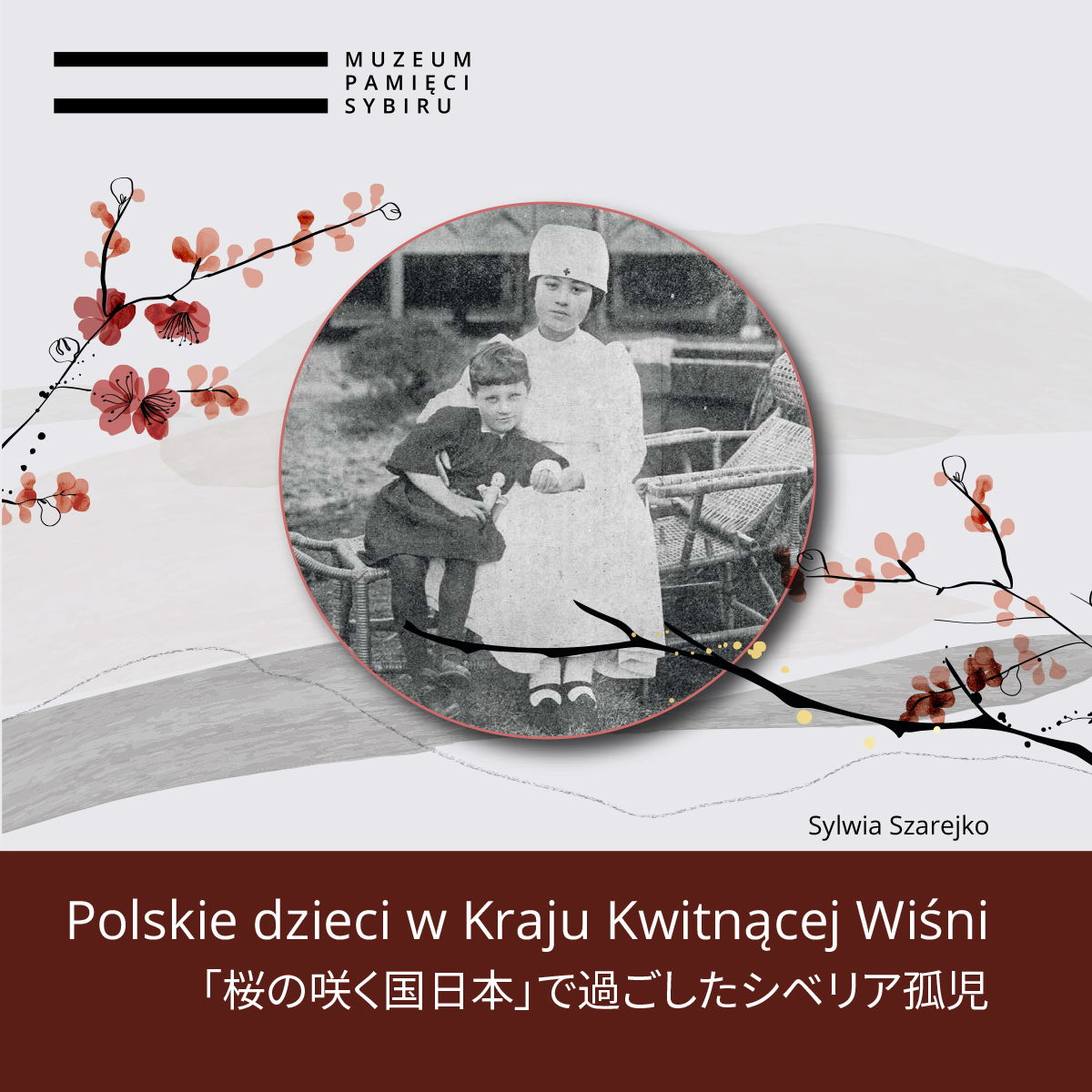
23.07.1920 – Japanese help for Polish children
On 23 July 1920, the first ship from Vladivostok with Polish children evacuated from Siberia arrived in Tsuruga, Japan. By 1922, a total of more than 700 kids had arrived in the Land of the Cherry Blossom. Their first stops were the cities of Tsuruga and Osaka.
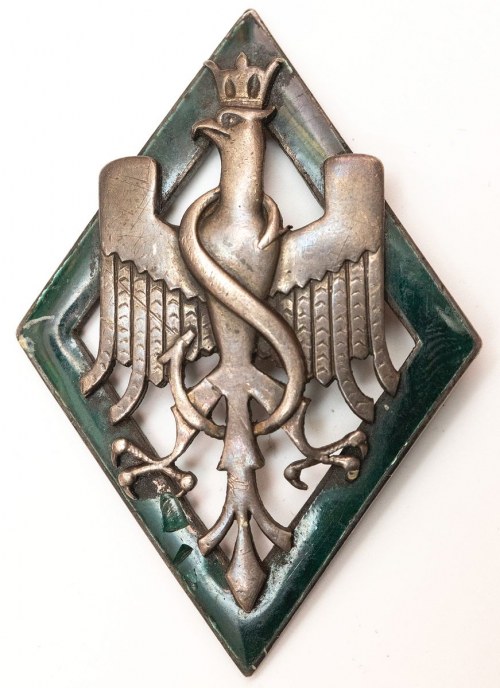
10.01.1920 – The capitulation of the 5th Siberian Division
Volunteer Polish units in Siberia began to organise as early as the turn of 1917/1918.
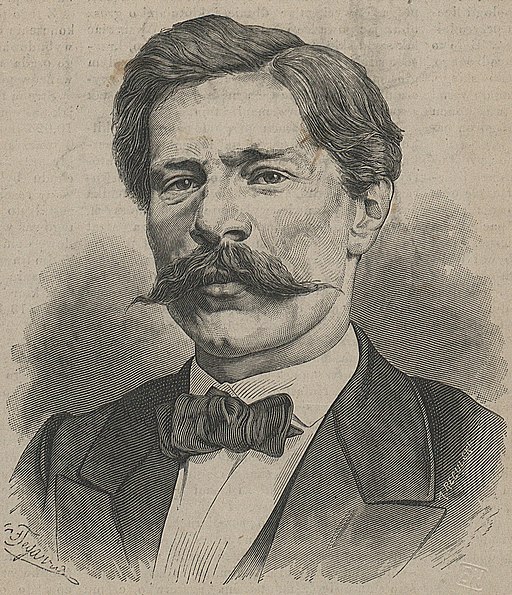
12.02.1833 – Glass and eye
On 12 February 1833, Aleksander Czekanowski was born in Krzemieniec in Volhynia. He trained as a geologist, but was not given the freedom to pursue his career as he was sent to Siberia at the age of 30 for taking part in the January Uprising.
