


TIMELINE
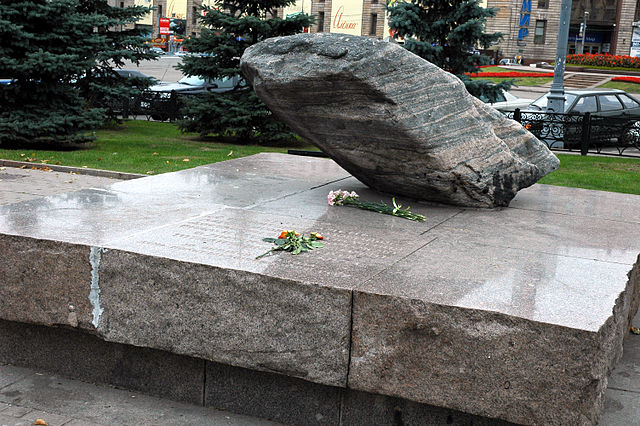
30.10.1989 – Russian Day of Remembrance for Victims of Political Repressions
On October 30, 1989 three thousand people with candles in their hands surrounded the KGB building in Moscow. They wanted to show they remember about the victims of the Stalin crimes.

29.06.1940 – The third Soviet deportation
Helena Grodecka-Możdżeniowa, was one of about 90,000 victims of the third great deportation, which began on 29 June 1940. Most of those deported were refugees from the German occupation, mostly Jews. Poles accounted for about 11 per cent.
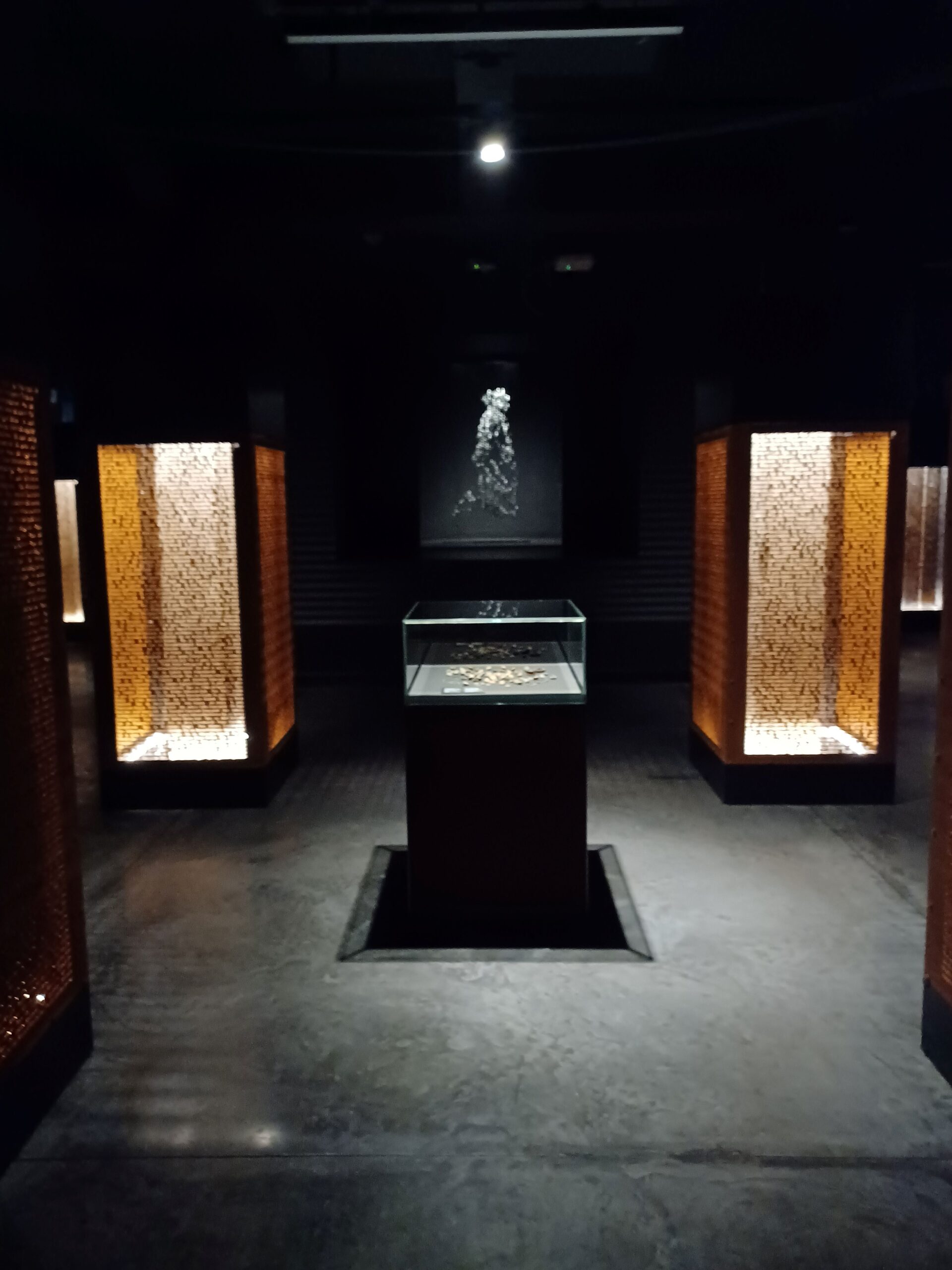
3.04.1940 – The first “death transport” from Kozelsk
On April 3,1940, the first “death transport” of Polish prisoners of war set off from the Kozelsk camp.

4.02.1940 – Execution of the “Bloody Dwarf”
On 4 February 1940 (presumably!), Nikolai Yezhov, one of the cruellest perpetrators of Stalinist terror, was executed.
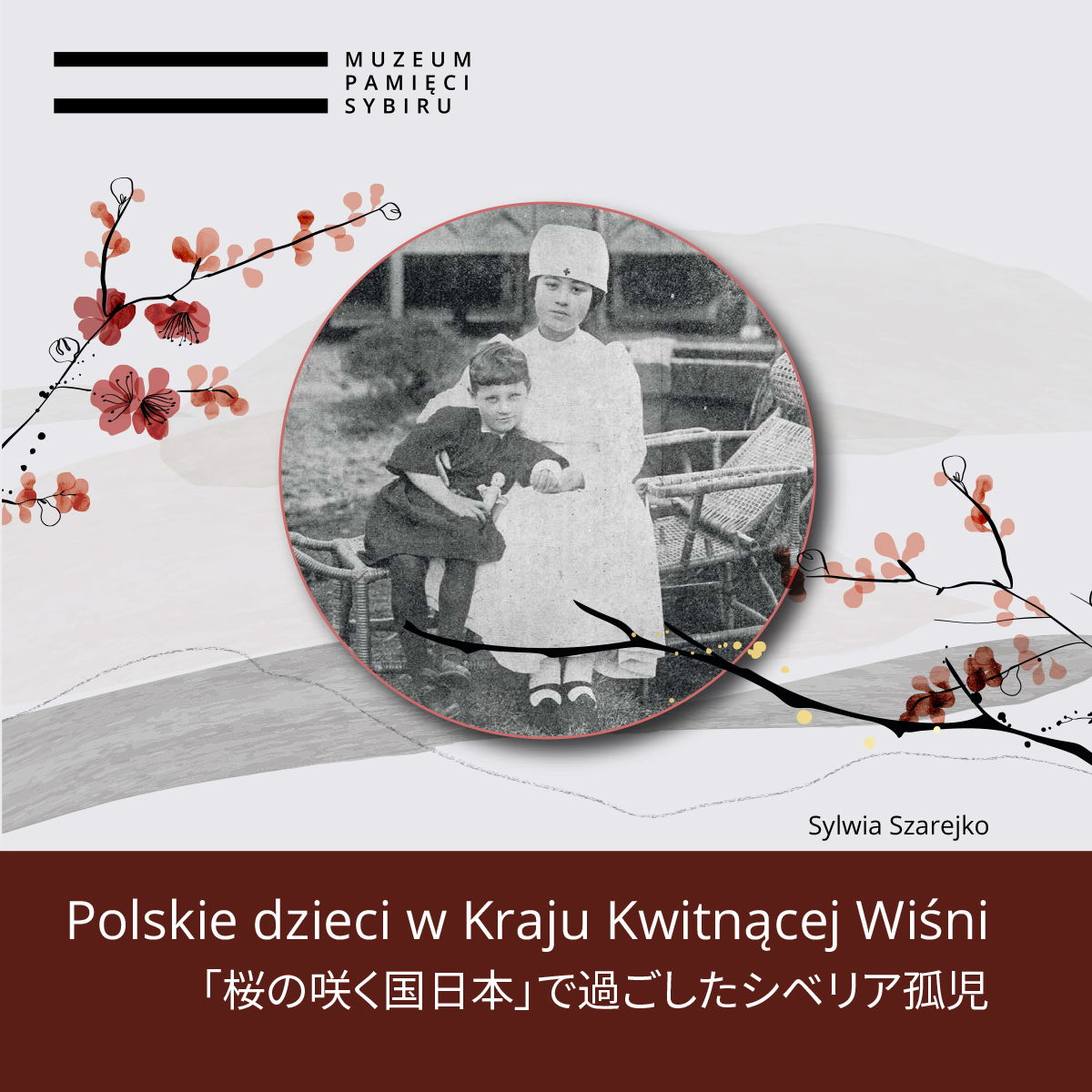
23.07.1920 – Japanese help for Polish children
On 23 July 1920, the first ship from Vladivostok with Polish children evacuated from Siberia arrived in Tsuruga, Japan. By 1922, a total of more than 700 kids had arrived in the Land of the Cherry Blossom. Their first stops were the cities of Tsuruga and Osaka.
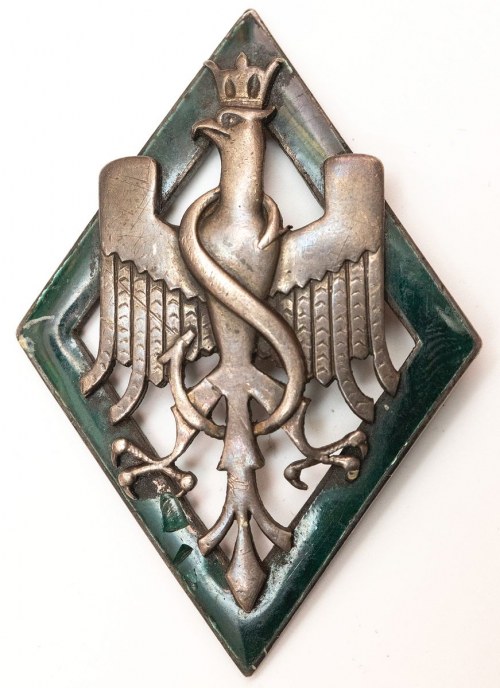
10.01.1920 – The capitulation of the 5th Siberian Division
Volunteer Polish units in Siberia began to organise as early as the turn of 1917/1918.
