

TIMELINE
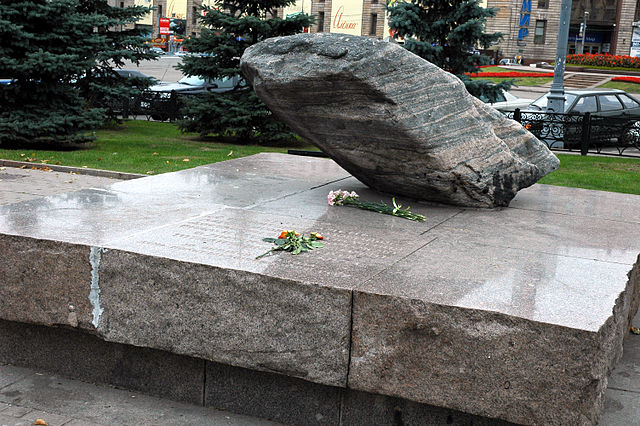
30.10.1989 – Russian Day of Remembrance for Victims of Political Repressions
On October 30, 1989 three thousand people with candles in their hands surrounded the KGB building in Moscow. They wanted to show they remember about the victims of the Stalin crimes.
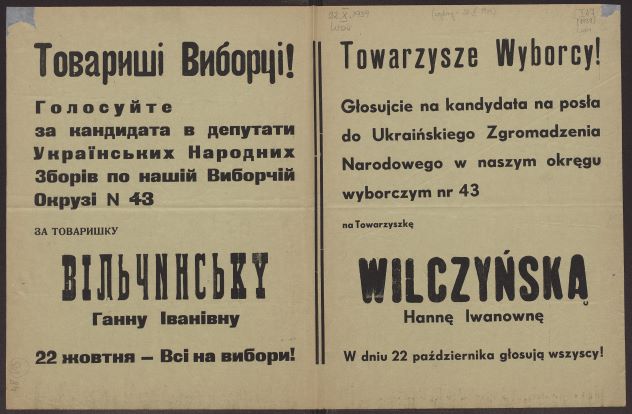
22.10.1939 – “Elections” in the Soviet Way
On 22 October 1939 the Soviets organised elections of delegates to the so-called people’s assemblies in the annexed Eastern Borderlands (Kresy) of the Second Polish Republic. After a rapid propaganda campaign accompanied by terror and violence, the “vote” took place.
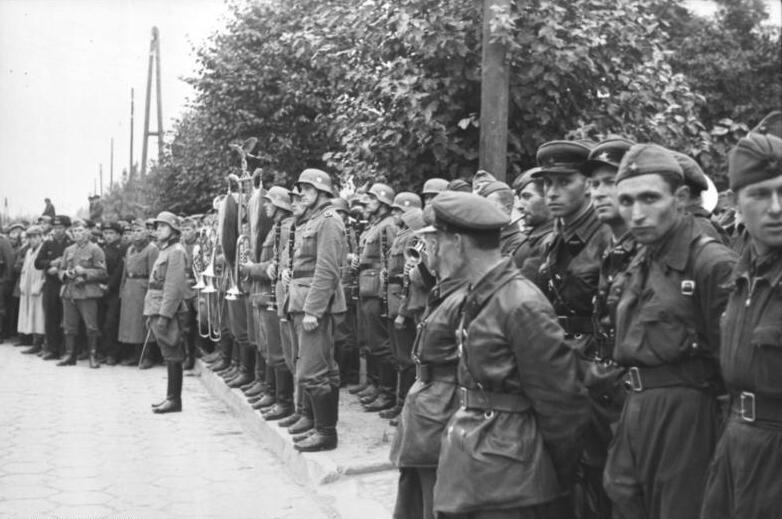
22.09.1939 – Parade of “Friends”
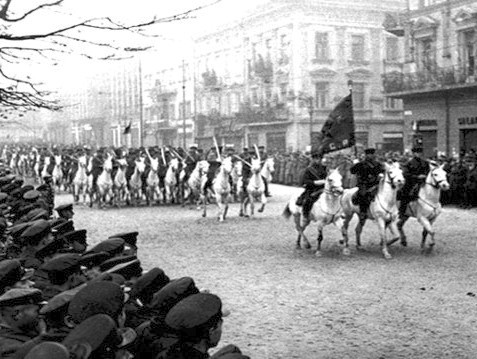
The parade on Unia Lubelska Street in Brest began at 4pm on 22 September 1939 and lasted only about 45 minutes. That was enough time to show the whole world the newly formed alliance of the Soviet Union and Nazi Germany.
17.09.1939 – Soviet aggression against Poland
The Soviet Union's invasion of Poland on 17 September 1939 came as a shock to Polish society. For several days the country had been defending itself against the German invasion.
23.07.1920 – Japanese help for Polish children
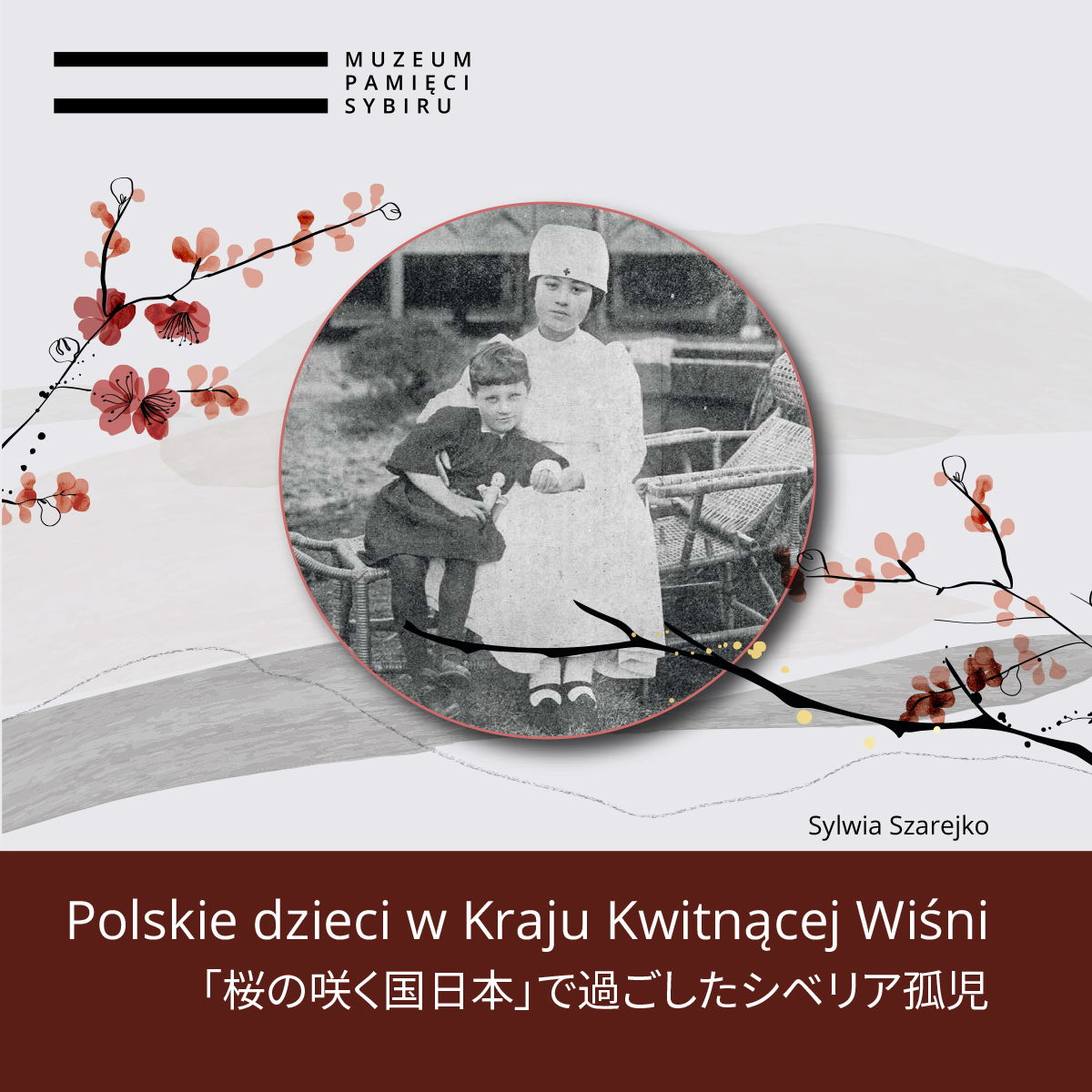
On 23 July 1920, the first ship from Vladivostok with Polish children evacuated from Siberia arrived in Tsuruga, Japan. By 1922, a total of more than 700 kids had arrived in the Land of the Cherry Blossom. Their first stops were the cities of Tsuruga and Osaka.
10.01.1920 – The capitulation of the 5th Siberian Division
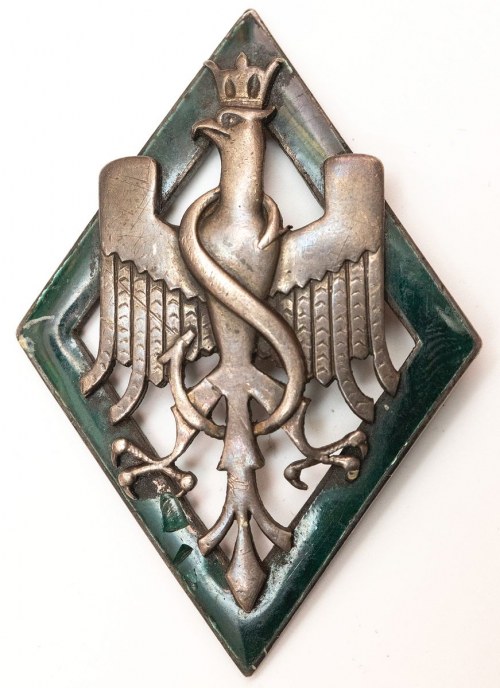
Volunteer Polish units in Siberia began to organise as early as the turn of 1917/1918.
