



Remembering the Gulag
Elena Racheva: ‘I don’t want anything. I won’t say anything’, the old man blurted out. ‘If I tell you, you’ll leave, and then what? They’ll send me back to the camps?’ – Elena Racheva writes about the complicated memory of GULag in modern Russia.
What can literature do?
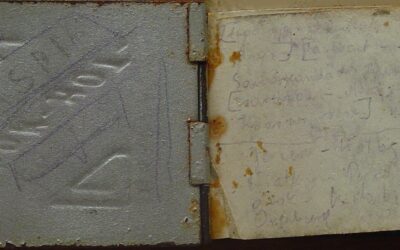
Włodzimierz Bolecki: If Mackiewicz’s and Herling’s books had been confined to recording Soviet crimes, they would probably have been mere illustrations of the information that circulated in the international public sphere at the time. Meanwhile, both Mackiewicz and Herling wrote their books with the intention of showing the reality they encountered in the Soviets as a universal threat to all people. They treated Katyn and Yertsevo as names whose horror should speak to every human being.

The Children from “Sybir” in New Zealand
Witold Chmielewski: About 700 Polish children deported in 1940-1941 by Soviets to Sybir, escaped in 1943 to New Zealand…
They Were Too Late to Join Anders’ Army
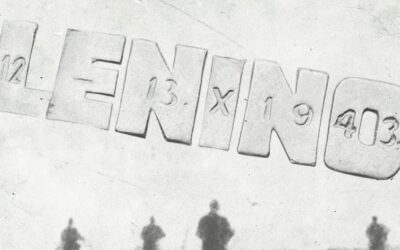
The Tadeusz Kosciuszko 1st Infantry Division, hastily formed in the autumn of 1943 at Lenino, underwent its bloody baptism of fire. Most of the soldiers who had joined its ranks only a few months earlier ended up in the Soviet Union as victims of deportations and...
Sandarmokh. When the Graves Speak
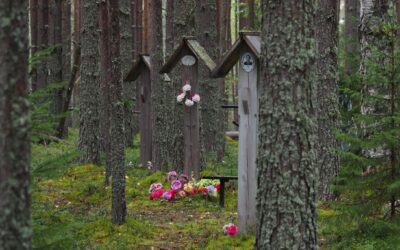
Sergei Lebedev: In the days since 24 February 2022, any discussion of Russia’s future is inextricably linked to the responsibility – political, legal, and moral – for its attack on Ukraine.

Jailed and Their Jailers: The Memory of Victims and Perpetraitors in Modern Russia
Elena Racheva: Stalin’s head was found in the garden. With the tip of his nose broken, with a crack across his cheek, and a half-worn mustache…
Photojournalism: The Kolyma Planet
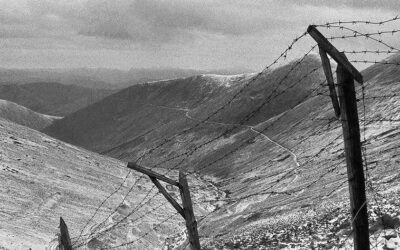
Tomasz Kizny: Kolyma. The first explorer who arrived there was a Polish geologist Jan Czerski, who was sent to Siberia for a participation in the January Uprising. By the end of the 1920s in mountains named after him gold was found. This is how the tragedy of Kolyma began – the largest in terms of forced labour and industry part of the Gulag. It operated on the area of 3 million square kilometres, so on over 10% of the whole area of the USSR.
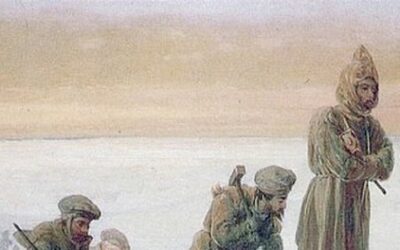
Memories from the Siberian Usol of an exile from 1949
“The Golgotha of the East began for my family (mom, dad, grandma, brother Andrzej and me) on the night of 25.03.1949 in Vilnius…”, recalls a 55-year-old former exile to Eastern Siberia in 2002 who was deported with her entire family when she was just a few years old.
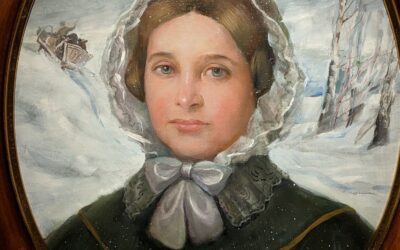
Ewunia Wendorffówna – Ewa Felińska. Scenes from the exile’s biography (part II)
One may ask how it even became possible for a mother of six orphaned by their father children to join Szymon Konarski’s conspiracy? It is hard to believe that, burdened with the responsibility of a large family, she could (wanted to?) devote herself to conspiratorial activities, knowing the consequences, risking the happiness and safety of her own and her loved ones.