


TIMELINE
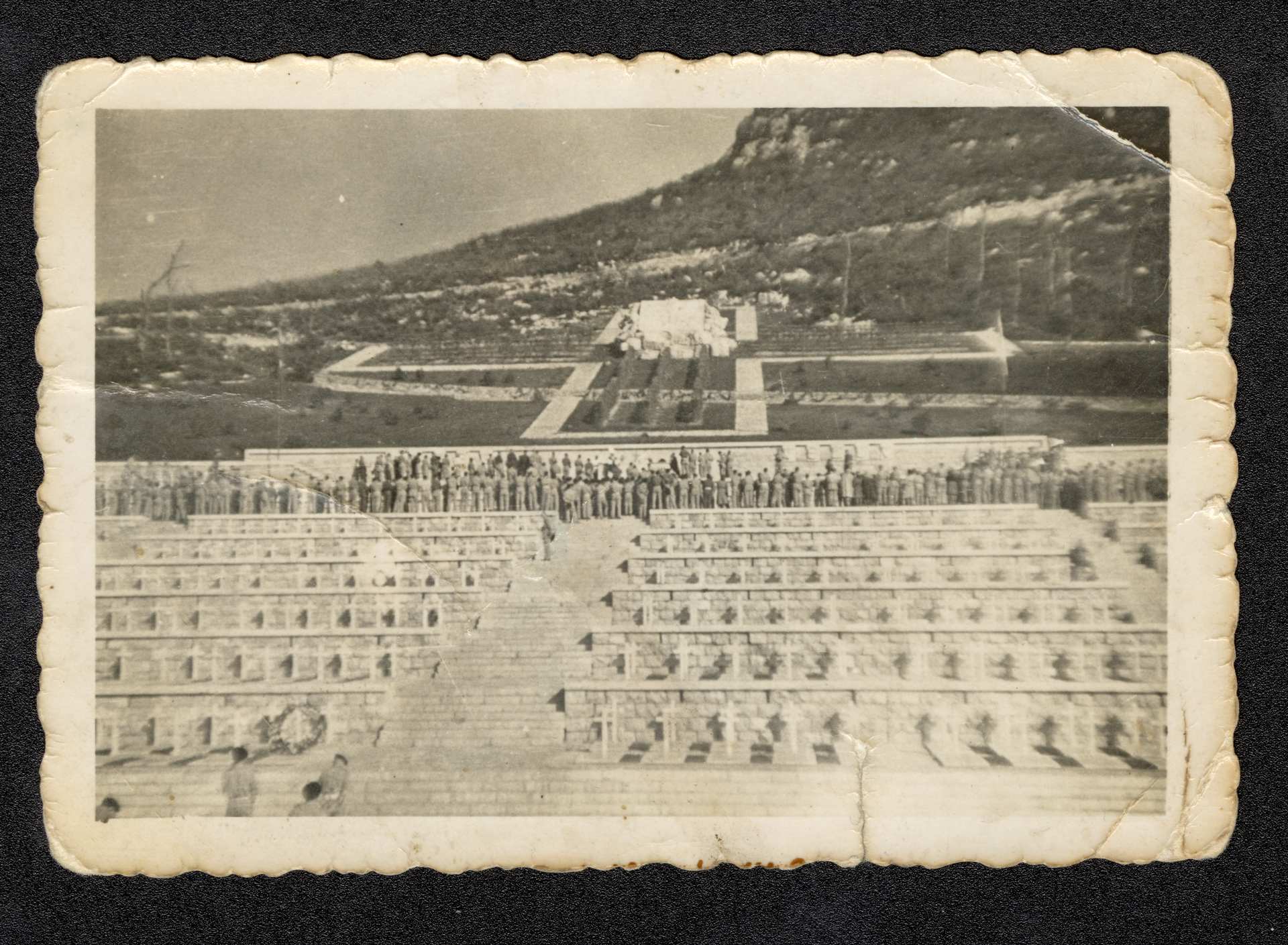
18.05.1944 – The Polish flag and St. Mary’s Trumpet Call on the Monte Cassino hill
On May 18, 1944, soldiers of the 2 Polish Corps hung the Polish flag on the ruins of the Monte Cassino monastery.
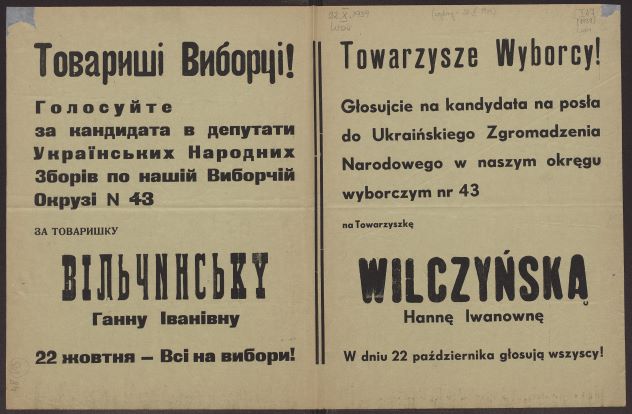
22.10.1939 – “Elections” in the Soviet Way
On 22 October 1939 the Soviets organised elections of delegates to the so-called people’s assemblies in the annexed Eastern Borderlands (Kresy) of the Second Polish Republic. After a rapid propaganda campaign accompanied by terror and violence, the “vote” took place.
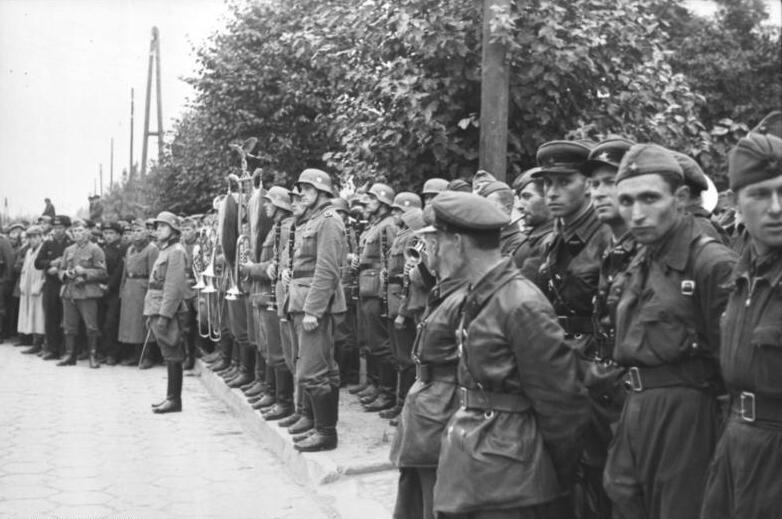
22.09.1939 – Parade of “Friends”
The parade on Unia Lubelska Street in Brest began at 4pm on 22 September 1939 and lasted only about 45 minutes. That was enough time to show the whole world the newly formed alliance of the Soviet Union and Nazi Germany.
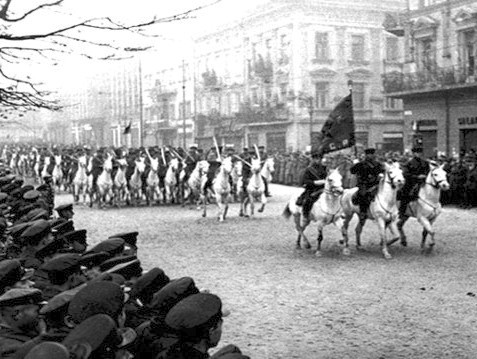
17.09.1939 – Soviet aggression against Poland
The Soviet Union's invasion of Poland on 17 September 1939 came as a shock to Polish society. For several days the country had been defending itself against the German invasion.
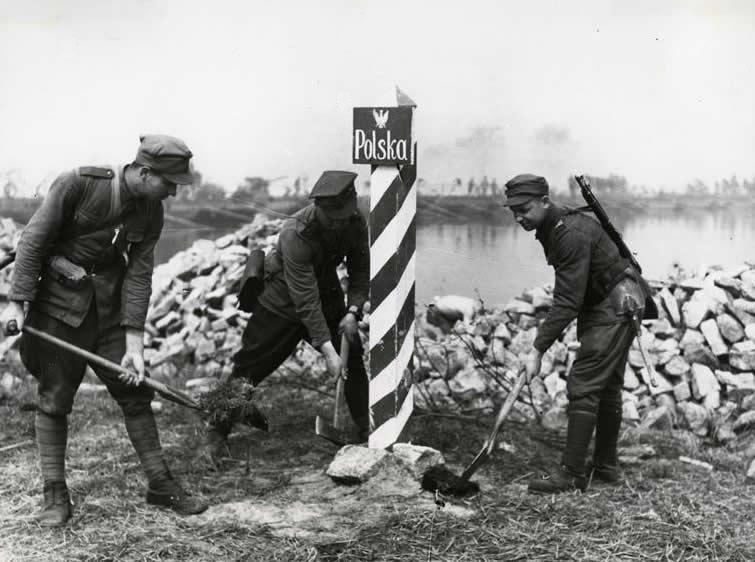
the 16th of April 1945, The Oder was ahead of them
The last weeks of the World War Two in Europe. Last, but critical engagements, and at the same time, more victims. In the morning of 16 April 1945 the operation of crossing the Oder river started, in which soldiers of the First Polish Army took part. Among the Polish units the First Infantry Divisio

The 21st of April 1945, The last victory of the II Corps
After fierce combats in the northern part of the Italian Peninsula, Polish soldiers triumphantly entered Bologna.
