


TIMELINE
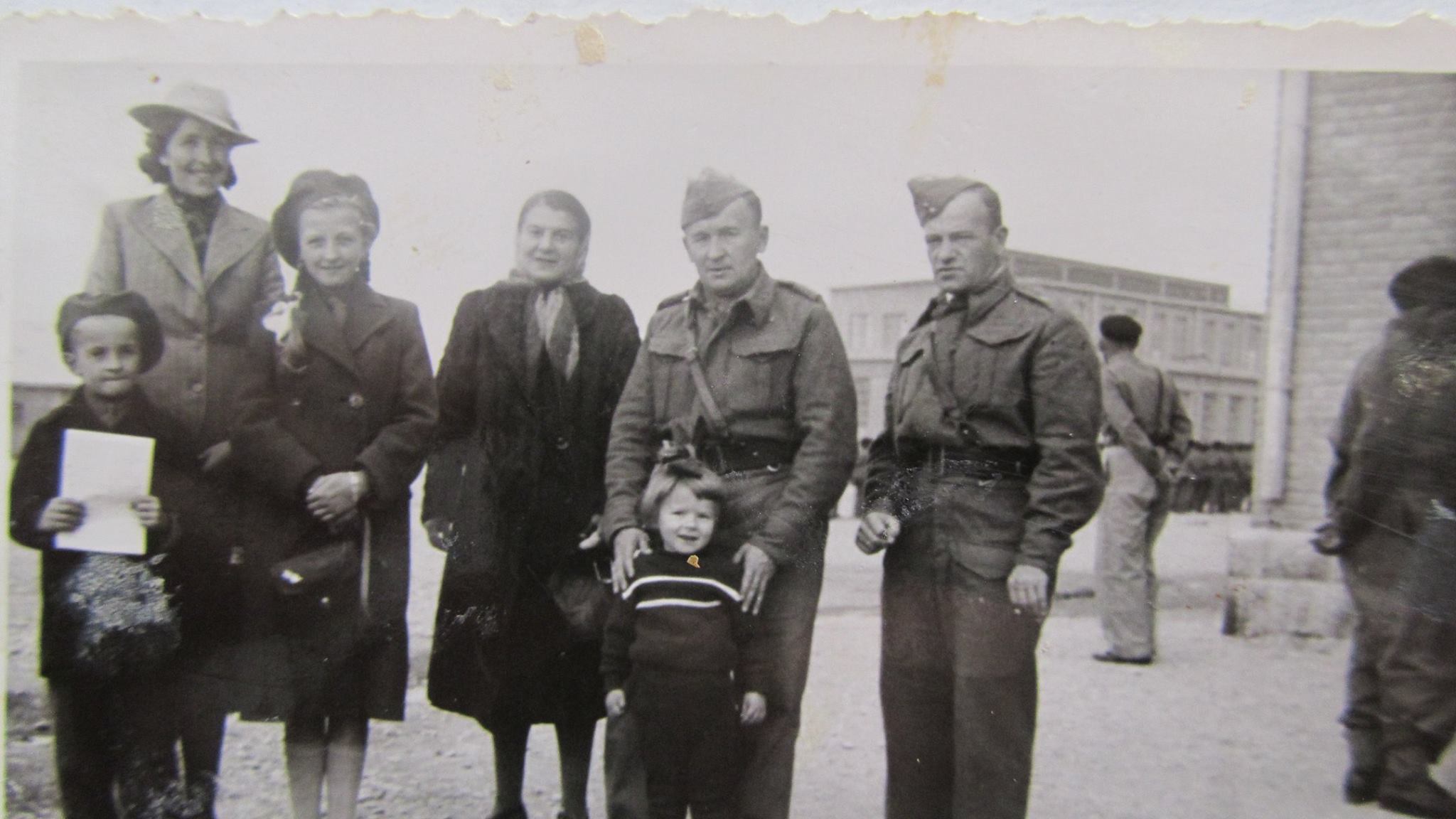
24.03.1942 – “They won their lives” – Evacuation of the Anders’ Army
On 24 March 1942, the first stage of the evacuation of the soldiers serving in the so-called Anders Army from the Soviet Union to Persia began. About 78,000 exiles, who joined the Polish army and 37 thousand civilians, including about 18,000 Polish children were evacuated in total.
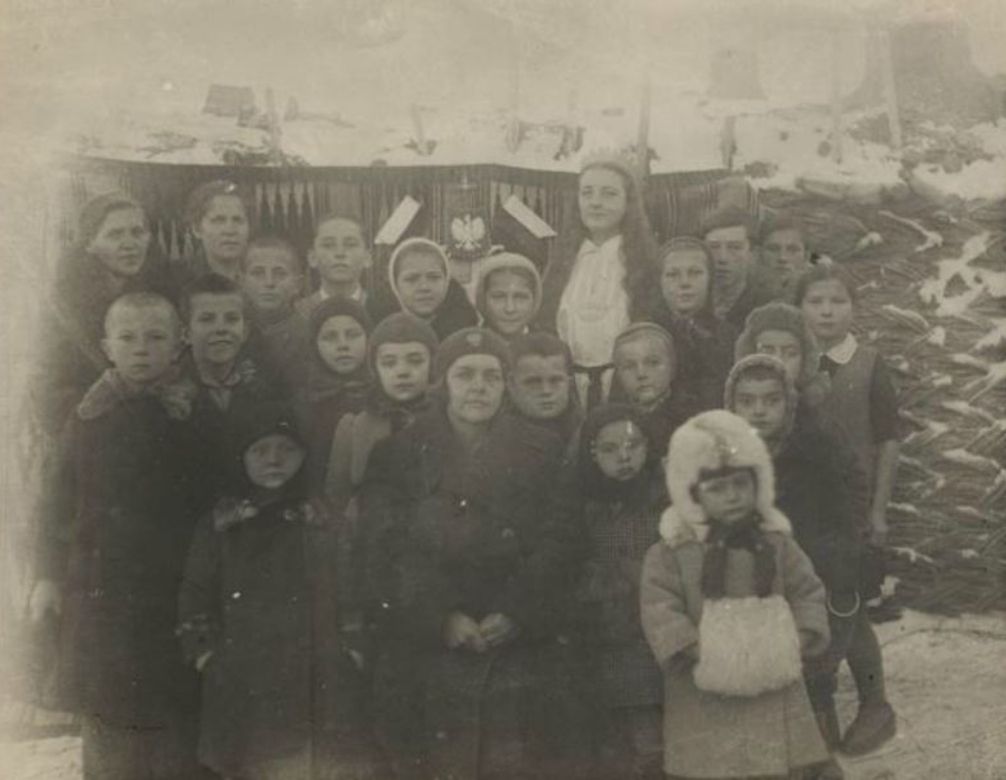
11.11.1941 – Polish Independence Day on the Irtysh River
The date of 11 November 1918, being the day on which Poland regained its independence, is a symbolic date. Exactly on that day, an armistice ending the First World War was concluded in a wagon in the forest of Compiègne.
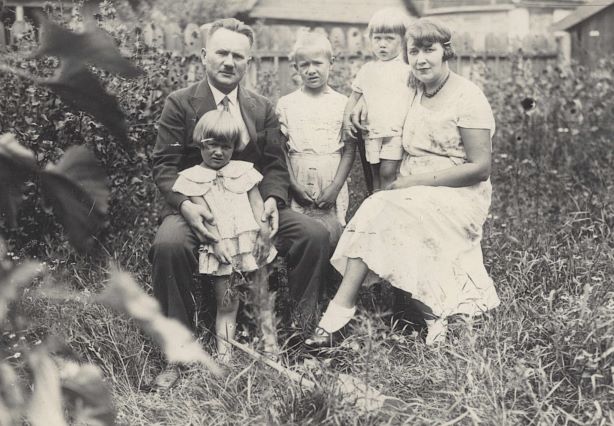
13.04.1940 – On the morning of 13 April
On the morning of 13 April 1940, NKVD soldiers came banging against the doors of the homes of more than 60,000 residents of eastern Poland. They ordered them to pack quickly and loaded them into cattle wagons.
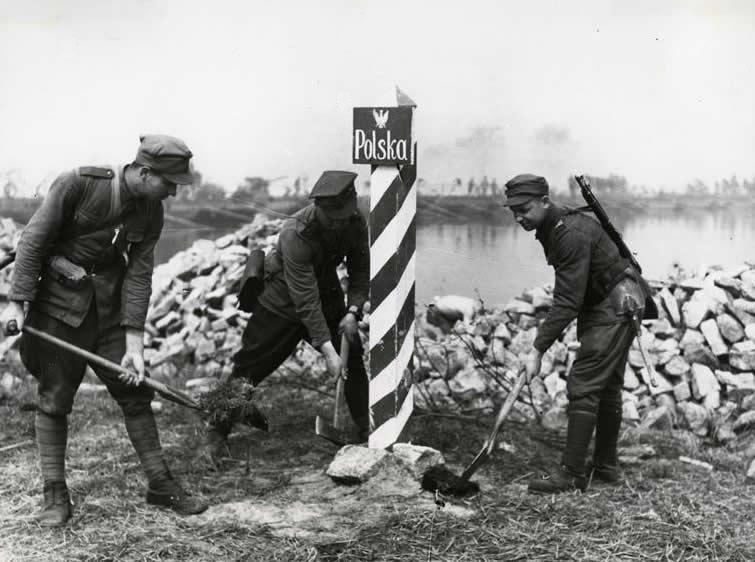
the 16th of April 1945, The Oder was ahead of them
The last weeks of the World War Two in Europe. Last, but critical engagements, and at the same time, more victims. In the morning of 16 April 1945 the operation of crossing the Oder river started, in which soldiers of the First Polish Army took part. Among the Polish units the First Infantry Divisio

The 21st of April 1945, The last victory of the II Corps
After fierce combats in the northern part of the Italian Peninsula, Polish soldiers triumphantly entered Bologna.
