


TIMELINE
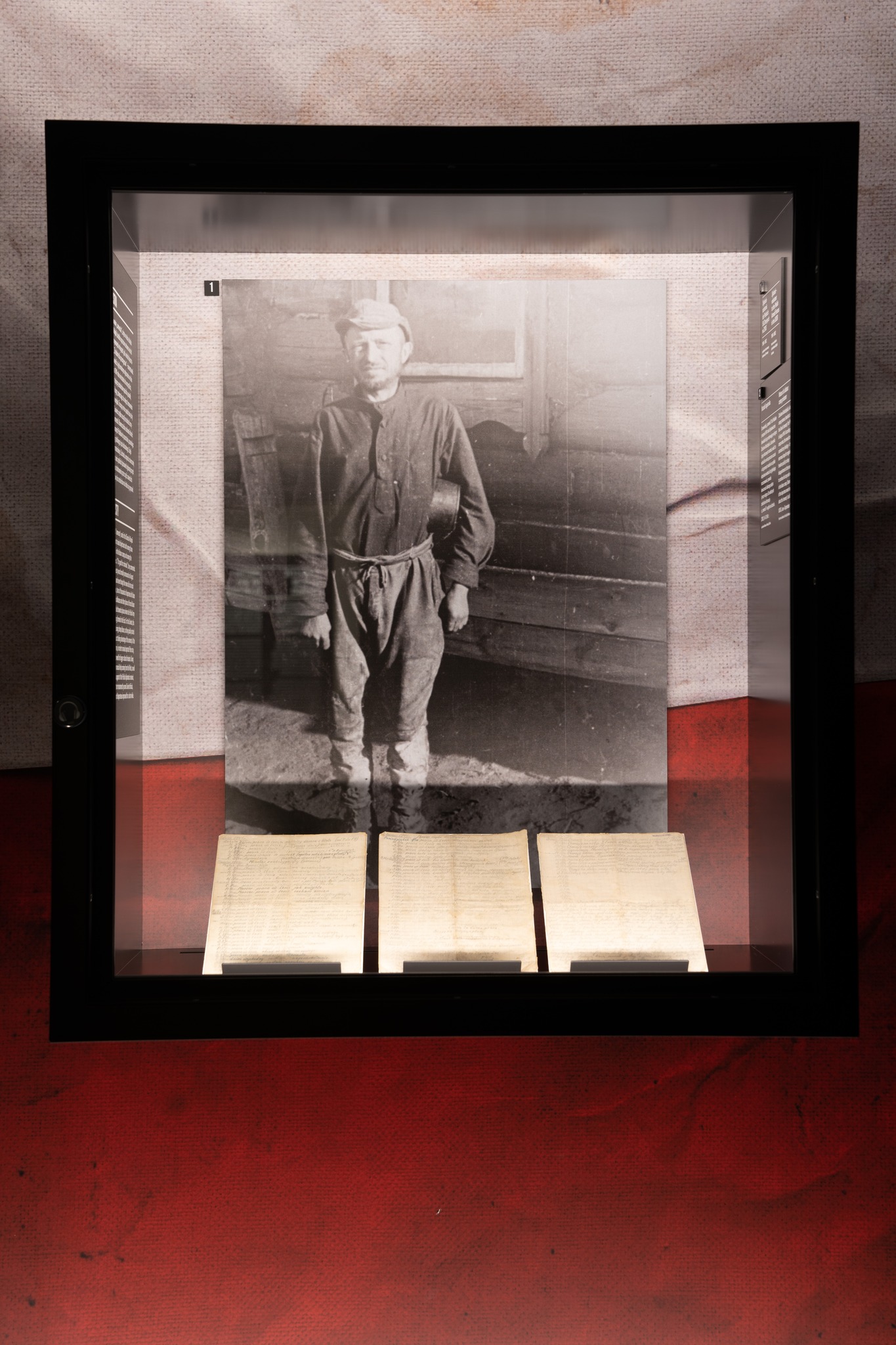
12.08.1941 – The co-called amnesty
On August 12, 1941, the authorities of the Soviet Union gave "amnesty" to hundreds of thousands of Poles deported to Siberia.
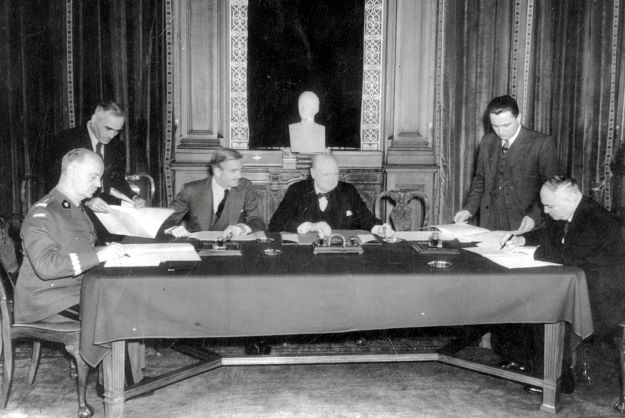
30.07.1941 – The Sikorski-Mayski Agreement – a document that gave freedom
The Sikorski-Mayski Agreement - Document that Gave Freedom
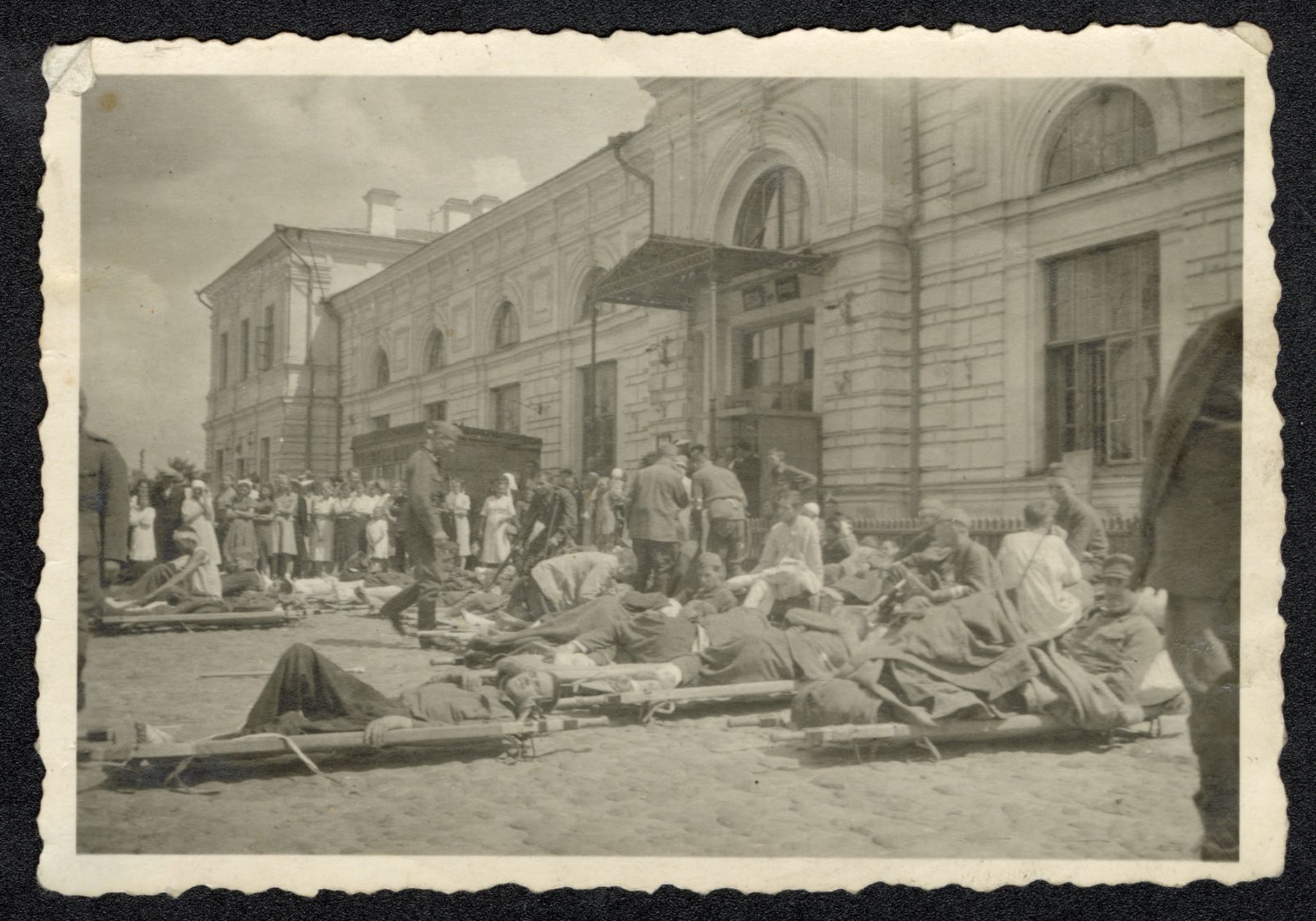
25.06.1941 – One day from a horrific summer
The day of 25 June 1941 in Białystok had a tragic both end and beginning.
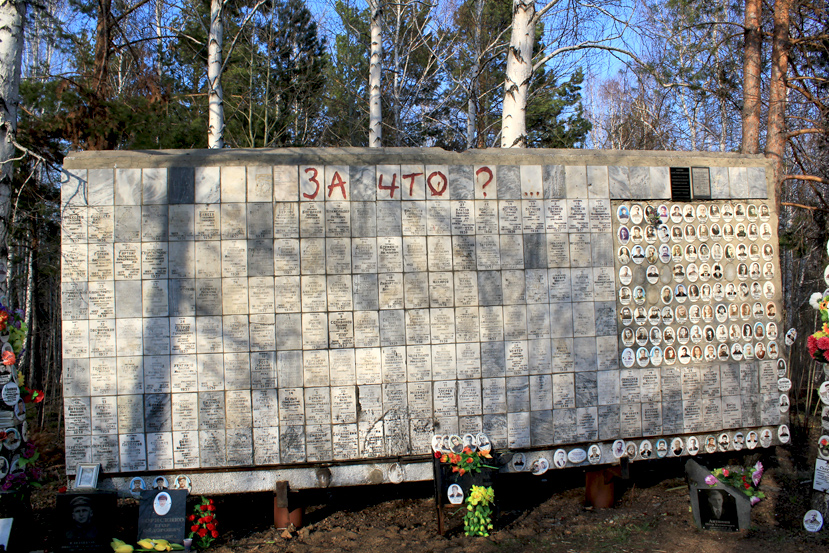
11.08.1937 – They were killed for their origin – the “NKVD Anti-Polish Operation”
There was a time when large numbers of Poles in the Soviet Union lost their lives simply because of their origin and surname. One of the elements of the “Great Terror” unleashed by Stalin in 1937-1938 was the so-called “Polish Operation”, in which NKVD officers, on suspicion of espionage, mu
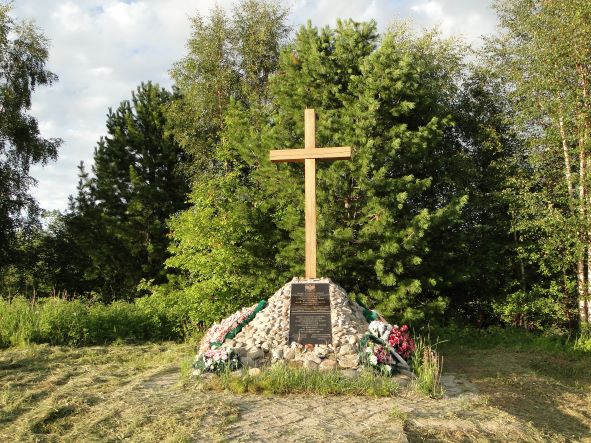
6.07.1866 – Polish Uprising beyond Lake Baikal
On the night of 6 to 7 July (24/25 June old style) 1866, 5,000 kilometres east of their homeland, a group of January insurgents sent to Baikal for penal labour stirred up a rebellion, disarmed their guards and tried to forge an escape route to Mongolia.
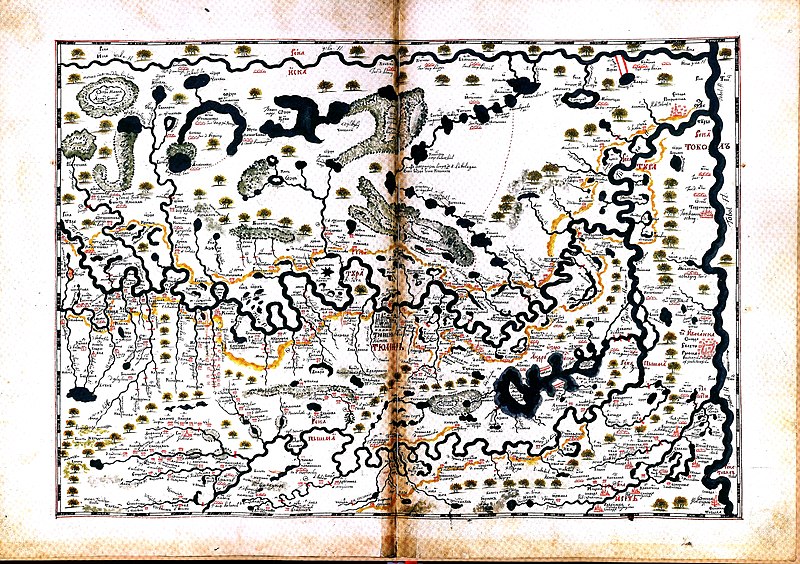
26.06.1579 – The first exiles of the Polish Republic
The first Siberian fortresses were built by Polish prisoners of war who had been taken captive by Moscow authorities precisely during the war initiated by Stefan Batory.
