


TIMELINE

The 21st of April 1945, The last victory of the II Corps
After fierce combats in the northern part of the Italian Peninsula, Polish soldiers triumphantly entered Bologna.
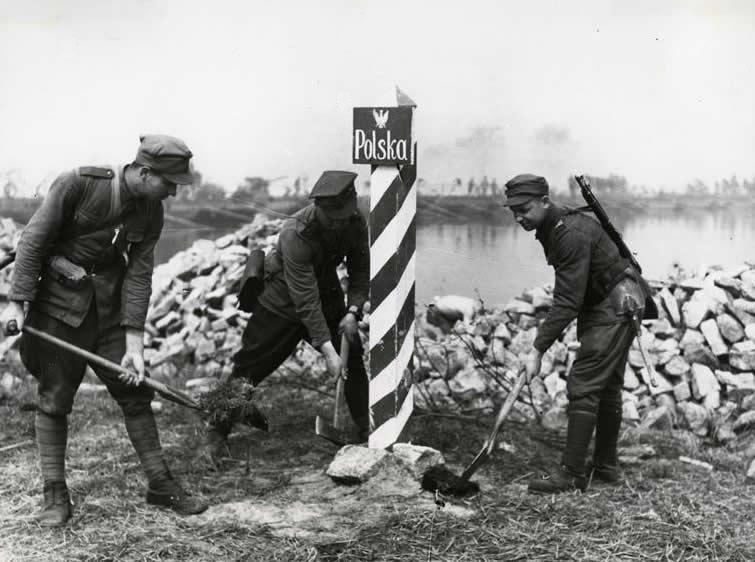
the 16th of April 1945, The Oder was ahead of them
The last weeks of the World War Two in Europe. Last, but critical engagements, and at the same time, more victims. In the morning of 16 April 1945 the operation of crossing the Oder river started, in which soldiers of the First Polish Army took part. Among the Polish units the First Infantry Divisio
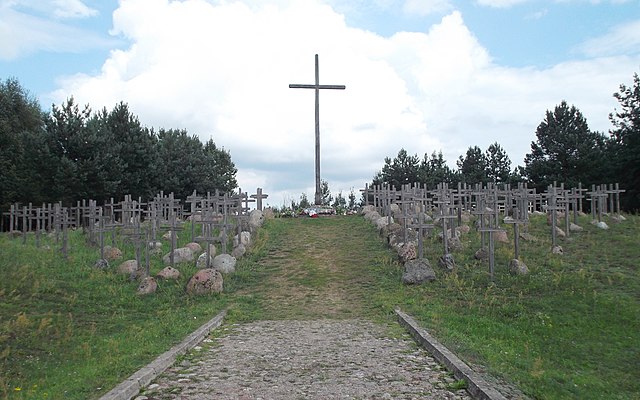
12.07.1945 – The beginning of the Augustów Roundup
For several decades after the war, families referred to the victims of the Roundup as “missing” because they did not know their fate. Many believed that they had been deported to Sybir, and that they would one day return. It was not until 2011 when Nikita Petrov, a researcher from the (now illeg
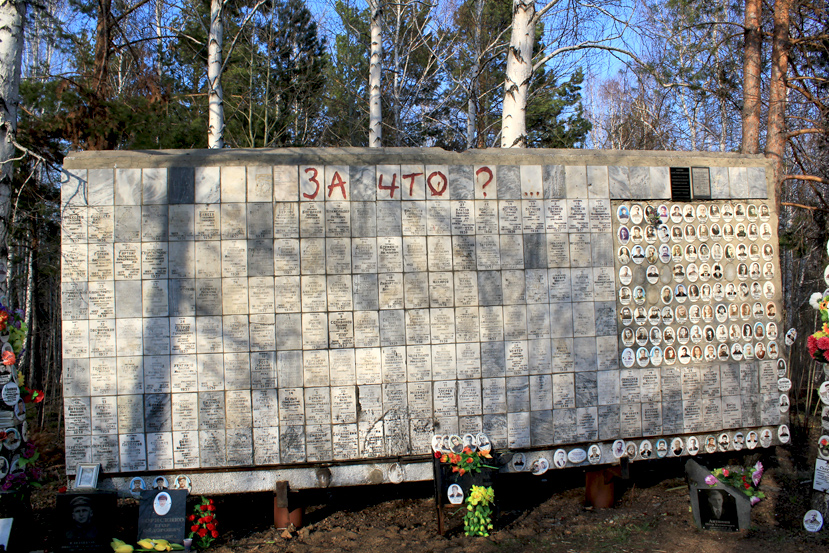
11.08.1937 – They were killed for their origin – the “NKVD Anti-Polish Operation”
There was a time when large numbers of Poles in the Soviet Union lost their lives simply because of their origin and surname. One of the elements of the “Great Terror” unleashed by Stalin in 1937-1938 was the so-called “Polish Operation”, in which NKVD officers, on suspicion of espionage, mu

22.01.1863 – The January Uprising – the Polish dream of freedom
Years ago, Poles, like Ukrainians today, did not want to be a Russian colony. They dreamed of their own independent country.
