


TIMELINE
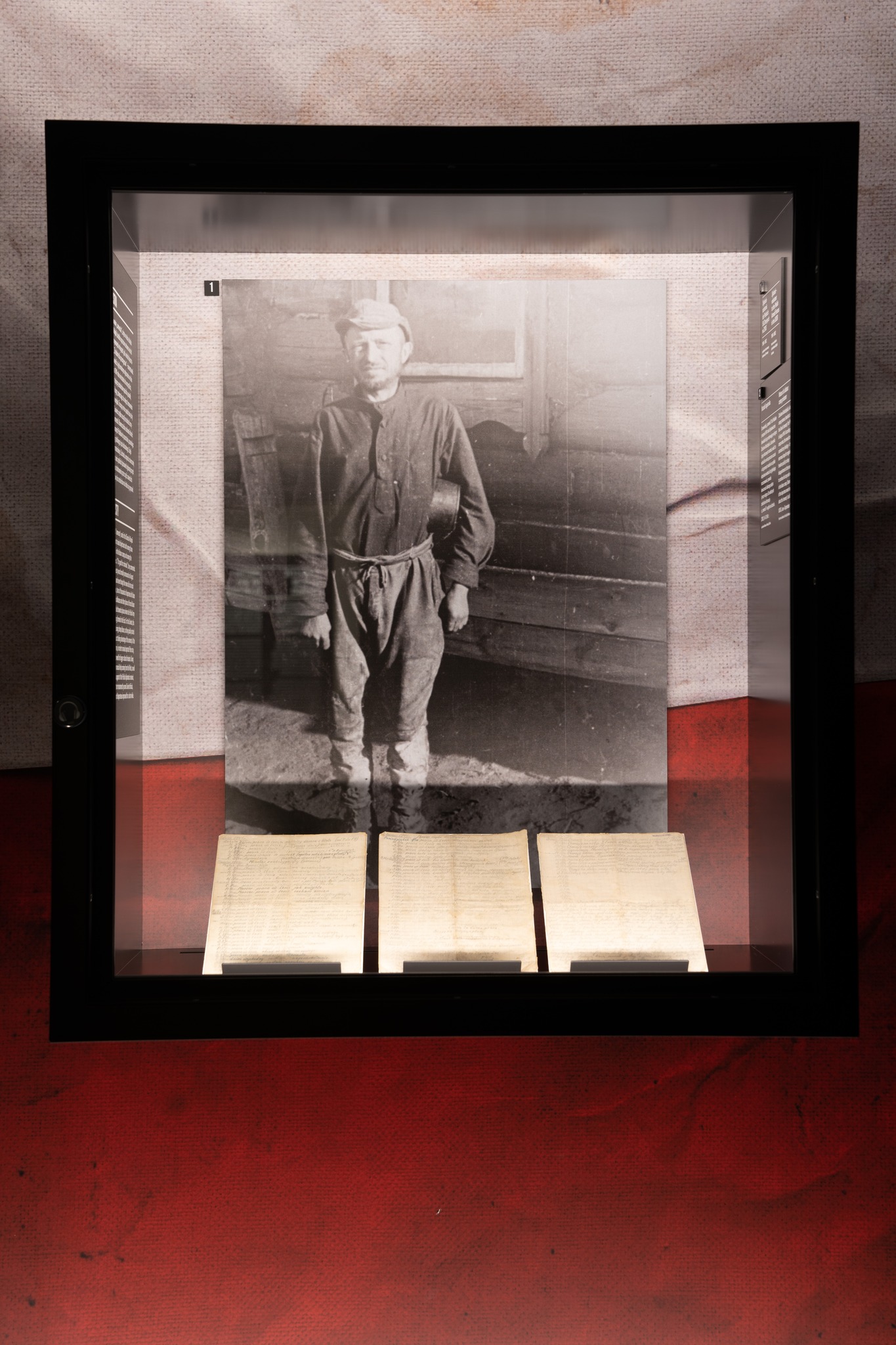
12.08.1941 – The co-called amnesty
On August 12, 1941, the authorities of the Soviet Union gave "amnesty" to hundreds of thousands of Poles deported to Siberia.
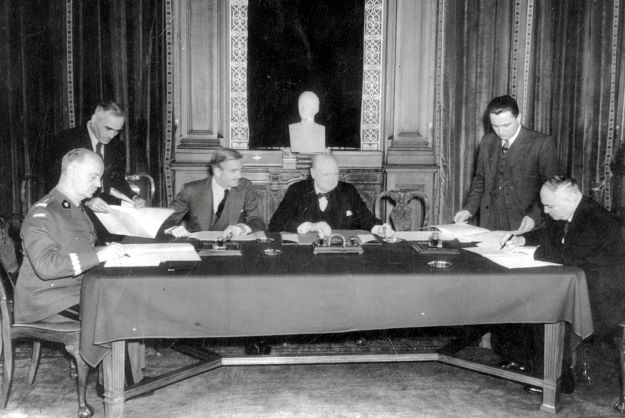
30.07.1941 – The Sikorski-Mayski Agreement – a document that gave freedom
The Sikorski-Mayski Agreement - Document that Gave Freedom
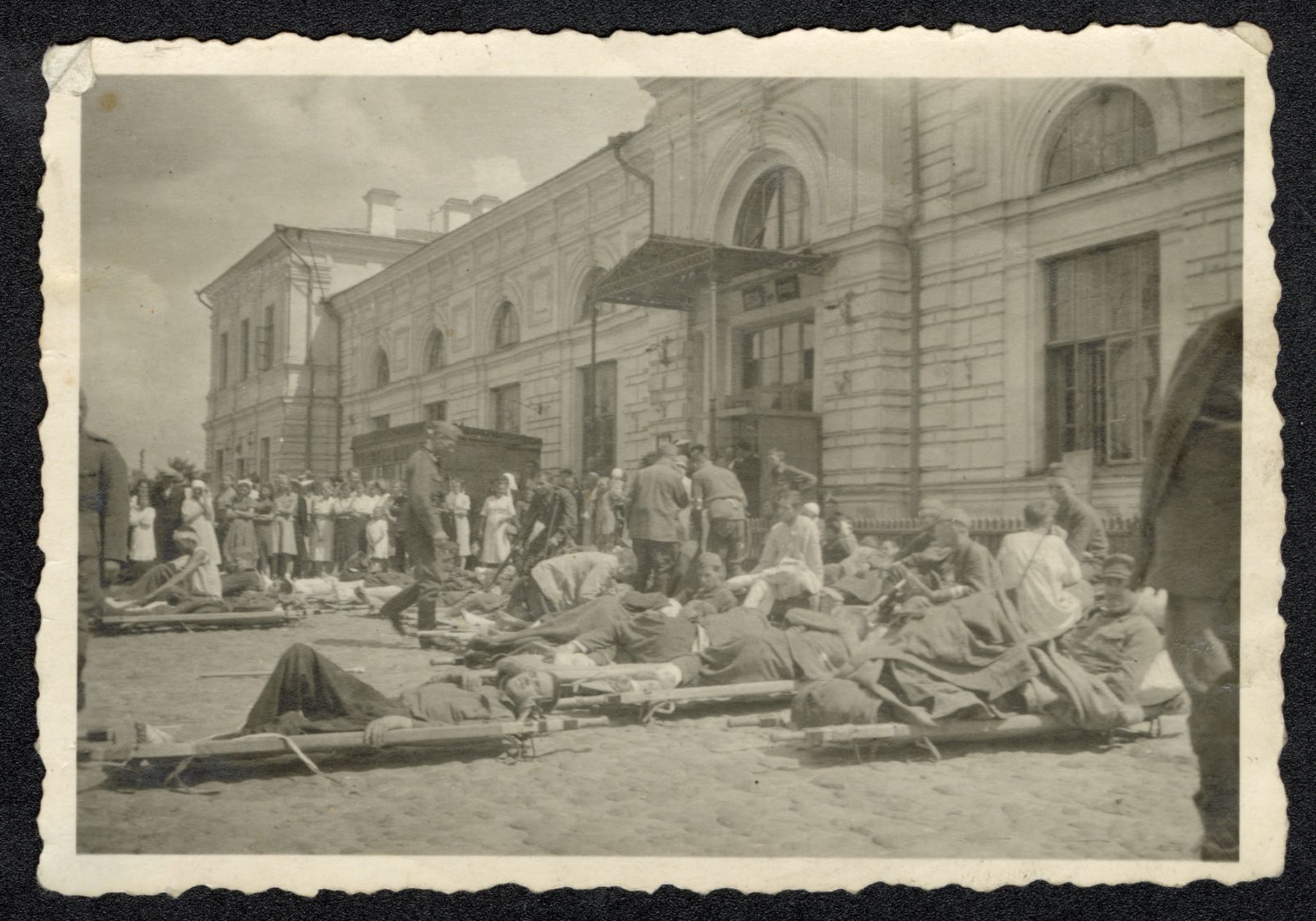
25.06.1941 – One day from a horrific summer
The day of 25 June 1941 in Białystok had a tragic both end and beginning.
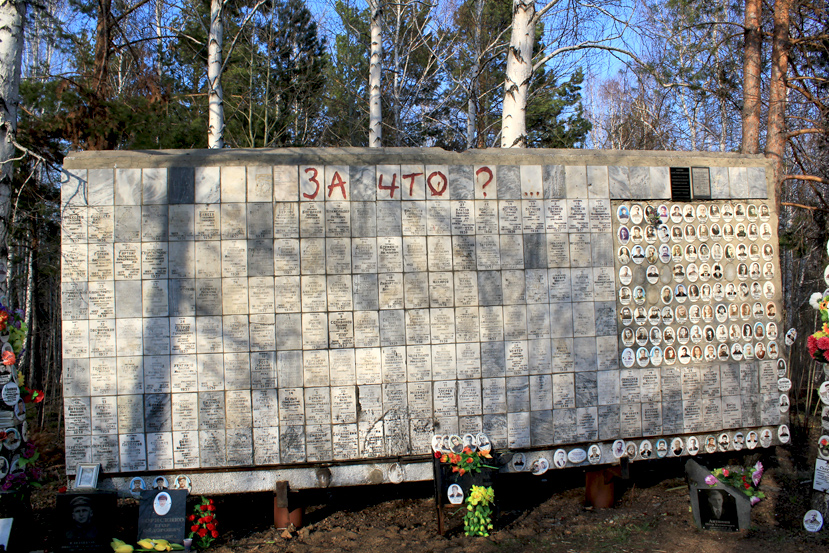
11.08.1937 – They were killed for their origin – the “NKVD Anti-Polish Operation”
There was a time when large numbers of Poles in the Soviet Union lost their lives simply because of their origin and surname. One of the elements of the “Great Terror” unleashed by Stalin in 1937-1938 was the so-called “Polish Operation”, in which NKVD officers, on suspicion of espionage, mu
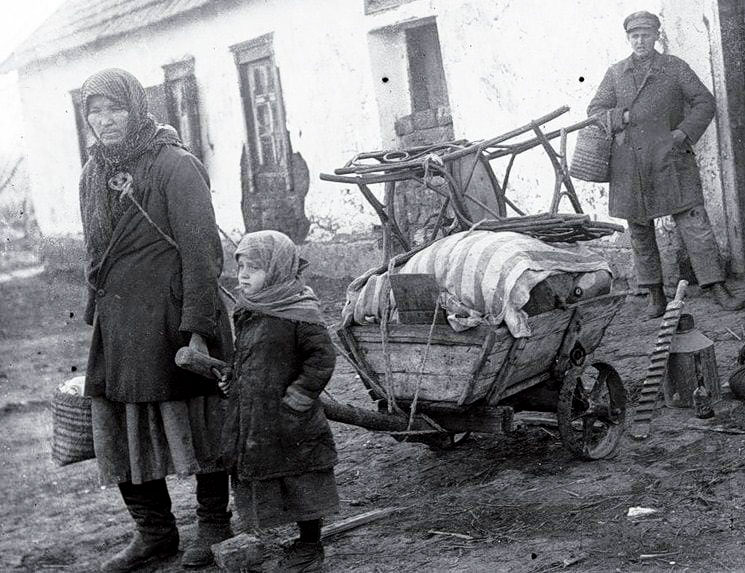
30.01.1930 – The kulak deportation
On 30 January 1930, the Politburo of the Central Committee of the All-Union Communist Party (Bolsheviks) decided to launch the largest resettlement operation in the entire history of the Soviet Union, still referred to today as the 'kulak deportation'.
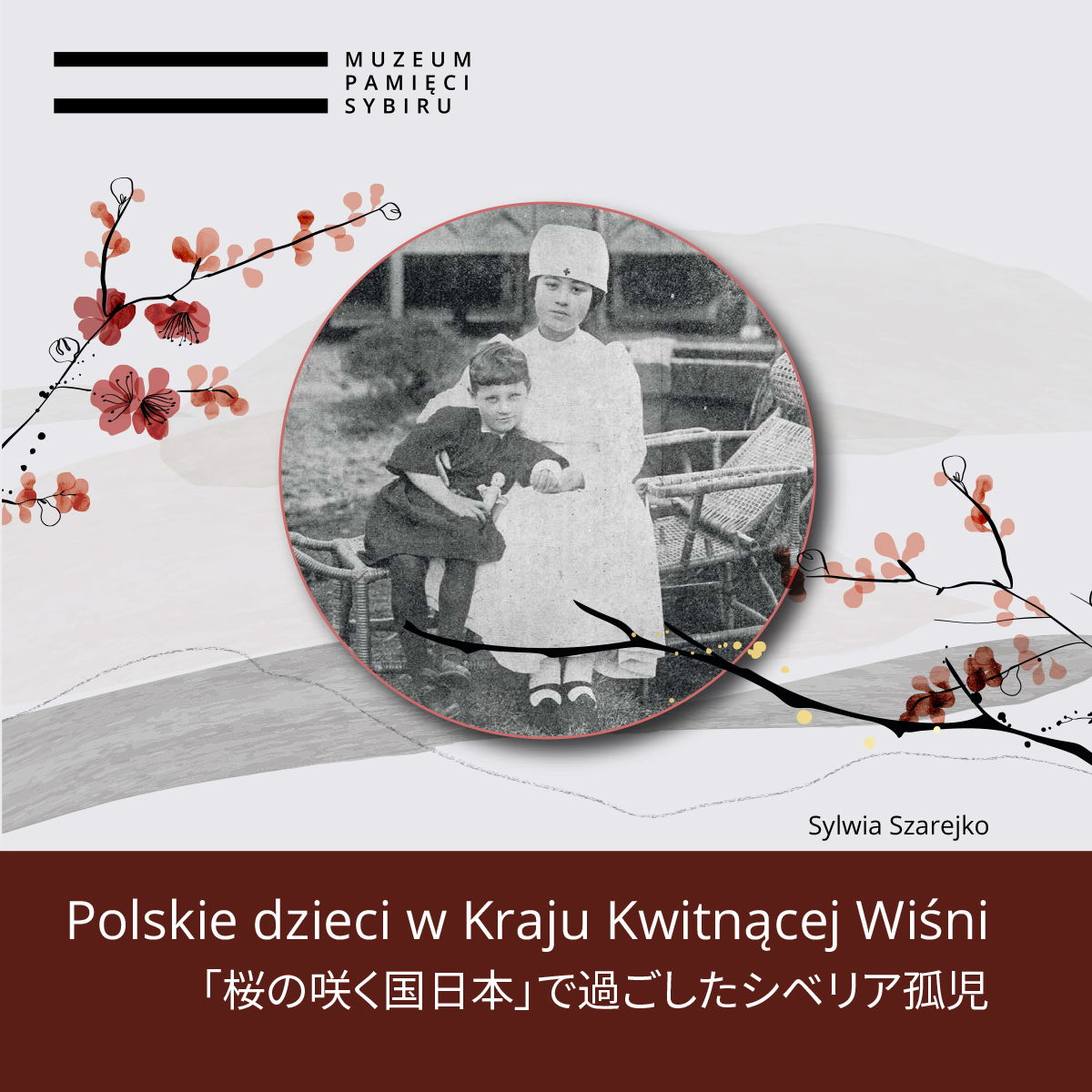
23.07.1920 – Japanese help for Polish children
On 23 July 1920, the first ship from Vladivostok with Polish children evacuated from Siberia arrived in Tsuruga, Japan. By 1922, a total of more than 700 kids had arrived in the Land of the Cherry Blossom. Their first stops were the cities of Tsuruga and Osaka.
