

szukaj - search

Pokaż więcej wyników

Generic selectors
Exact matches only
Search in title
Search in content
Post Type Selectors
"><font style="vertical-align: inherit
Logo Centrum Mieroszewskiego
Logo Muzeum Pamięci Sybiru w Białymstoku
szukaj - search

Pokaż więcej wyników

Generic selectors
Exact matches only
Search in title
Search in content
Post Type Selectors
"><font style="vertical-align: inherit
Logo Muzeum Pamięci Sybiru w Białymstoku
Logo Centrum Mieroszewskiego
szukaj - search

Pokaż więcej wyników

Generic selectors
Exact matches only
Search in title
Search in content
Post Type Selectors
"><font style="vertical-align: inherit

TIMELINE

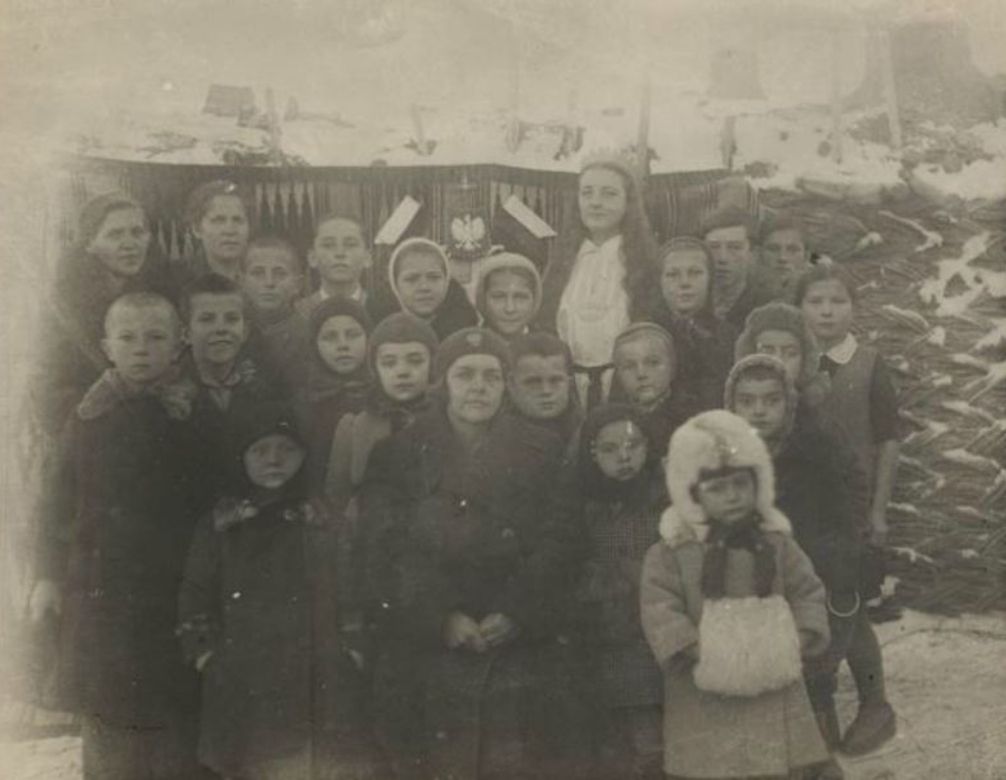
Na tym czarnobiałym zdjęciu widzimy grupę dzieci wraz z opiekunami. Pani Załuska siedzi w pierwszym rzędzie, z orzełkiem w koronie w berecie, obok moja babcia, dalej stoją dzieci.
11.11.1941 – Polish Independence Day on the Irtysh River
The date of 11 November 1918, being the day on which Poland regained its independence, is a symbolic date. Exactly on that day, an armistice ending the First World War was concluded in a wagon in the forest of Compiègne.
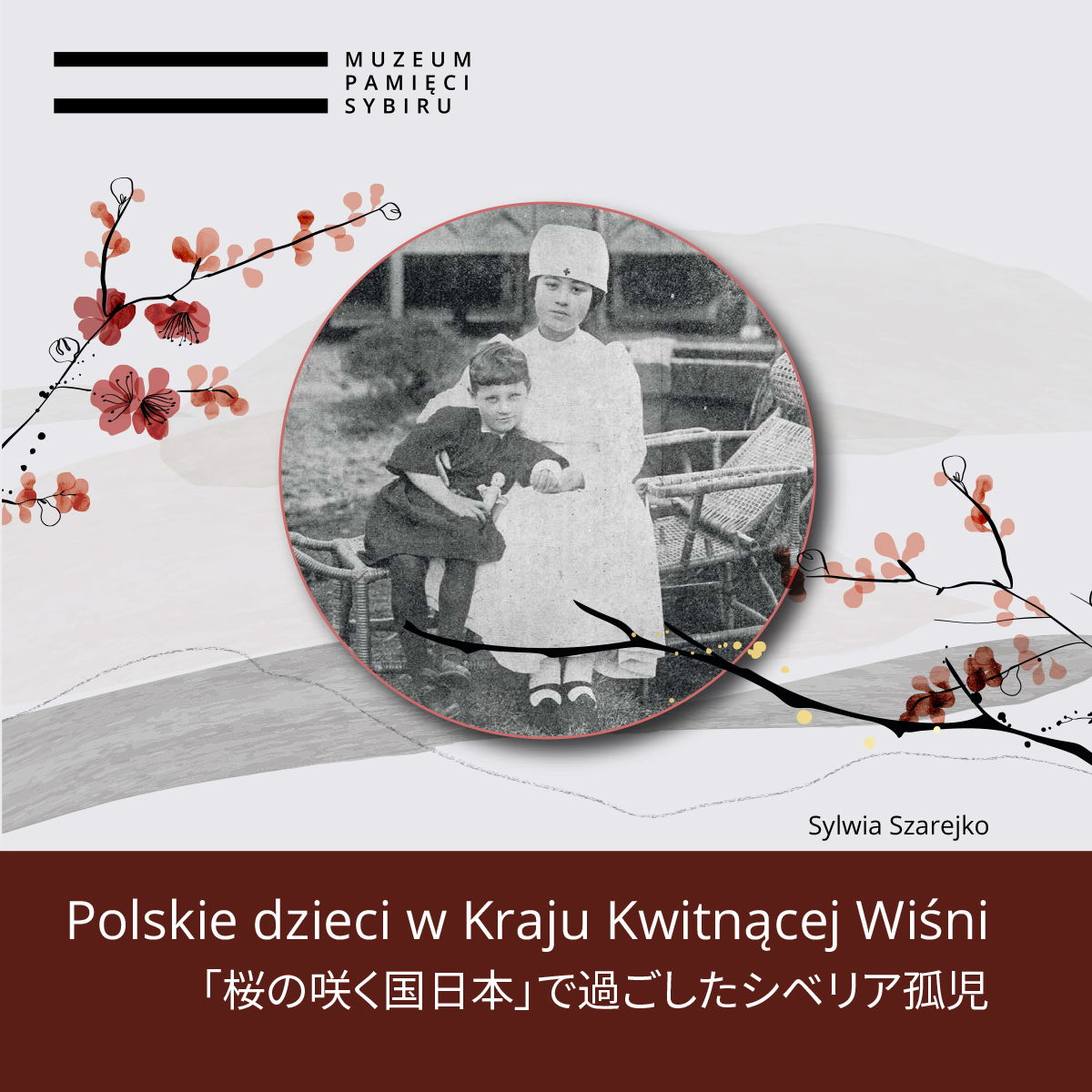
Okładka książki: Polskie dzieci w Kraju kwitnącej Wiśni
23.07.1920 – Japanese help for Polish children
On 23 July 1920, the first ship from Vladivostok with Polish children evacuated from Siberia arrived in Tsuruga, Japan. By 1922, a total of more than 700 kids had arrived in the Land of the Cherry Blossom. Their first stops were the cities of Tsuruga and Osaka.
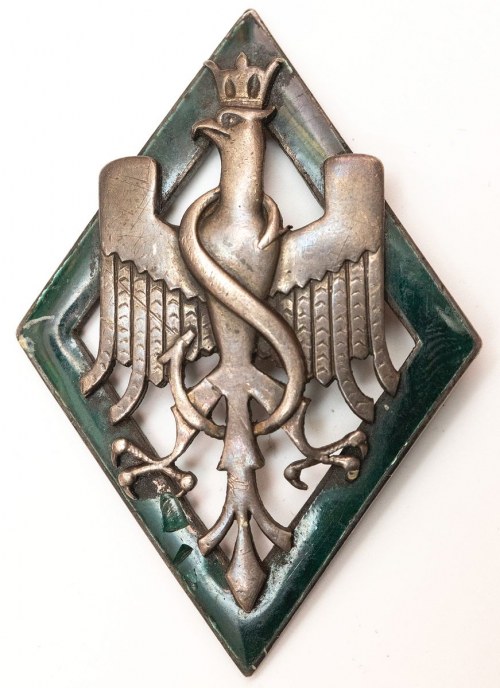
Metalowa odznaka z orłem w koronie na tle zielonego rombu
10.01.1920 – The capitulation of the 5th Siberian Division 
Volunteer Polish units in Siberia began to organise as early as the turn of 1917/1918.
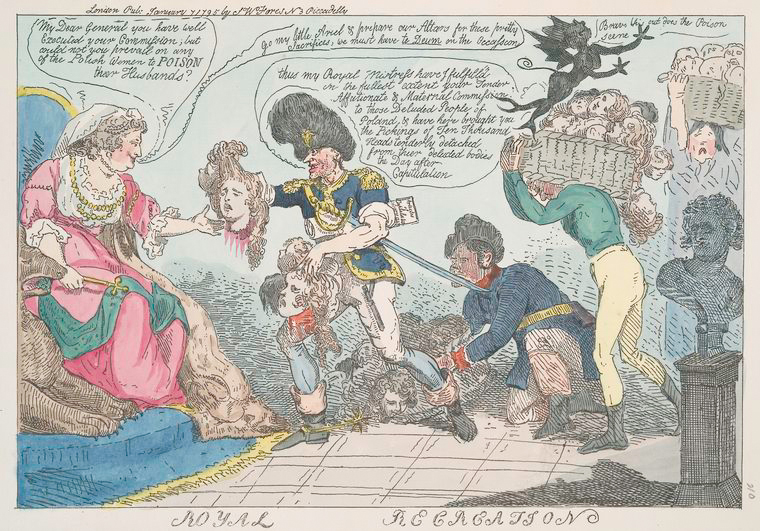
Na rysunku widać trzech mężczyzn niosących ludzkie głowy w celu wręczenia ich siedzacej na tronie kobiecie w sukni
4.11.1794 – Some sort of devilish lust for destruction…
This is what journalist Bruno Korotyński wrote in 1924 about the slaughter in Warsaw’s Praga district. It was one of the last, and at the same time most tragic, episodes of the Kościuszko Uprising. On 4 November 1794, after the Polish army had been defeated, Cossacks slaughtered about 20,000 civ