


szukaj - search

Pokaż więcej wyników

Generic selectors
Exact matches only
Search in title
Search in content
Post Type Selectors
"><font style="vertical-align: inherit
Logo Centrum Mieroszewskiego
Logo Muzeum Pamięci Sybiru w Białymstoku
szukaj - search

Pokaż więcej wyników

Generic selectors
Exact matches only
Search in title
Search in content
Post Type Selectors
"><font style="vertical-align: inherit
Logo Muzeum Pamięci Sybiru w Białymstoku
Logo Centrum Mieroszewskiego
szukaj - search

Pokaż więcej wyników

Generic selectors
Exact matches only
Search in title
Search in content
Post Type Selectors
"><font style="vertical-align: inherit

TIMELINE

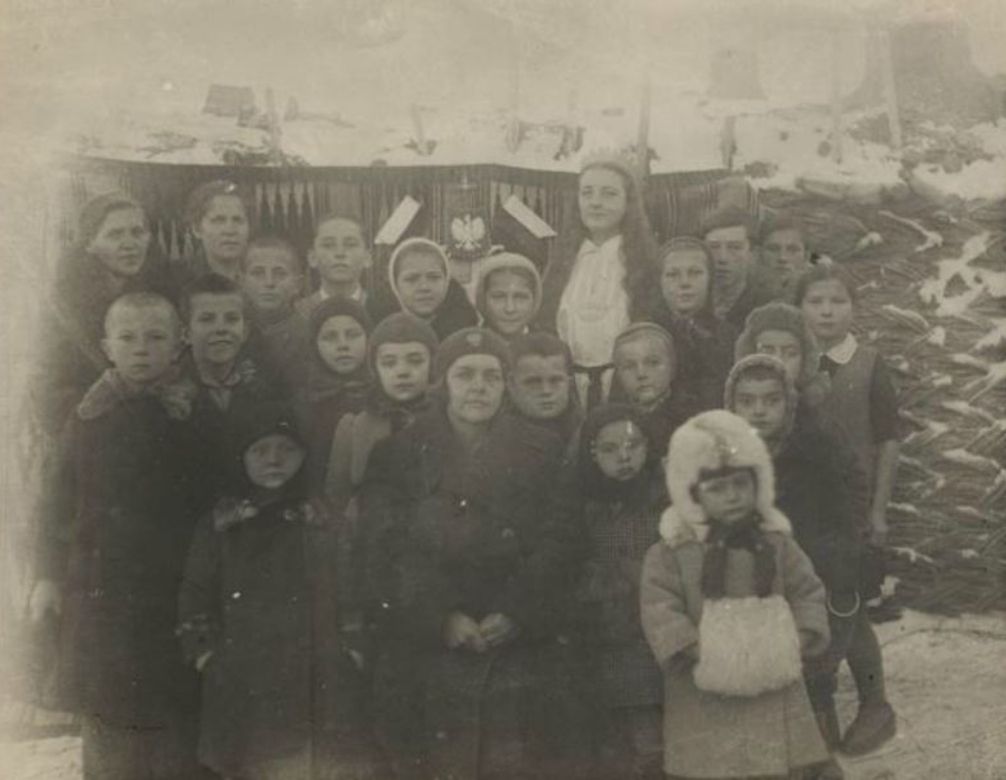
Na tym czarnobiałym zdjęciu widzimy grupę dzieci wraz z opiekunami. Pani Załuska siedzi w pierwszym rzędzie, z orzełkiem w koronie w berecie, obok moja babcia, dalej stoją dzieci.
11.11.1941 – Polish Independence Day on the Irtysh River
The date of 11 November 1918, being the day on which Poland regained its independence, is a symbolic date. Exactly on that day, an armistice ending the First World War was concluded in a wagon in the forest of Compiègne.
Okładka książki: Polskie dzieci w Kraju kwitnącej Wiśni
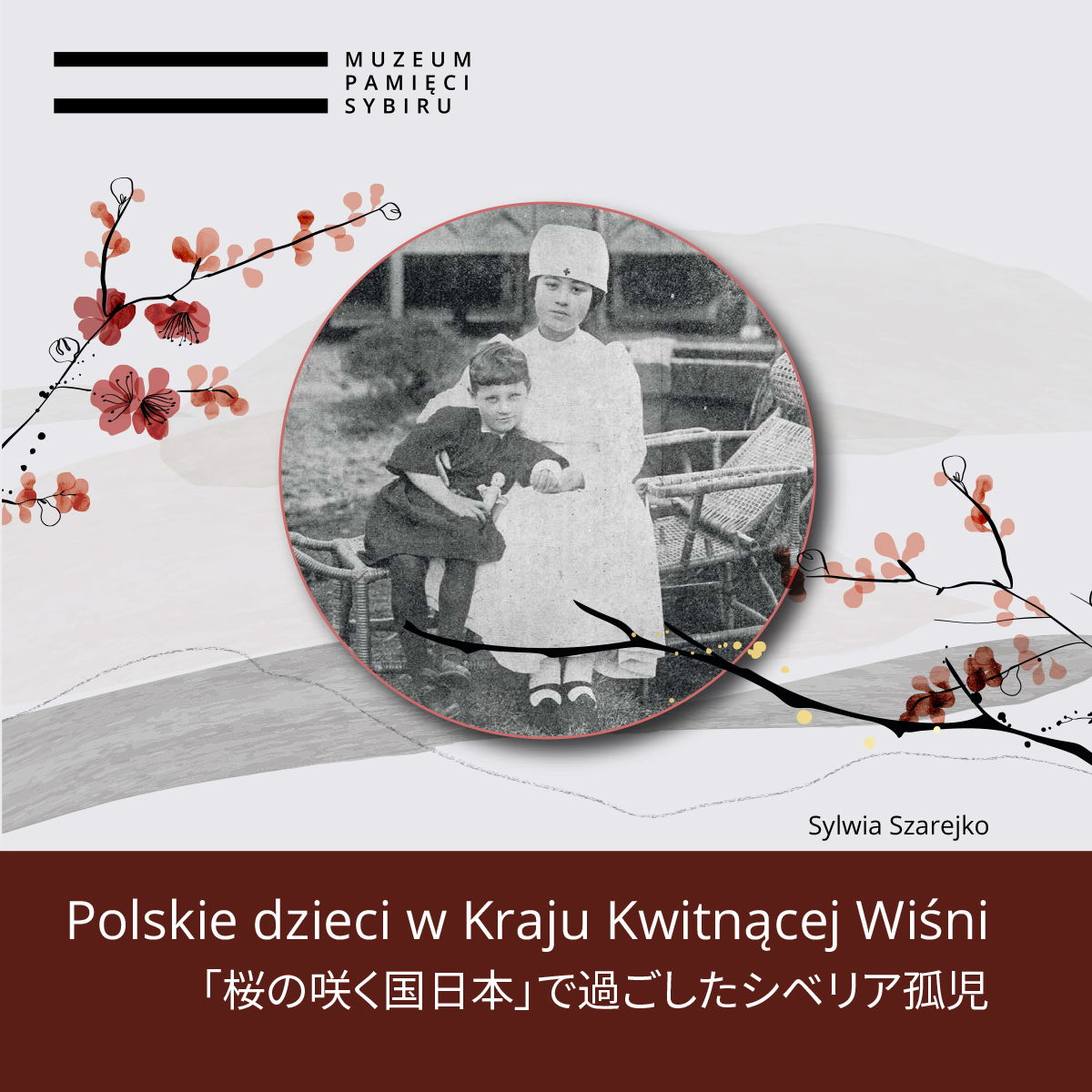
23.07.1920 – Japanese help for Polish children
On 23 July 1920, the first ship from Vladivostok with Polish children evacuated from Siberia arrived in Tsuruga, Japan. By 1922, a total of more than 700 kids had arrived in the Land of the Cherry Blossom. Their first stops were the cities of Tsuruga and Osaka.
Metalowa odznaka z orłem w koronie na tle zielonego rombu
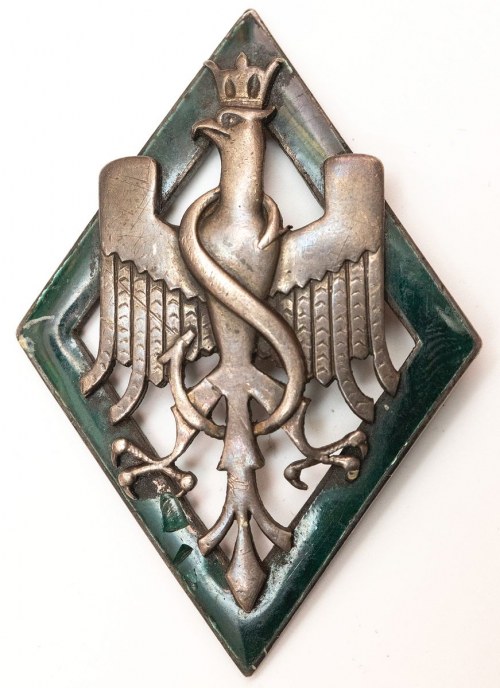
10.01.1920 – The capitulation of the 5th Siberian Division 
Volunteer Polish units in Siberia began to organise as early as the turn of 1917/1918.