


Logo Muzeum Pamięci Sybiru w Białymstoku
Logo Centrum Mieroszewskiego
Logo Muzeum Pamięci Sybiru w Białymstoku
szukaj - search

Pokaż więcej wyników

Generic selectors
Exact matches only
Search in title
Search in content
Post Type Selectors
"><font style="vertical-align: inherit
Logo Muzeum Pamięci Sybiru w Białymstoku
Logo Centrum Mieroszewskiego
Logo Muzeum Pamięci Sybiru w Białymstoku
szukaj - search

Pokaż więcej wyników

Generic selectors
Exact matches only
Search in title
Search in content
Post Type Selectors
"><font style="vertical-align: inherit
Logo Muzeum Pamięci Sybiru w Białymstoku
Logo Centrum Mieroszewskiego
szukaj - search

Pokaż więcej wyników

Generic selectors
Exact matches only
Search in title
Search in content
Post Type Selectors
"><font style="vertical-align: inherit

TIMELINE

The 21st of April 1945, The last victory of the II Corps
After fierce combats in the northern part of the Italian Peninsula, Polish soldiers triumphantly entered Bologna.
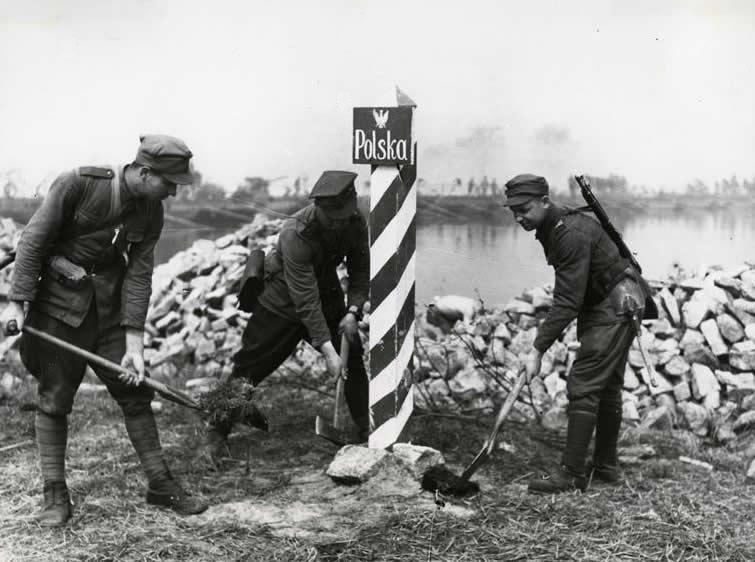
the 16th  of April 1945, The Oder was ahead of them
The last weeks of the World War Two in Europe. Last, but critical engagements, and at the same time, more victims. In the morning of 16 April 1945 the operation of crossing the Oder river started, in which soldiers of the First Polish Army took part. Among the Polish units the First Infantry Divisio
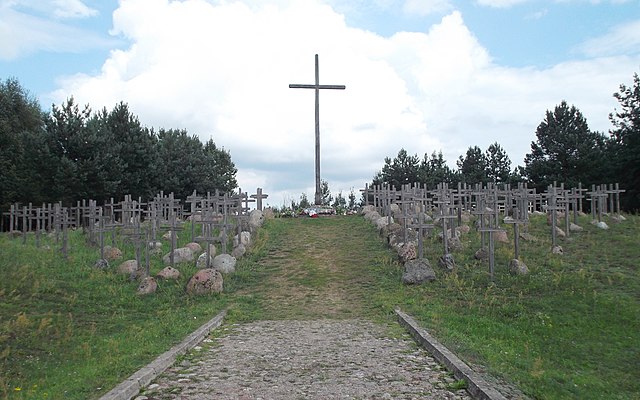
zdjęcie przedstawia wzgórze pełne drewnianych krzyzy i głazów
12.07.1945 – The beginning of the Augustów Roundup
For several decades after the war, families referred to the victims of the Roundup as “missing” because they did not know their fate. Many believed that they had been deported to Sybir, and that they would one day return. It was not until 2011 when Nikita Petrov, a researcher from the (now illeg