


Wojciech Śleszyński
Krugobaikalka, the Baikal section of the Trans-Siberian Railway, is undoubtedly the most picturesque. However, what made the shores of Lake Baikal so charming – a majestic sheet of water surrounded by mountains – also gave designers and builders headaches.


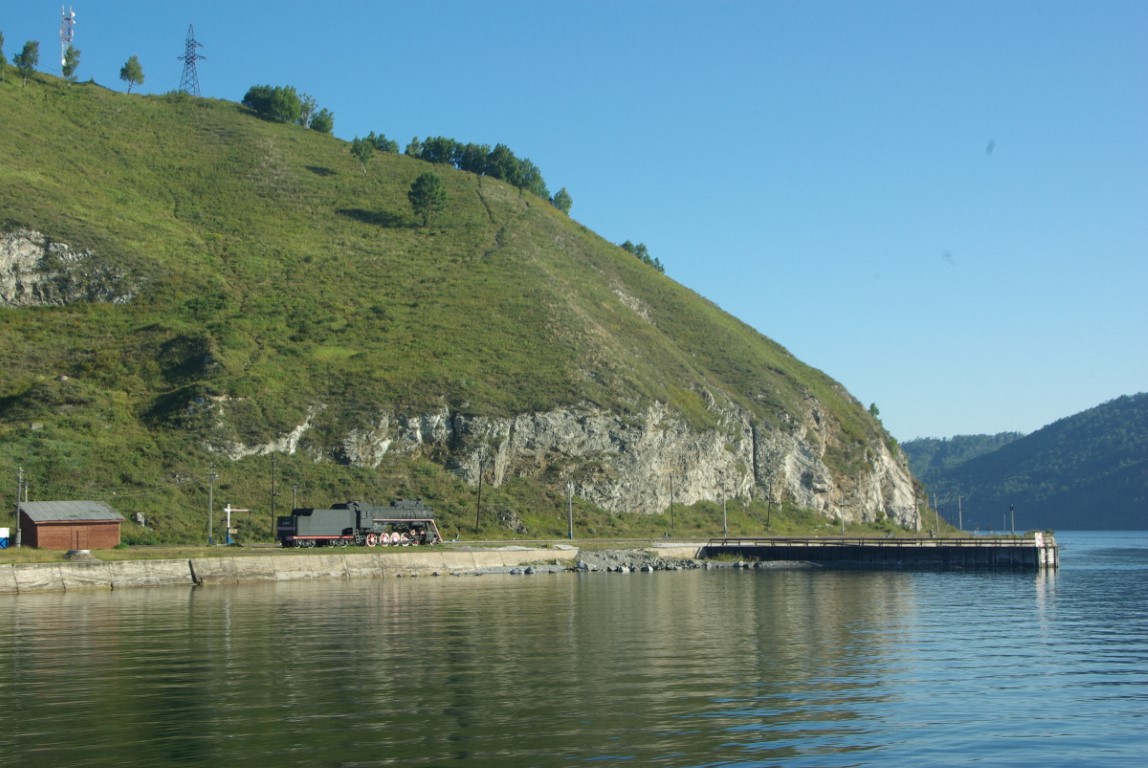
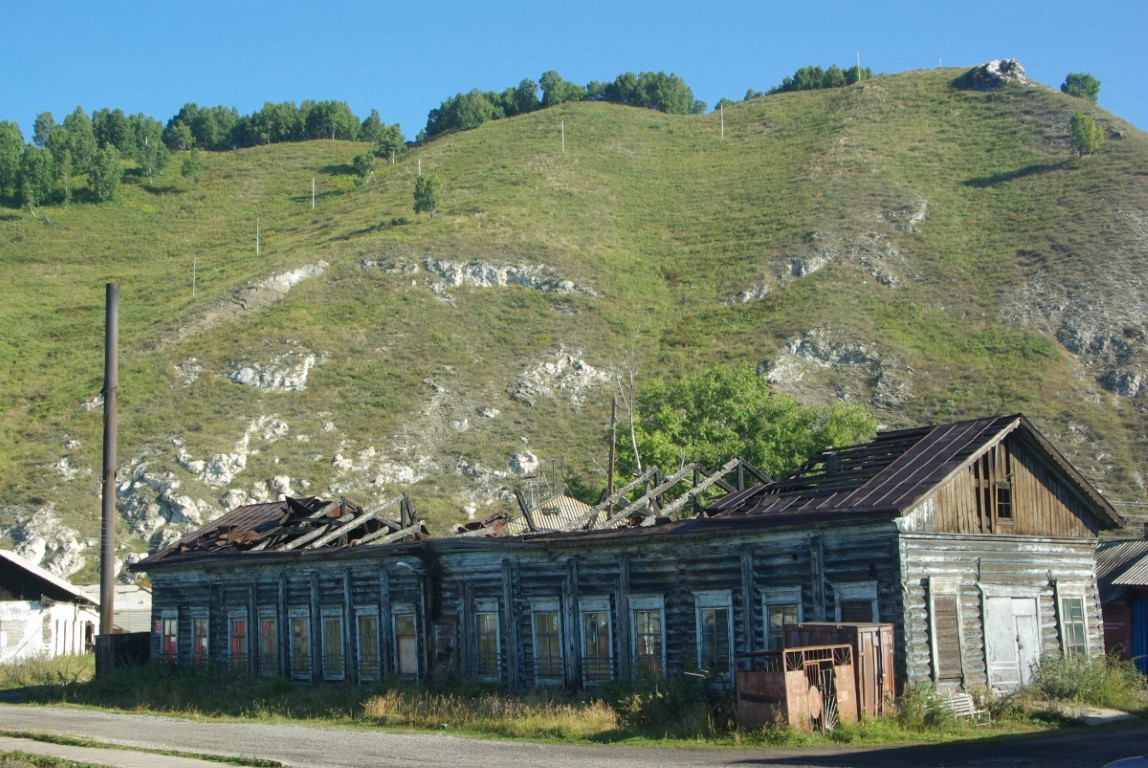


Here in Siberia, they were held back by particularly difficult geological conditions. The slopes of the nearby mountains, which descend sharply into the waters of Lake Baikal, prevented the smooth construction of a railway crossing. The lack of tracks in this place was solved by ordering two icebreakers from a British shipyard in Newcastle. The larger of them, “Baikal”, was adapted to transport wagons, while the second, “Angara”, was to serve as support in clearing the waterway in autumn and spring, when the ice was not too thick to allow navigation. Real winter effectively blocked the way even for icebreakers. Both ships were brought to Baikal in parts and assembled here. “Baikal” entered service on 24 April, and “Angara” on 1 August 1890. The wagons entered the interior of “Baikal” on a special platform, and comfortable cabins were prepared for passengers on the ship.
Fate was much kinder to “Angara”. It remained in service until the 1960s, then rusted away, waiting to be cut up. However, thanks to the involvement of local history enthusiasts, the ship was turned into a museum. “Baikal”, on the other hand, did not survive the civil war.
Regardless of the planned entry of both icebreakers into service, work began on a section of tracks around the southwestern part of Baikal in 1899. The route was marked out right on the shore of the lake. This location required the construction of forty tunnels, over ten stone galleries, and almost three hundred different types of bridges and viaducts. The basic building materials were stone and metal. This was the most expensive section of the Transsib that was built in the Tsarist era. Architects and engineers from Russia and several other European countries worked on the construction. A large group of specialists were Italians who had gained experience in excavating rocks in the Dolomites. Among the builders there was also no shortage of Polish engineers.
Tempted by high wages, specialists were brought from various parts of Europe. Working in difficult conditions required great skill. The pace of work was very fast from the beginning and there were numerous accidents. The tsarist authorities, especially in the era of escalating situation in the Far East, were keen to complete the work as soon as possible. No funds were spared, and exiles also participated in the work. The growing power of Japan was increasingly threatening.
The outbreak of war fully exposed the weakness of the Trans-Siberian Railway’s strategic potential. The unfinished state of the Baikal section limited the line’s capacity in the initial period of the war to three pairs of echelons per day. This was much less than the commanders had expected, so the lines in Irkutsk were congested. Thousands of mobilized soldiers crowded into the city, waiting for the crossing. The previous – already fast – pace of work was now accelerated even more. Costs did not matter – strategic plans were most important. In the winter of 1904, in order to increase the capacity of the route, railway tracks were temporarily laid even on the frozen waters of the lake.
The ceremonial trip of the first train around Baikal took place in September 1904, but this did not affect the final outcome of the war with Japan. Although military operations continued into 1905 and the newly built section allowed for the transfer of over a million additional soldiers to the east, the fate of the war had already been decided. The defeats inflicted by the Japanese were joined by the outbreak of the revolution of 1905. Tsarist Russia suffered a military and prestigious defeat. For the first time, a great European power had to acknowledge the superiority of an Asian state. The end of the Romanov Empire was already approaching with great strides.
The completion of the construction did not mean the end of the railway’s problems as the unstable geological subsoil threatened constant landslides. In order to increase the capacity of the route, a parallel second track was built in the years 1911–1915, when, in addition to stone and metal, concrete was increasingly used in the construction. The dominant style of the erected structures was modernism.
Ultimately, Krugobaikalka lost its importance in the 1950s. During the Stalinist era, a new section of railway was built that circumvented an unstable section by a mountain. The work of completing the Baikal section of the railway in its current form was finalized by the opening of the dam on the Amur River in 1956, which resulted in the flooding of the section of the railway from Irkutsk to the port of Baikal. Today, only 84 kilometres remain of this once critical section of the Transsib. All sections of the Trans-Siberian Main Line were completed only in 1916, eleven years after the original planned date. The Baikal section, affectionately called the golden buckle of Russia’s steel belt, remained its most picturesque part. The Krugobaikalka – the Baikal section of the Trans-Siberian Railway – is the most picturesque part of this longest railway line in the world. At the same time, however, it was one of the most difficult sections of track to build.
Text and photos: prof. dr hab. Wojciech Śleszyński, director of the Sybir Memorial Museum
Translated by Sylwia Szarejko