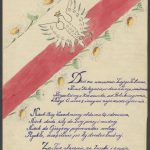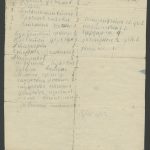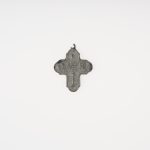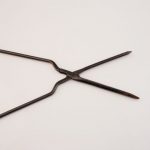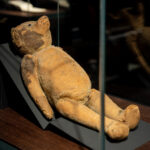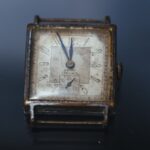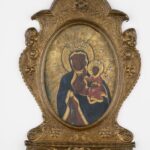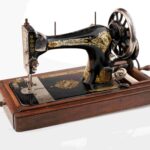

After World War II, the Vilnius region was incorporated into the Soviet Union, and repressions against the local Polish population were continuously intensified. Fearing persecution, Jadwiga Urban—daughter of Jan Urban, a Home Army soldier killed in action in 1944—entrusted her relatives with the care of her daughter Czeslawa and fled to Riga. However, in 1949, she was tracked down by Soviet authorities. She faced charges of treason, while Czesława was at risk of being placed in an orphanage. Ultimately, thanks to the family’s efforts, the authorities were persuaded to allow mother and daughter to remain together; nevertheless, both were deported deep into the Soviet interior.
They were sent to the Bashkir Autonomous Soviet Socialist Republic, first to the area near Ishimbay and later to Salavat, where Jadwiga worked in a sewing factory. Following Stalin’s death in 1953, they were informed that they were free, though they were denied the right to return to their home region. It was not until 1955 that they were able to leave Bashkiria for what was then Soviet Estonia. A year later, they moved to Poland. They most likely crossed the border at Terespol on November 27, 1956, and traveled to Giżycko, where Jadwiga’s sister—and Czesława’s aunt—Genowefa Łapin lived.
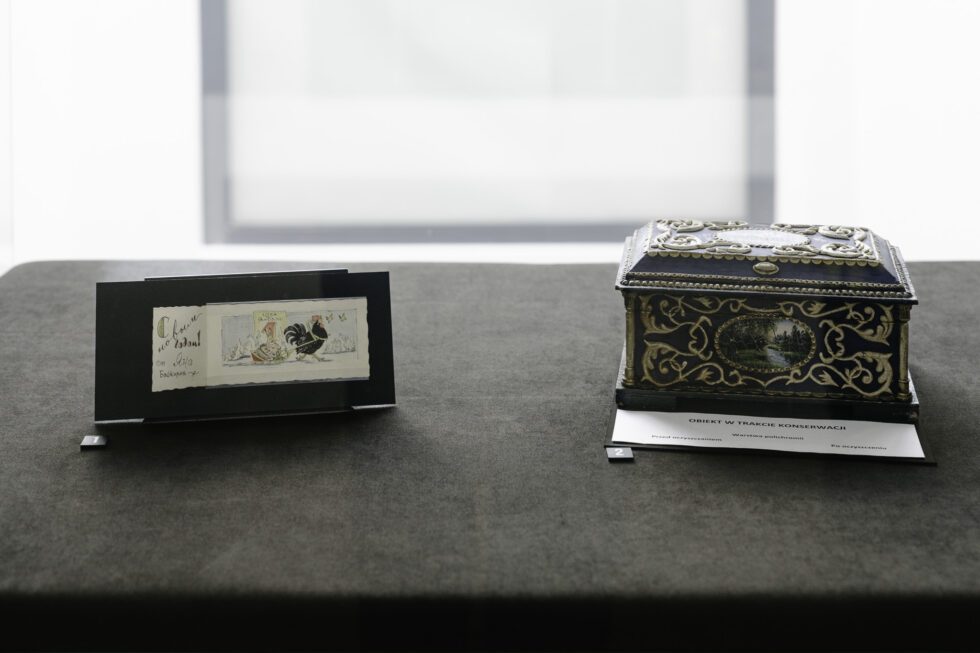
According to one testimony, other family members were deported alongside Jadwiga and Czesława, including Jadwiga’s sisters and her brother-in-law. It was this brother-in-law, Jan Kozłowski, who sent them a handcrafted jewelry box.
In her adult life, Czesława Bułkowska worked as an accountant. For many years, she was actively involved in the activities of the Białystok branch of the Association of Sybiraks. She passed away in April 2023.