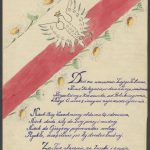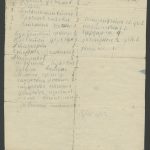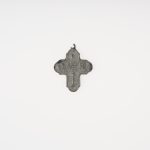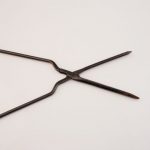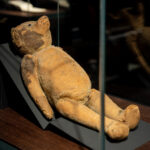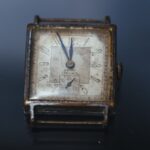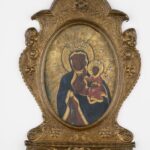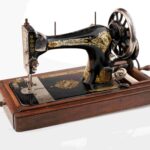


Ignacy Pałka was a professional non-commissioned officer in the Polish Army during the interwar period. After the outbreak of World War II, he left the town of Stryj (then in the Republic of Poland, now in Ukraine), where he lived with his family, and went to his regiment in Przemyśl. Around 20 September 1939, he crossed the Polish-Hungarian border. He was interned there until the end of the war. Meanwhile, in April 1940, the Soviets deported his wife Helena, daughter Władysława Janina and son Zygmunt Jan to Kazakhstan. Helena worked as a seamstress to earn the money necessary for survival. The children tried to help her by preparing meals, working in the hayfields and sowing sunflowers, and helping with the horses. In the autumn of 1941 (as a result of an amnesty following the conclusion of the so-called Sikorski-Mayski Agreement), the family left the place of deportation and in June 1942 reached Jalalabad (Afghanistan). Eventually, they managed to evacuate to Iran. In October 1942, the family was sent to the Settlement for Polish Refugees in Marandellas, Southern Rhodesia, Africa (now Zimbabwe). Helena became the manager of the Women’s Tailoring Workshop there, and her children continued their education, which had been interrupted by the war and deportation. In June 1945, Zygmunt Pałka died of tuberculosis. Two years later, Helena and Janina left for Poland, where they met Ignacy, whom they had not seen since the beginning of the war. ‘Souvenirs’ from the Pałka family’s stay in Africa include ebony animal figurines and an ivory fork made in Rhodesia. Kept at home for several decades, they eventually found their way to the Sybir Memorial Museum.